The Ultimate Guide to Maryland State Vehicle Inspections
If you own a vehicle in Maryland, understanding Maryland car inspection requirements is essential. Whether you are purchasing a used vehicle, registering an out-of-state car, or preparing to sell your current vehicle, a Maryland State Vehicle Inspection helps ensure your car is safe and roadworthy. While inspections may seem stressful to some drivers, knowing what inspectors look for and how to prepare can make the process much easier.
At AMJ Auto Repair, drivers throughout Maryland trust experienced technicians to perform accurate, honest inspections that help keep their vehicles safe and compliant.
What Is a Maryland State Vehicle Inspection?
A Maryland State Vehicle Inspection is a safety inspection required by the Maryland Vehicle Administration (MVA) before certain vehicles can be titled or registered in the state. Unlike annual inspection programs in some states, Maryland typically requires the inspection when ownership changes or when a vehicle is brought into Maryland from another state.
The inspection focuses heavily on safety-related components rather than routine maintenance items. Certified inspection stations follow strict state guidelines to determine whether a vehicle meets Maryland safety standards.
If your vehicle passes inspection, you will receive the paperwork needed for registration. If it does not pass, you will receive a report outlining the repairs needed before the vehicle can be reinspected.
What Items Are Inspected During a Maryland Vehicle Inspection?
Maryland inspections are thorough because the goal is to identify safety issues that could put drivers, passengers, or others on the road at risk. While the exact process can vary slightly depending on the vehicle type, inspectors generally evaluate the following major systems and components:
Brakes
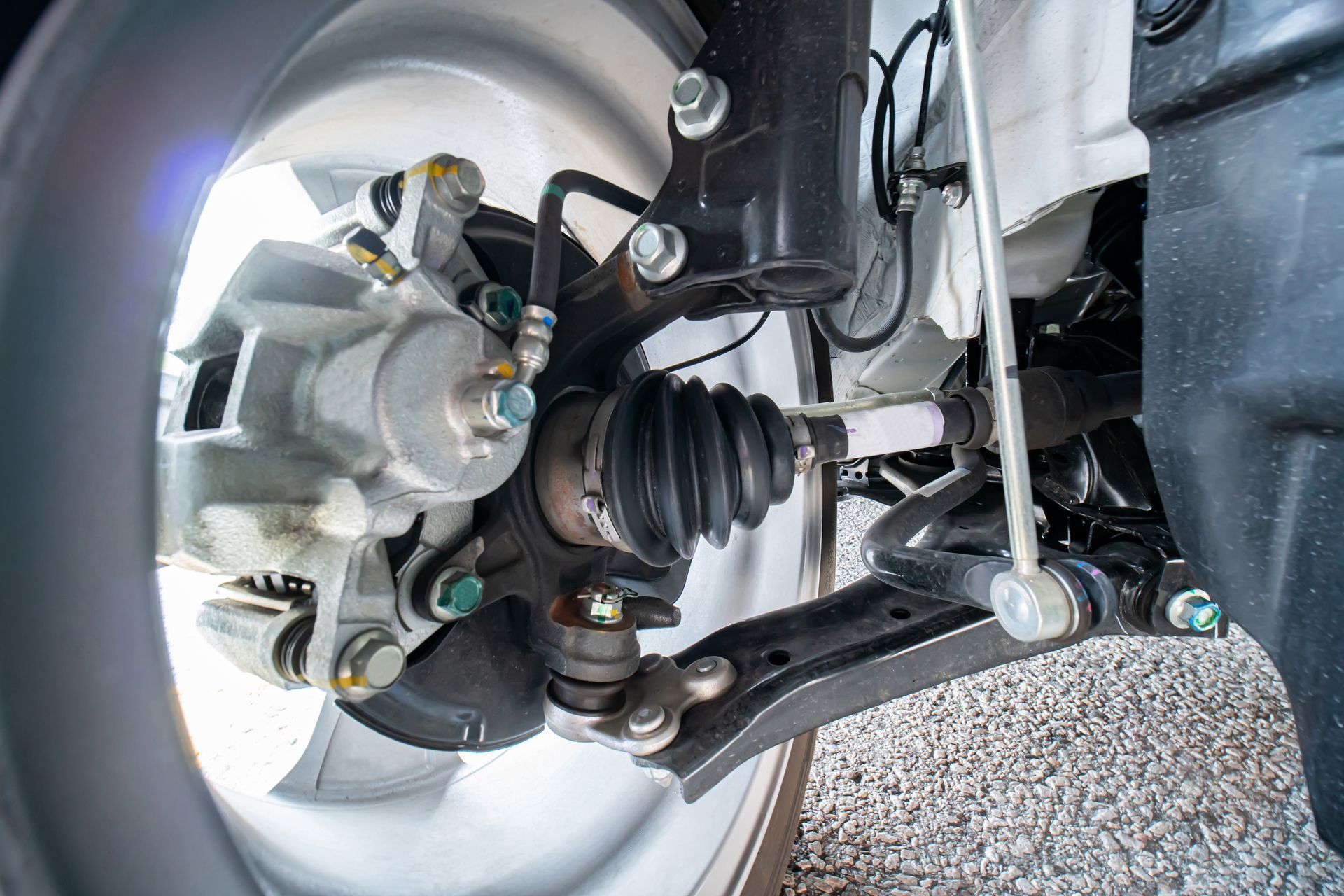
The brake system is one of the most critical safety components inspected. Technicians check brake pads, rotors, drums, hydraulic systems, brake hoses, parking brakes, and warning indicators. Any excessive wear, leaks, or reduced stopping capability can result in a failed inspection.
Steering and Suspension
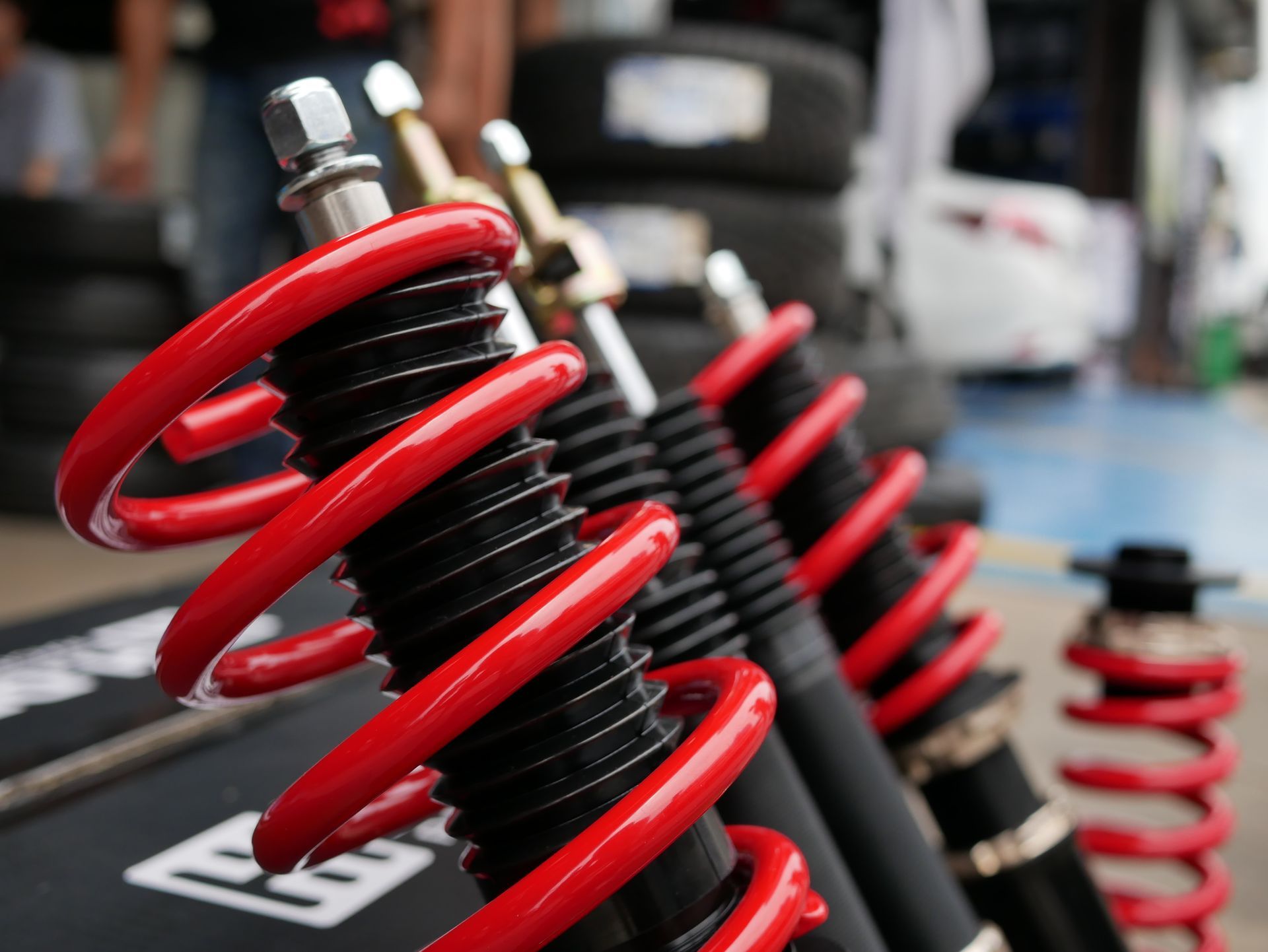
Inspectors examine steering components and suspension parts for wear or damage. This includes ball joints, tie rods, shocks, struts, wheel bearings, and related hardware. A damaged suspension system can negatively affect vehicle stability and control.
Tires and Wheels
Tires must meet minimum tread depth requirements and show no signs of severe damage, exposed cords, or unsafe wear patterns. Wheels are also checked for cracks or structural issues.
Lights and Electrical Components
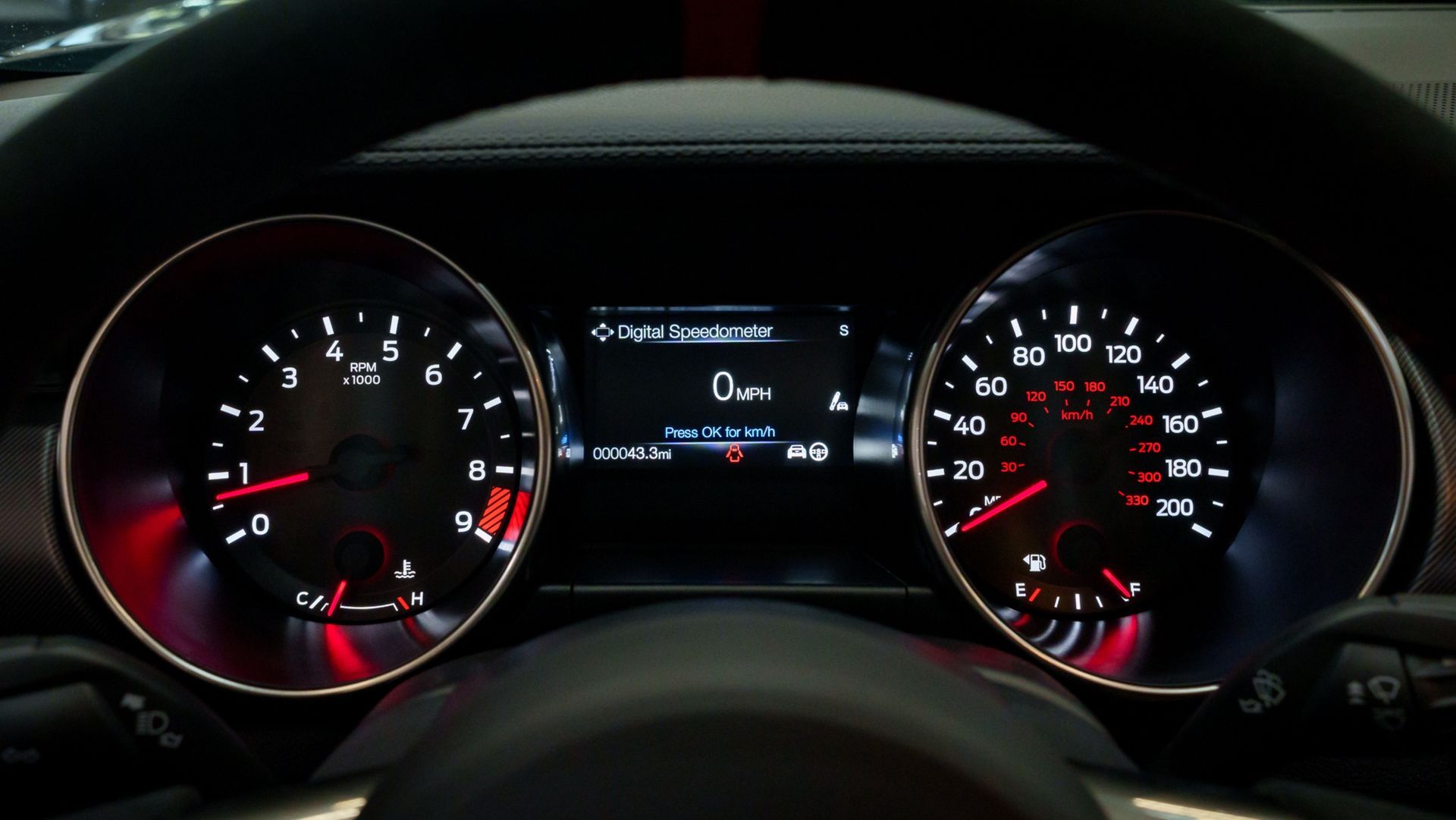
Headlights, brake lights, turn signals, hazard lights, reverse lights, and other required lighting systems must operate properly. Inspectors also verify that warning lights and safety-related electrical systems function correctly.
Exhaust System
The exhaust system is inspected for leaks, excessive noise, damaged components, and unsafe emissions-related conditions. While Maryland’s safety inspection is separate from emissions testing, the exhaust system still plays a role in overall vehicle safety.
Windshield, Wipers, and Glass
Visibility matters during inspections. Windshields cannot have certain types of cracks or damage that obstruct the driver’s view. Wiper blades and washers must also work properly.
Seat Belts and Safety Equipment
Seat belts, mirrors, horn operation, and other safety-related features are checked to ensure the vehicle can be operated safely.
Frame and Structural Integrity
Inspectors look for severe rust, corrosion, or structural damage that could compromise the safety of the vehicle.
Who Needs a Maryland State Vehicle Inspection?
Not every Maryland driver needs an inspection every year, but several situations require one. You will likely need a Maryland State Vehicle Inspection if:
- You recently purchased a used vehicle
- You moved to Maryland and need to register your vehicle
- You are transferring ownership of a vehicle
- Your vehicle was previously salvaged or rebuilt
- You are registering certain commercial vehicles
Even if your vehicle appears to drive normally, hidden safety problems could still prevent it from passing inspection. Scheduling a pre-inspection evaluation with a trusted repair shop can help identify potential issues early.
Common Reasons Vehicles Fail Inspection
Many failed inspections involve issues drivers did not realize existed. Some of the most common reasons vehicles fail Maryland inspections include:
- Worn brake pads or damaged rotors
- Tire tread below minimum requirements
- Suspension or steering wear
- Broken or non-working lights
- Windshield cracks in critical viewing areas
- Exhaust leaks
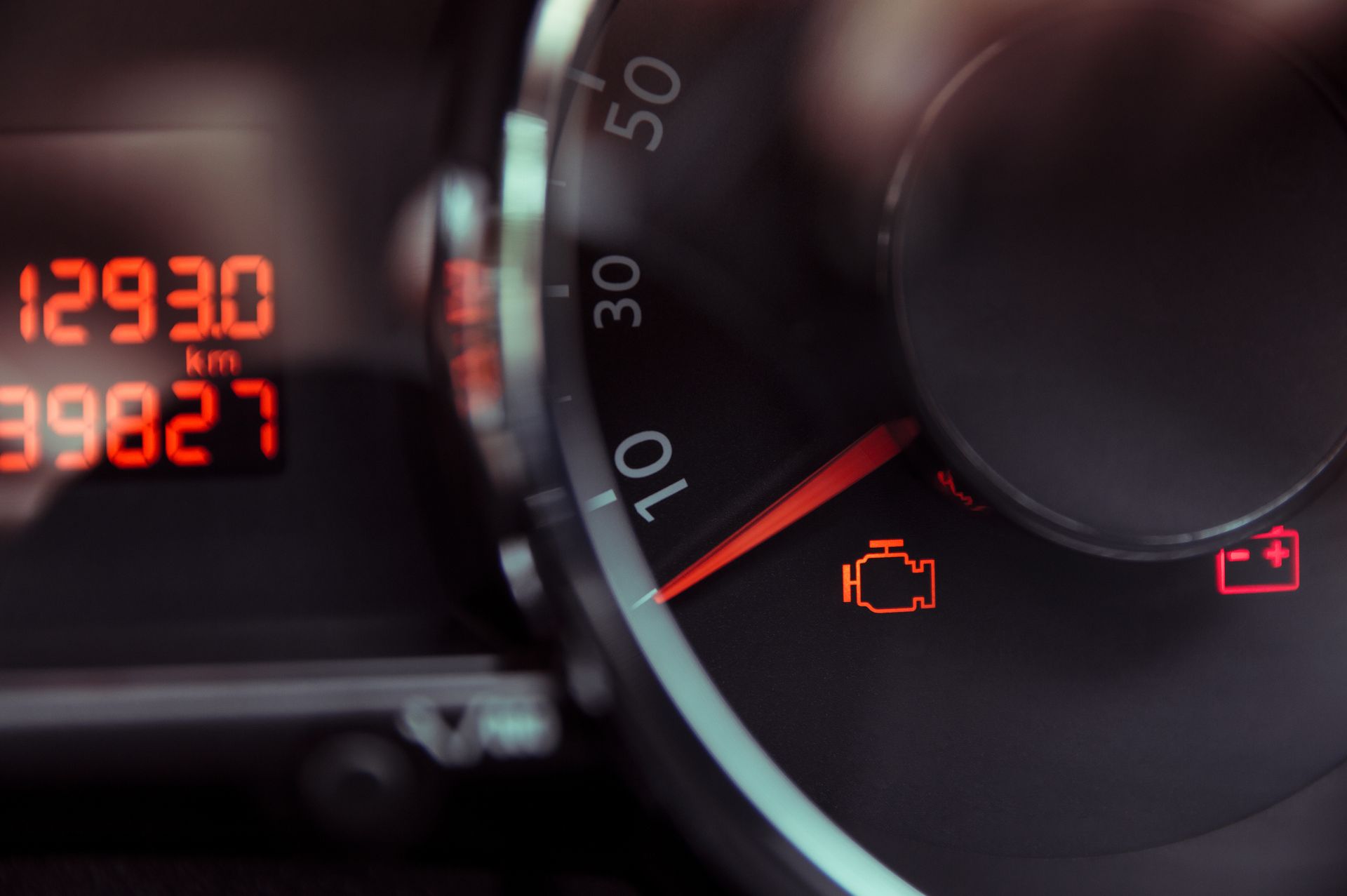
- Check engine or ABS warning issues
- Rusted structural components
Keeping up with regular maintenance greatly improves your chances of passing inspection the first time.
How to Choose the Best Shop for a Maryland State Inspection
Not every repair shop performs inspections the same way. Choosing the right inspection facility can make the experience smoother, more transparent, and less stressful.
Here are a few things to look for when selecting a Maryland inspection shop:
- Certified Maryland Inspection Station
- Experienced Technicians
- Honest Recommendations
- Quality Reputation
- Convenience and Customer Service
Look for a shop that offers flexible scheduling, clear communication, and an easy appointment process. Online appointment scheduling can save time and simplify the inspection experience.
Trust AMJ Auto Repair for Maryland Vehicle Inspections
Understanding Maryland car inspection requirements can help you feel more prepared and confident before your appointment. From brakes and suspension to lights and safety systems, Maryland inspections play an important role in keeping vehicles safe on the road.
At AMJ Auto Repair, drivers receive professional Maryland State Vehicle Inspections performed by experienced technicians who prioritize safety, honesty, and quality service. If your vehicle is due for inspection or you want to prepare your car before registration, contact the team today.
Call us in Stevensville,
Grasonville or
book an online appointment to schedule your Maryland State Vehicle Inspection with confidence.