Why Does My Car Wobble at High Speed?
If your car wobbles at high speed, it’s not something you should ignore. Even a slight vibration in the steering wheel or a shaking sensation through the vehicle can point to underlying problems that may worsen over time. In many cases, the issue starts small, like uneven tire wear or a minor wheel imbalance, but can eventually affect your vehicle’s handling, safety, and overall driving comfort.
Drivers often notice these symptoms when traveling on the highway or accelerating past certain speeds. The wobble may come and go, feel stronger during turns, or become more noticeable when braking. Understanding the common causes behind a car wobbling at high speed can help you identify when it’s time to schedule a professional inspection.
Top 6 Most Common Causes of Car Wobbles
Tire Imbalance
One of the leading reasons a car wobbles at high speed is unbalanced tires. Tires and wheels are supposed to rotate evenly, but over time, small weight differences can develop. When this happens, the tires no longer spin smoothly, causing vibrations that become more noticeable at higher speeds.
You may feel this wobble through the steering wheel, floorboard, or seats depending on which tires are affected. In many cases, the vibration starts around 50 to 60 mph and becomes more severe as speed increases.
Tire balancing is a relatively simple service, but ignoring the problem can lead to accelerated tire wear, suspension strain, and reduced ride comfort. Regular balancing helps extend tire life and keeps your vehicle driving smoothly.
Improper Wheel Alignment
Improper wheel alignment is another major reason vehicles wobble or shake on the road. Your alignment affects how your tires contact the pavement and how straight your vehicle tracks while driving. If the angles are off, your car may pull to one side, feel unstable, or develop uneven tire wear patterns.
Alignment issues commonly happen after hitting potholes, curbs, or road debris. Even normal wear over time can gradually throw the alignment out of specification.
Some warning signs of alignment problems include:
- Uneven tire wear
- Crooked steering wheel
- Vehicle pulling left or right
- Loose or wandering steering feel
- Increased vibration at highway speeds
When alignment problems are left unresolved, they can shorten tire lifespan and place extra stress on steering and suspension components.
Uneven or Damaged Tires
Tires play a critical role in vehicle stability. If a tire develops uneven tread wear, internal damage, or low tread depth, it can cause shaking and wobbling while driving.
Common tire-related causes include:
- Cupped or scalloped tread wear
- Flat spots from hard braking
- Tire separation
- Incorrect tire pressure
- Old or dry-rotted tires
Sometimes tire damage is not immediately visible from the outside. Internal belt separation, for example, can cause the tire to deform slightly as it rotates, creating a noticeable wobble at higher speeds.
Routine tire inspections and rotations help catch these issues early before they become more dangerous.
Bent Rims or Wheel Damage
Hitting potholes, curbs, or road hazards can bend a wheel rim without causing an immediate flat tire. Even minor wheel damage can create vibration problems that worsen as vehicle speed increases.
Bent rims prevent the tire from rotating evenly and may also cause slow air leaks. In some cases, the wobble may feel intermittent depending on road conditions or vehicle load.
Signs of bent wheel damage may include:
- Steering wheel vibration
- Shaking at highway speeds
- Uneven tire wear
- Loss of tire pressure
- Visible wheel dents or bends
A professional inspection can determine whether the wheel can be repaired or if replacement is necessary.
Suspension System Problems
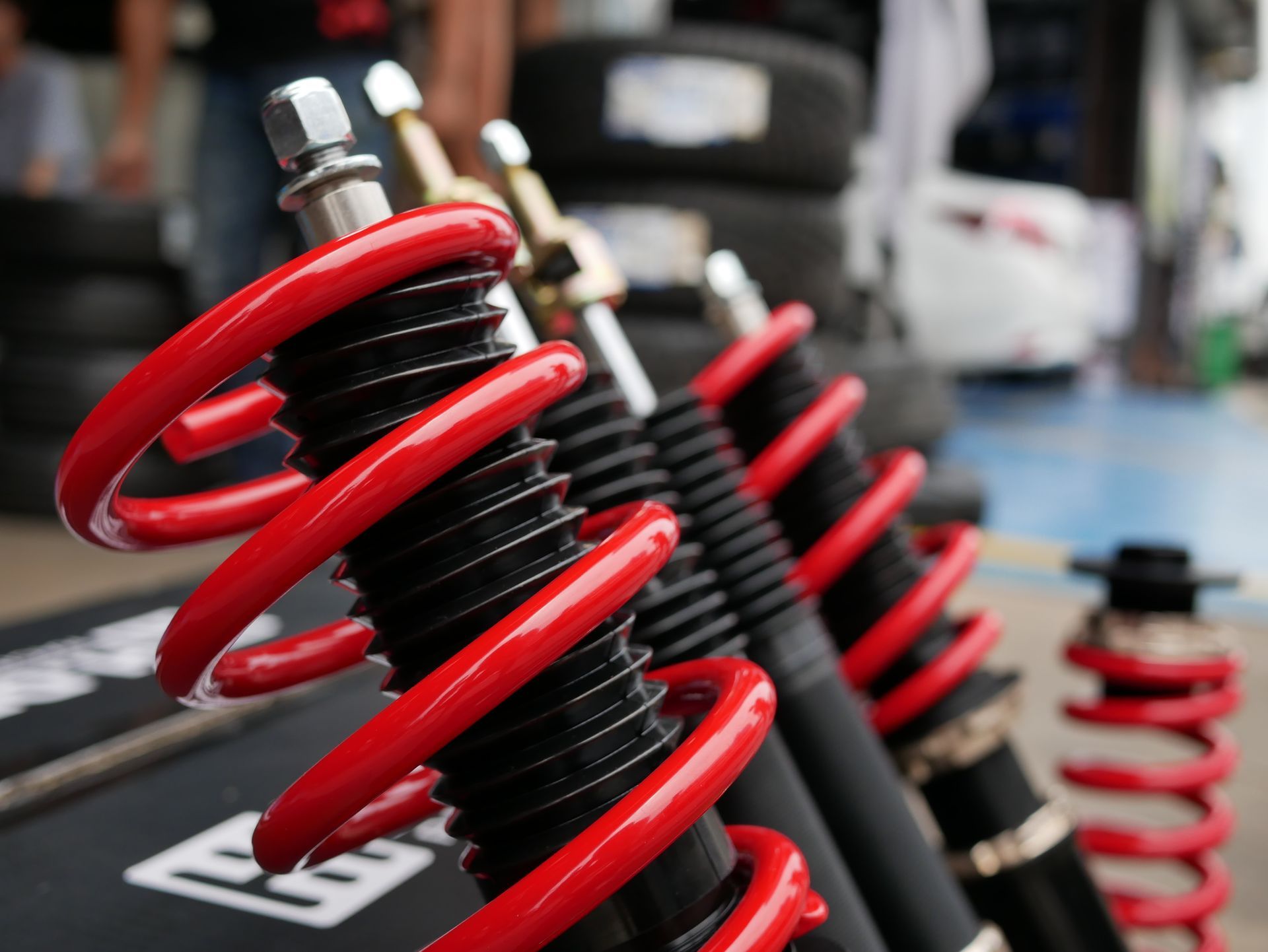
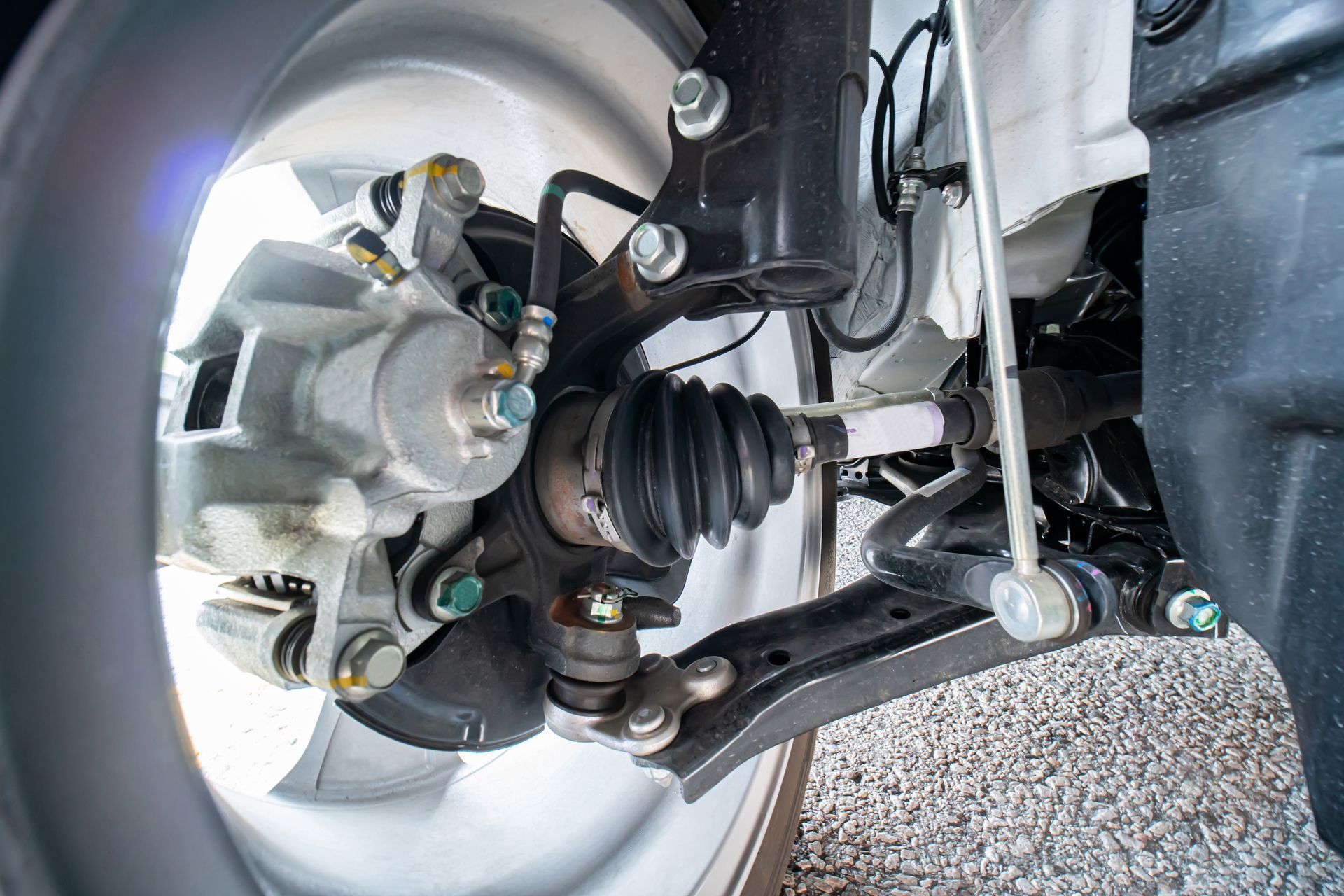
Your suspension system is designed to absorb bumps and keep the tires firmly connected to the road. Worn suspension components can allow excessive movement, leading to instability and shaking at higher speeds.
Common suspension-related causes include:
- Worn shocks or struts
- Loose ball joints
- Damaged control arms
- Worn tie rods
- Failing wheel bearings
These components naturally wear down over time, especially on vehicles driven frequently on rough roads or highways. If your vehicle feels bouncy, unstable, or produces clunking noises along with wobbling, suspension wear could be contributing to the issue.
Because suspension problems can impact steering control and braking performance, they should be inspected promptly.
Damaged Brake Components
Although brake-related wobbling is often most noticeable during braking, damaged brake components can sometimes create vibrations even at higher speeds.
Warped brake rotors are a common culprit. When rotors become uneven due to heat or wear, the brake pads cannot make smooth contact with the rotor surface. This may create shaking through the steering wheel or pedal when slowing down.
If your vehicle only vibrates while braking, brake system inspection is especially important.
Why You Shouldn’t Ignore High-Speed Wobbling
Many drivers delay repairs because the wobble seems minor at first. Unfortunately, vibration problems rarely improve on their own. What starts as a simple tire balance issue can eventually lead to premature tire replacement, steering damage, or suspension wear.
Driving with an unstable vehicle also affects safety. A wobbling car may have reduced traction, slower steering response, and longer stopping distances. In severe cases, damaged tires or suspension components can fail unexpectedly.
Addressing the problem early often helps reduce repair costs and prevents additional damage from developing.
When to Schedule a Professional Inspection
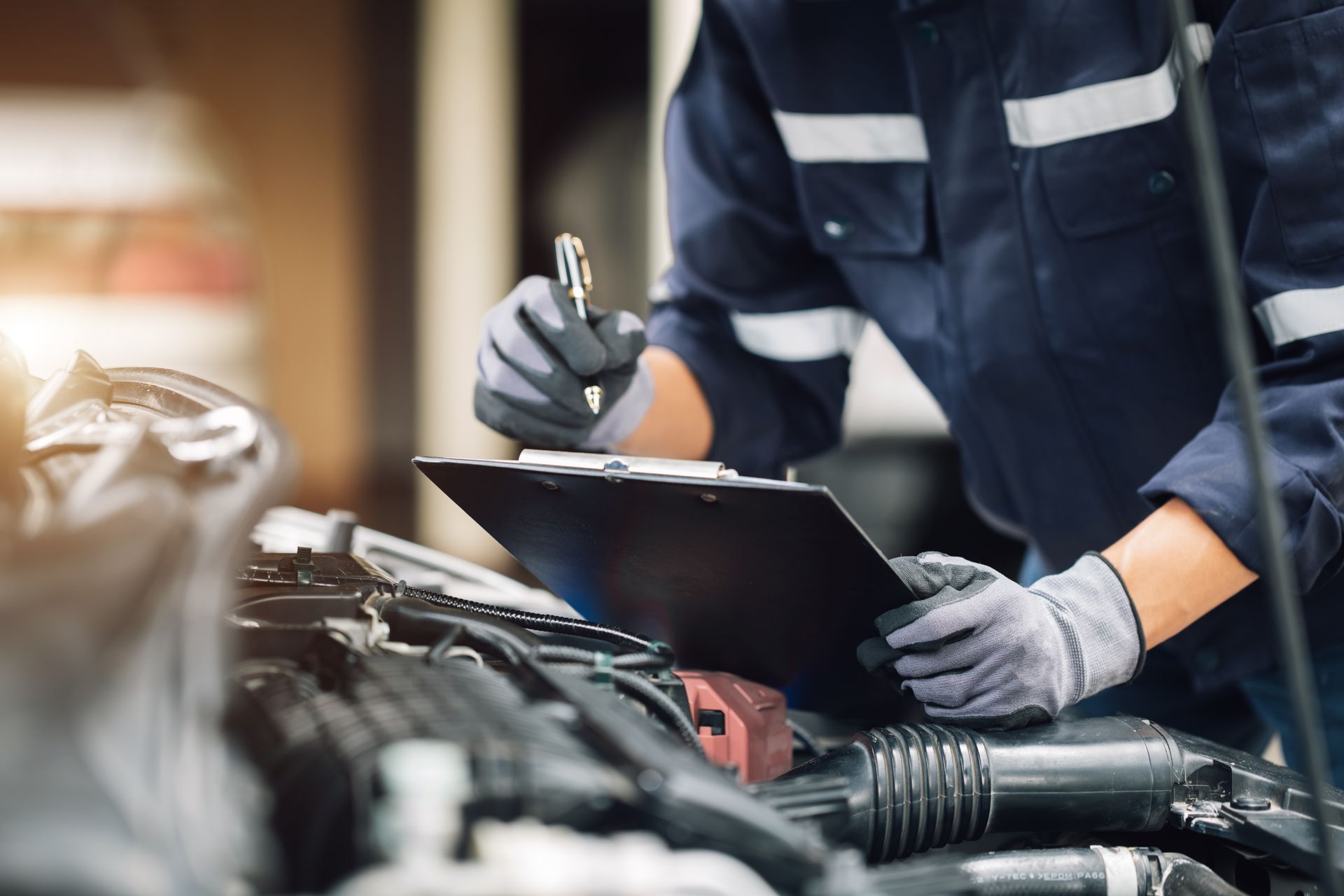
If your car wobbles at high speed consistently, it’s best to have the vehicle inspected by a qualified technician. Professional diagnostics can identify whether the issue is related to tires, wheels, alignment, suspension, brakes, or multiple systems working together.
A thorough inspection may include:
- Tire condition and pressure check
- Wheel balance testing
- Alignment measurements
- Suspension and steering inspection
- Brake system evaluation
- Wheel and rim inspection
Because several issues can create similar symptoms, accurate diagnosis is the key to fixing the problem properly.
Trust Us for Accurate Diagnostics and Repairs Near You
If your car wobbles at high speed, the experienced team at AMJ Auto Repair can help identify the cause and restore safe, smooth driving performance. From wheel alignments and tire inspections to suspension and brake repairs, our technicians provide thorough diagnostics and dependable automotive service.
Don’t wait for vibrations to become a larger safety issue.
Call AMJ Auto Repair in Stevensville or our
Grasonville location, or you can also
book an online appointment to have your vehicle professionally inspected and repaired.