What Regular Maintenance Does a Car Need? A Guide to Keeping Your Vehicle Reliable
Every vehicle owner wants their car to last longer, perform better, and avoid unexpected breakdowns. One of the most common questions drivers ask is: “What regular maintenance does a car need?” The answer depends on your vehicle, driving habits, and how well you stay on top of routine service intervals. Whether you drive daily through heavy traffic, take frequent road trips, or mostly stick to short commutes, regular maintenance is essential for keeping your vehicle dependable and preventing expensive repairs down the road.
At AMJ Auto Repair, drivers understand the value of proactive maintenance. Staying ahead of wear and tear helps improve fuel efficiency, extend engine life, and maintain your vehicle’s overall safety and performance.
Why Regular Vehicle Maintenance Matters
Your car is made up of thousands of moving parts working together every time you drive. Over time, fluids break down, filters clog, belts wear out, and components naturally deteriorate. Ignoring routine car maintenance can cause minor issues to turn into major repairs that cost significantly more to fix.
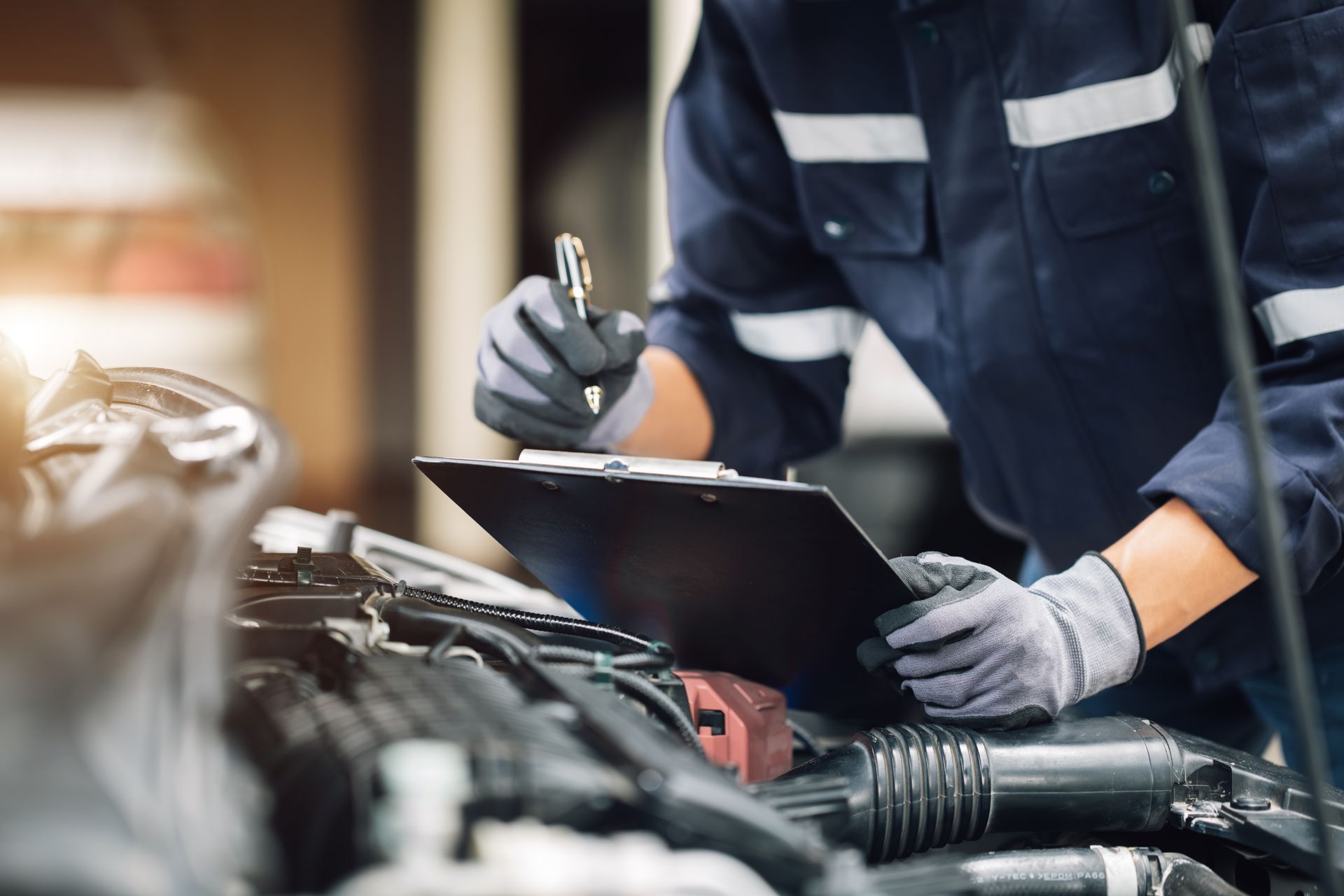
Regular inspections and maintenance services help technicians catch problems early before they become serious. They also ensure critical systems like brakes, tires, steering, and the engine continue operating properly.
Routine maintenance can help:
- Improve fuel economy
- Reduce the risk of breakdowns
- Extend vehicle lifespan
- Maintain resale value
- Improve driving safety
- Prevent expensive repairs
How Often Should You Service Your Vehicle?
There is no one-size-fits-all answer because every vehicle has different maintenance requirements. However, most manufacturers recommend servicing your car every 5,000 to 7,500 miles for basic maintenance, depending on driving conditions and oil type.
Your owner’s manual is the best place to find your manufacturer’s maintenance schedule. It outlines when specific services should be performed based on mileage intervals.
Many vehicles also include maintenance reminder systems that alert you when service is due. Even with these systems, regular inspections remain important because some issues may develop before the warning light appears.
How Many Miles Can You Go Over an Oil Change?
This is one of the most frequently asked maintenance questions. While modern synthetic oils last longer than conventional oils, going too far past your recommended oil change interval can still cause problems.
In general, exceeding your oil change interval by a few hundred miles is unlikely to cause immediate damage. However, consistently delaying oil changes can lead to:
- Sludge buildup
- Increased engine wear
- Reduced fuel efficiency
- Overheating
- Premature engine failure
Some drivers assume they can stretch oil changes indefinitely because newer oils are more durable. While synthetic oil can often last 7,500 to 10,000 miles in certain vehicles, that does not apply to every driving situation.
Severe driving conditions may require more frequent oil changes, including:
- Stop-and-go traffic
- Frequent short trips
- Towing or hauling
- Extreme temperatures
- Dusty environments
- Mountain driving
If you are unsure how long your oil can safely last, it is best to follow your manufacturer’s recommendation or speak with a trusted automotive professional.
Essential Regular Maintenance Services Every Car Needs
Understanding what regular maintenance a car needs can help you stay ahead of repairs and avoid unnecessary stress. Here are some of the most important maintenance services your vehicle requires.
Oil Changes
Oil lubricates your engine’s internal components and reduces friction. Without clean oil, engine parts wear down much faster. Oil changes are typically the most common and important maintenance service.
Tire Maintenance
Your tires affect handling, braking, fuel efficiency, and safety. Tire services include:
- Tire rotations
- Wheel balancing
- Tire pressure checks
- Alignment inspections
- Tread inspections
Rotating your tires regularly helps them wear evenly and last longer.
Brake Inspections
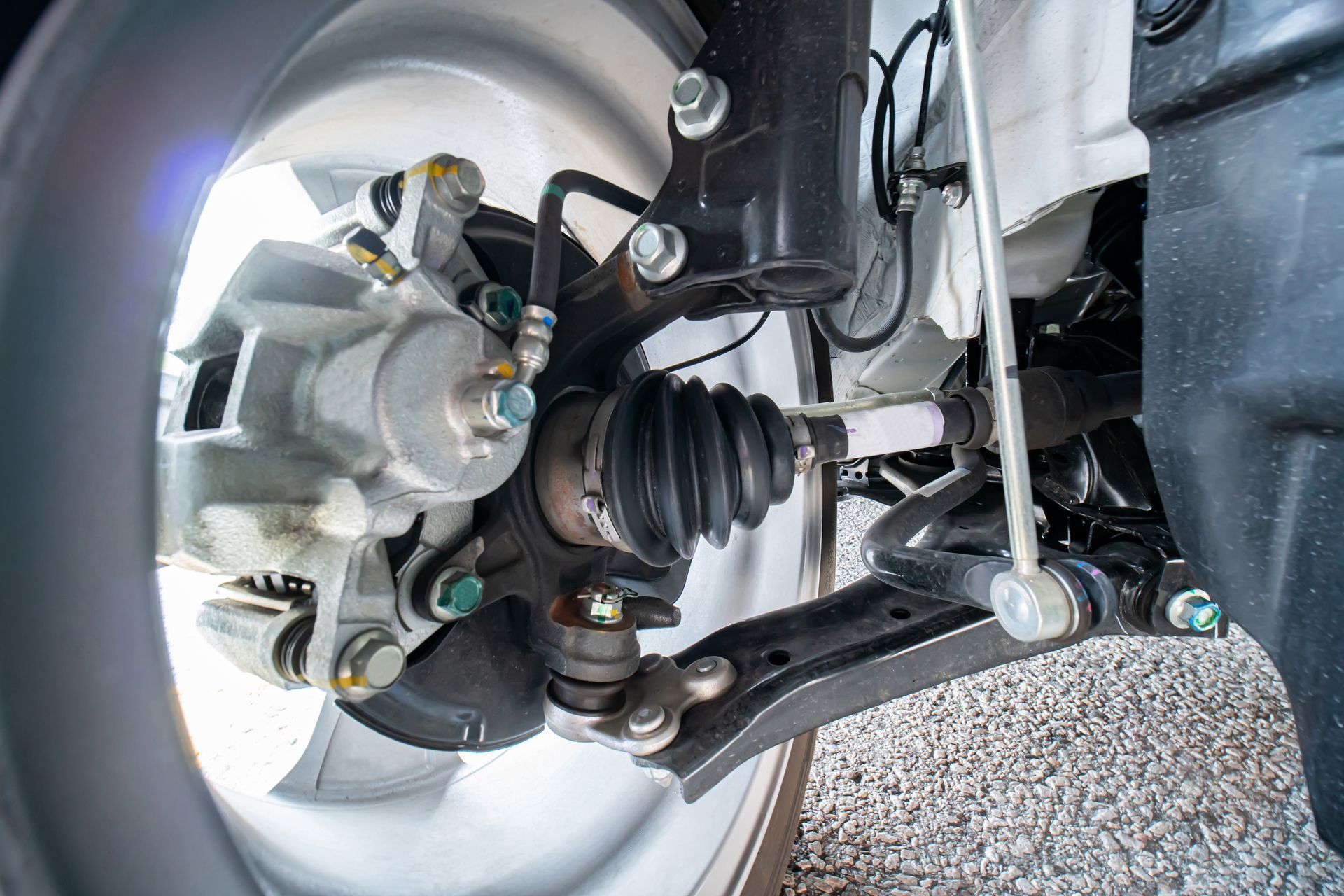
Brake components wear gradually over time. Routine brake inspections help identify worn pads, damaged rotors, or fluid issues before they compromise safety.
Fluid Checks and Flushes
Your vehicle relies on several important fluids, including:
- Transmission fluid
- Coolant
- Brake fluid
- Power steering fluid
- Differential fluid
Old or contaminated fluids can reduce performance and damage components if left unchanged for too long.
Battery Testing
A weak battery can leave you stranded unexpectedly. Routine battery testing helps identify issues before complete battery failure occurs.
Air Filter Replacement
Your engine air filter and cabin air filter both play important roles. Clean filters improve airflow, fuel efficiency, and interior air quality.
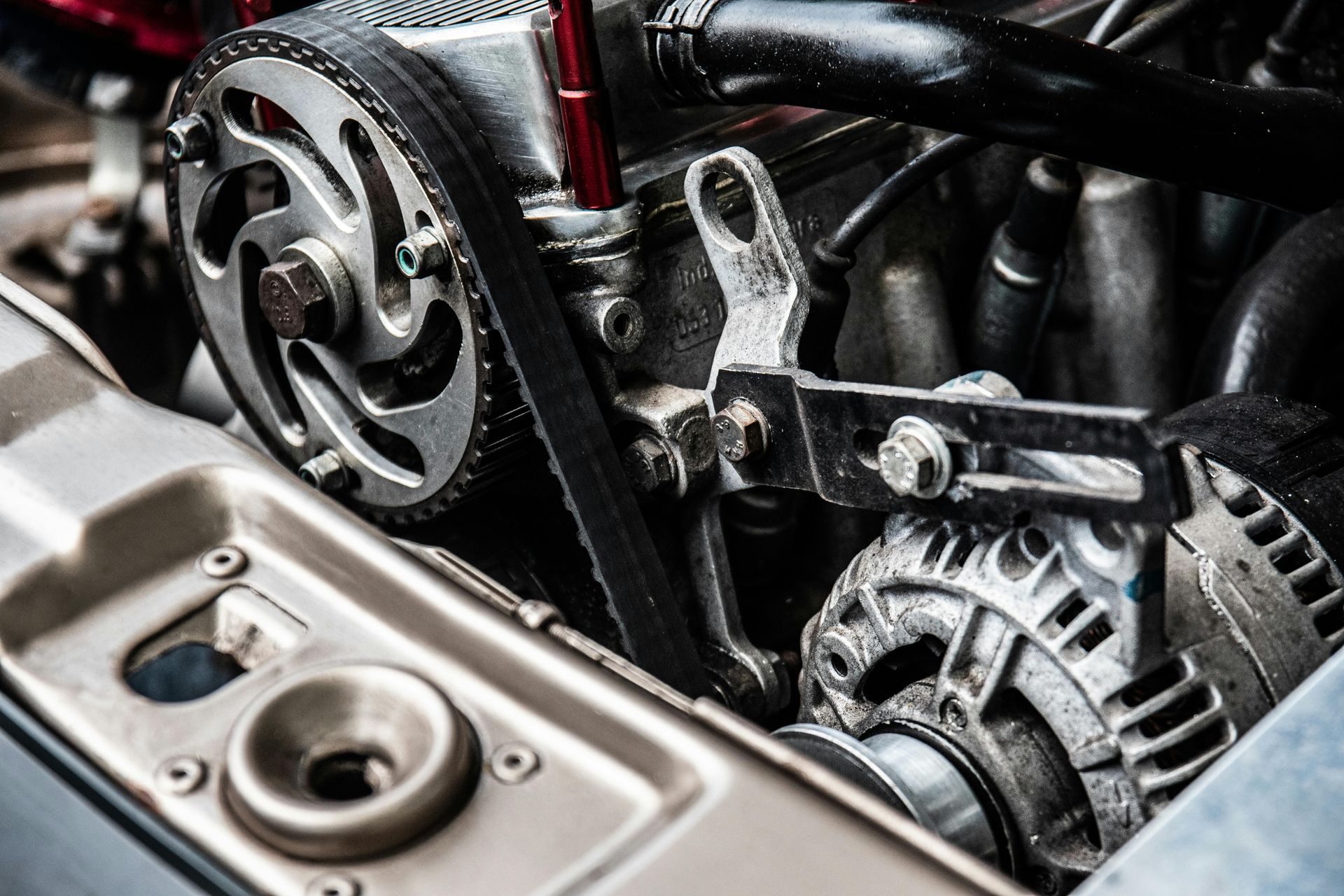
Belt and Hose Inspections
Belts and hoses naturally deteriorate with age and heat exposure. Replacing them before failure can help prevent overheating or engine damage.
Mileage-Based Maintenance Intervals
While every vehicle differs slightly, here are some general maintenance milestones drivers should be aware of:
Every 5,000 to 7,500 Miles
- Oil and filter change
- Tire rotation
- Brake inspection
- Fluid level inspection
Every 15,000 to 30,000 Miles
- Air filter replacement
- Cabin filter replacement
- Battery inspection
- Wheel alignment inspection
Every 30,000 to 60,000 Miles
- Transmission service
- Coolant flush
- Brake fluid replacement
- Spark plug inspection
Every 60,000 to 100,000 Miles
- Timing belt replacement (if applicable)
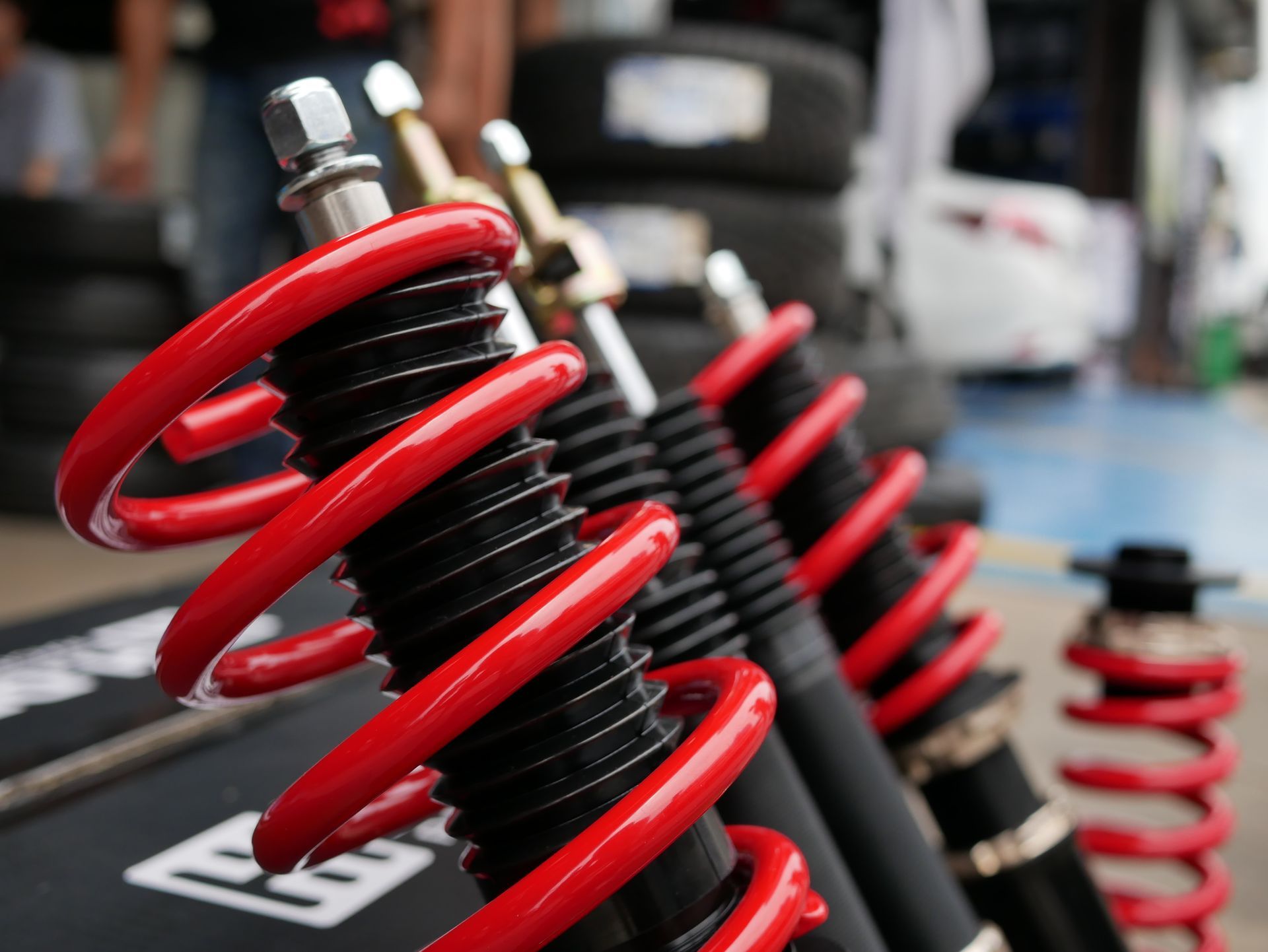
- Suspension inspection
- Major system inspections
Staying on schedule helps reduce long-term repair costs and keeps your vehicle performing its best.
Warning Signs Your Car May Need Service Sooner
Even if you have not reached your next maintenance interval, your vehicle may show signs that service is needed. Watch for:
- Unusual noises
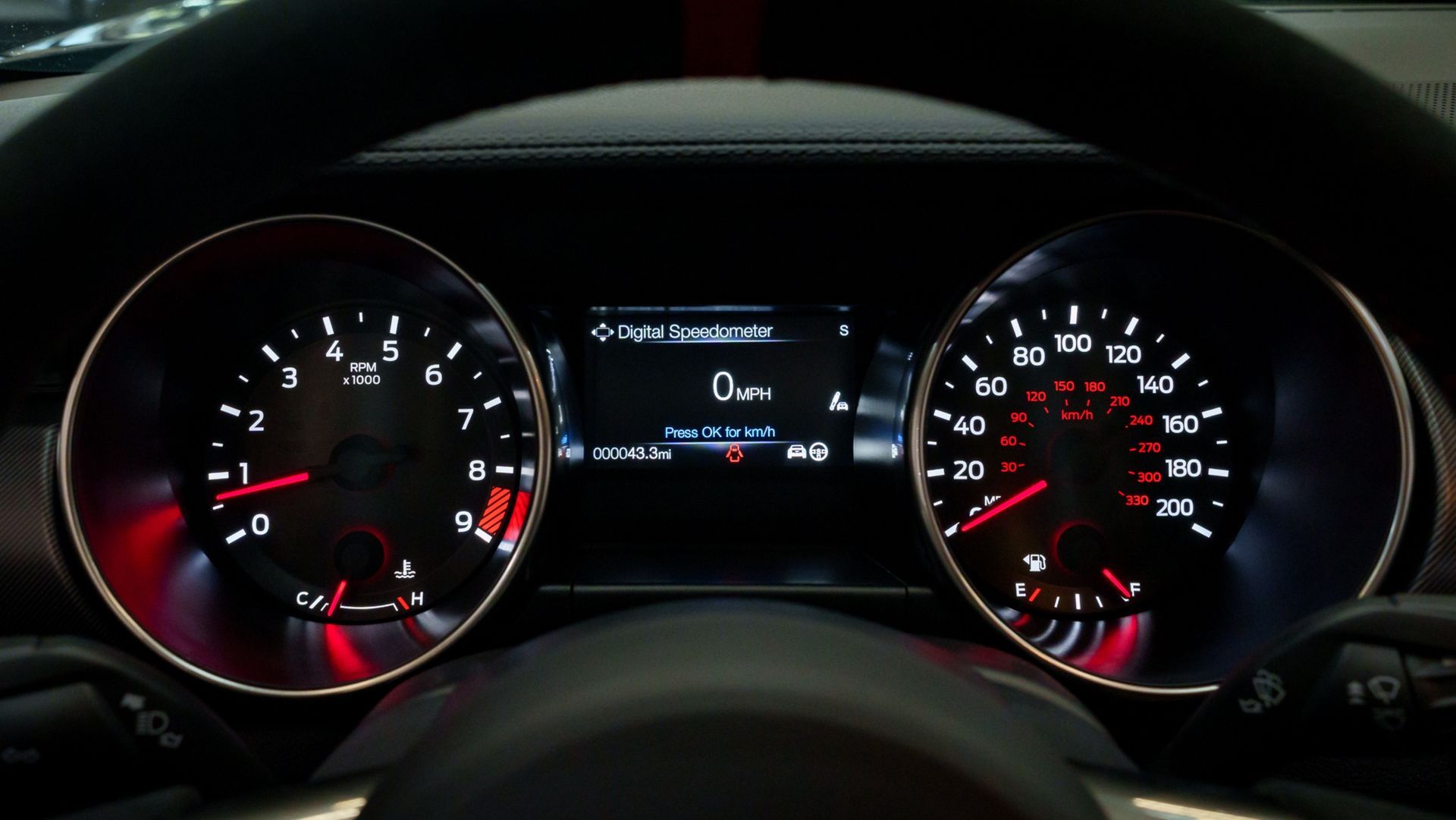
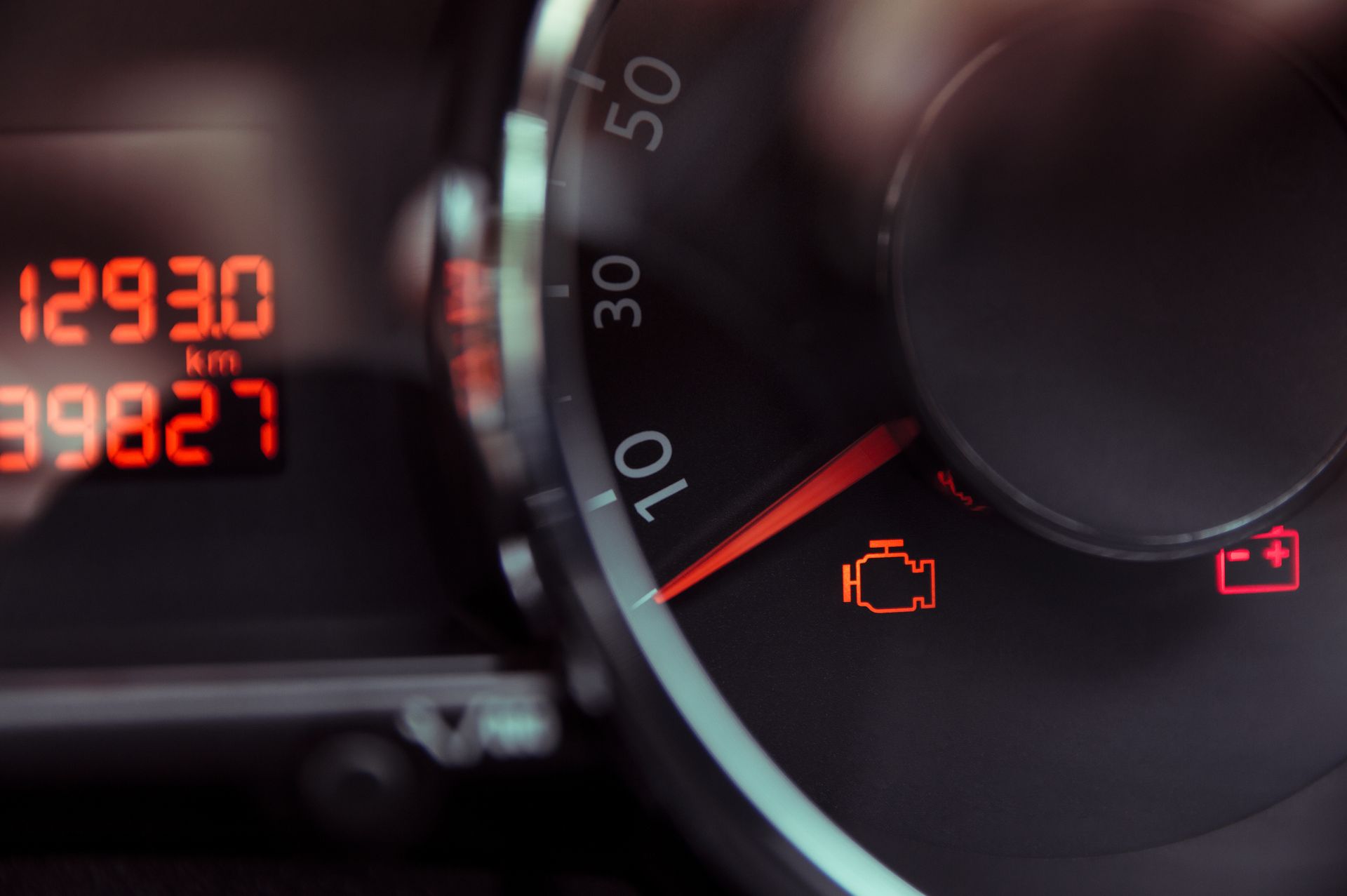
- Dashboard warning lights
- Vibrations while driving
- Poor fuel economy
- Slow starting
- Burning smells
- Fluid leaks
- Reduced braking performance
Addressing these warning signs early can help prevent more severe mechanical problems.
Keep Your Vehicle Reliable With Preventative Maintenance
Understanding what routine maintenance a car needs is one of the best ways to protect your investment and avoid unexpected breakdowns. Routine inspections, timely oil changes, and mileage-based services all play a major role in keeping your vehicle safe, efficient, and dependable.
If your vehicle is due for maintenance or you have questions about oil change intervals, the experienced team at our
auto repair shop is ready to help.
Call our Stevensville location or in
Grasonville today or
book an online appointment to keep your vehicle running at its best.