Why Does My Car Vibrate While Accelerating?
f your car vibrates while accelerating, it’s more than just an annoying driving experience, it’s often a warning sign that something underneath your vehicle needs attention. Whether the vibration is subtle or severe, ignoring it can lead to bigger repair bills, reduced performance, and even safety concerns over time.
Many drivers notice shaking or vibrations when pressing the gas pedal, especially at higher speeds or during harder acceleration. In some cases, the issue may seem minor at first and gradually worsen. The good news is that identifying the cause early can help prevent further damage and restore the smooth ride your vehicle was designed to deliver.
What Causes a Car to Vibrate While Accelerating?
There are several possible reasons why a car vibrates while accelerating. Some problems are relatively simple to fix, while others may require more advanced diagnostics and repairs. Here are some of the most common causes.
Worn or Damaged CV Joints
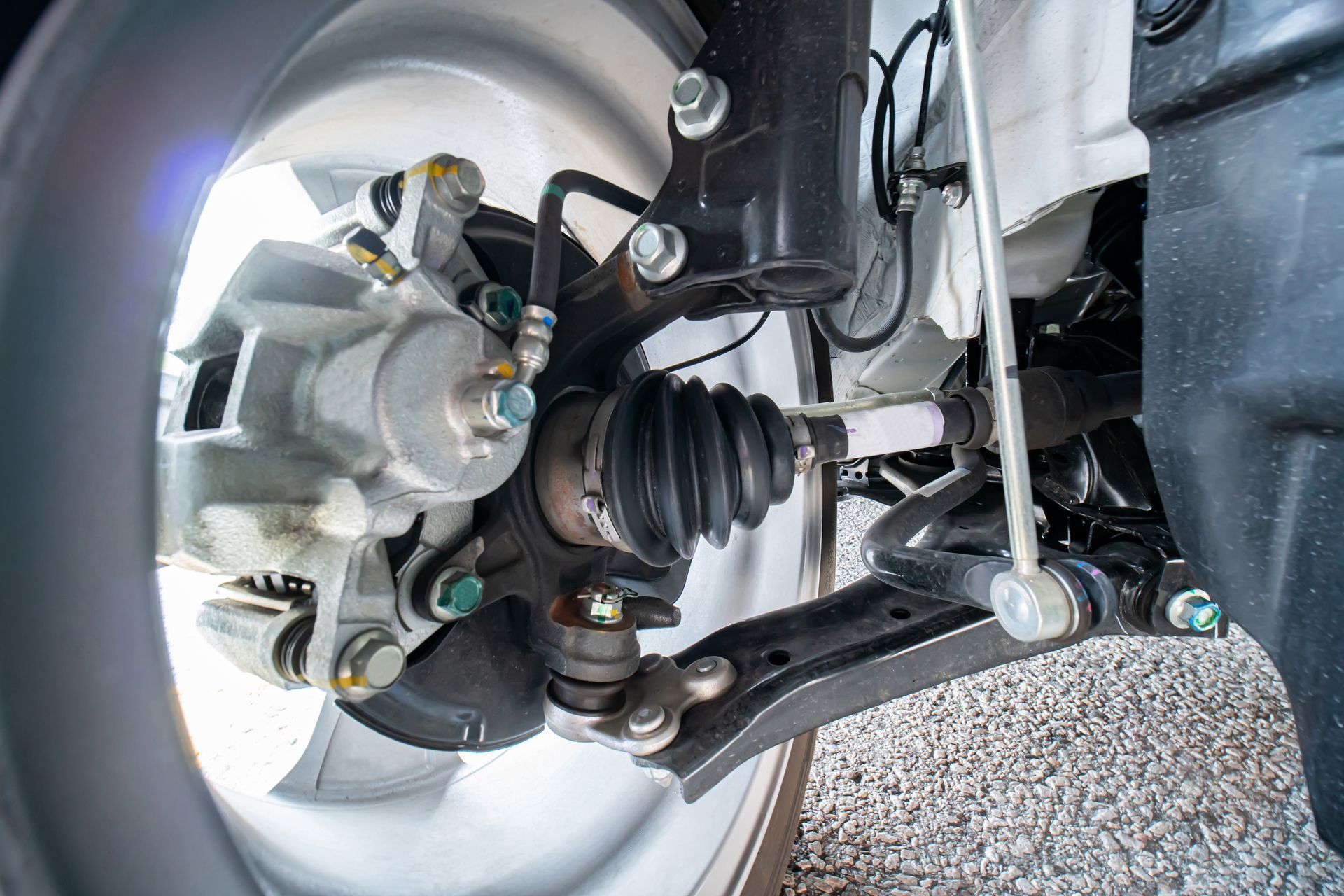
Constant velocity (CV) joints are responsible for transferring power from the transmission to the wheels while allowing suspension movement and steering flexibility. They are commonly found on front-wheel-drive and all-wheel-drive vehicles.
When CV joints begin to wear out, you may notice vibrations during acceleration, especially while turning or driving at higher speeds. Torn CV boots can also allow dirt and debris inside the joint, causing accelerated wear. Replacing worn CV joints early can help prevent more extensive drivetrain damage.
Drivetrain Imbalance
Your drivetrain includes components such as the driveshaft, axles, differential, and transmission. If any of these parts become unbalanced or damaged, vibrations can occur when power is transferred through the system.
A bent driveshaft or worn universal joint (U-joint) is a common culprit, especially in rear-wheel-drive and four-wheel-drive vehicles. Since the driveshaft spins rapidly while accelerating, even a slight imbalance can create noticeable shaking throughout the vehicle.
Drivers often describe drivetrain-related vibrations as:
- A shudder felt through the seat or floorboard
- Vibrations that increase with speed
- Shaking under heavy acceleration
- Intermittent clunking or humming noises
Because drivetrain components work together, proper inspection is essential to pinpoint the exact issue.
Transmission Problems
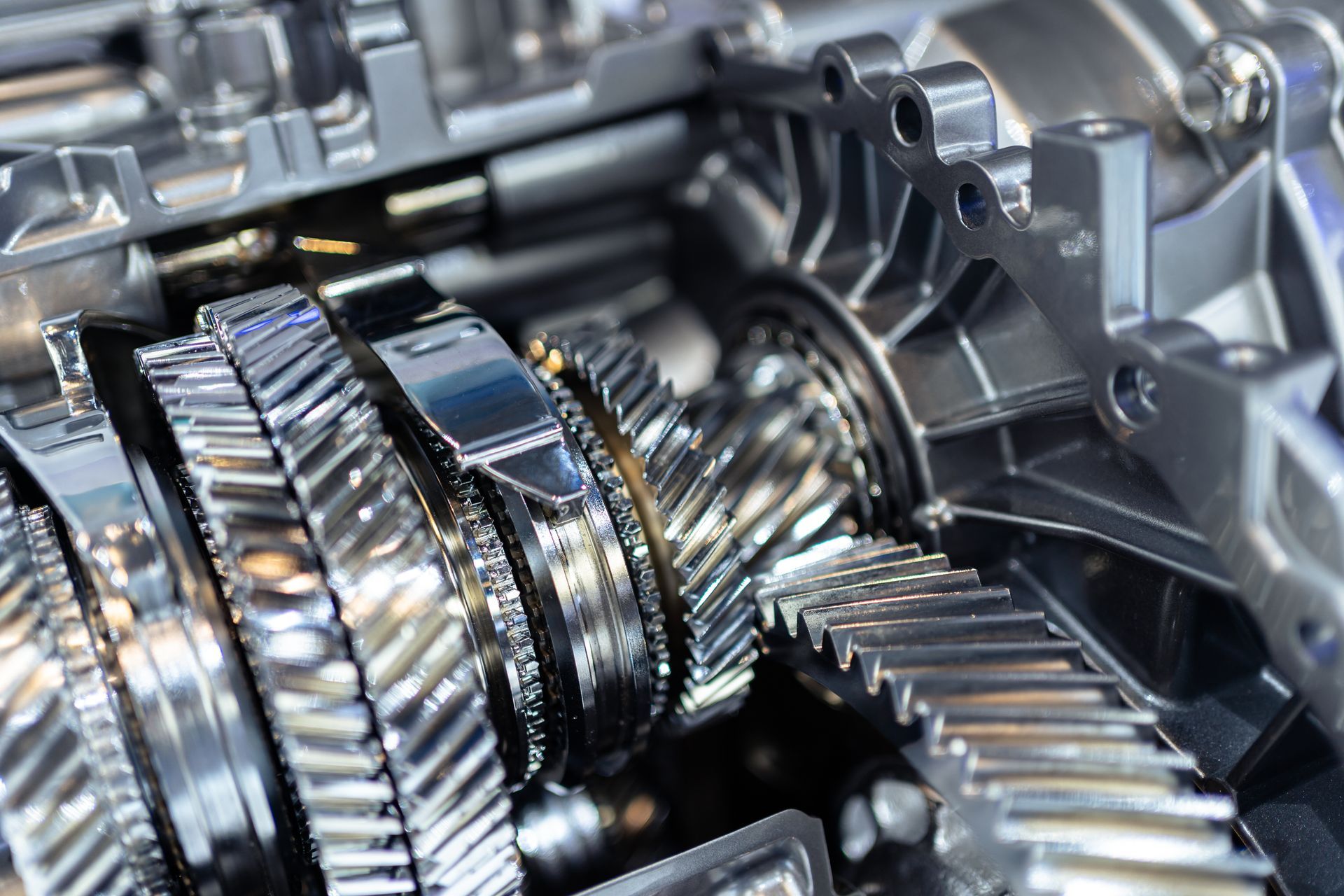
Transmission issues can also cause your car to vibrate while accelerating. Automatic and manual transmissions rely on smooth gear engagement to transfer power effectively. When internal components begin to wear or fluid levels become low, vibrations may develop.
Some transmission-related symptoms include:
- Delayed shifting
- Hard or jerky gear changes
- Slipping gears
- Burning smells
- Vibrations when accelerating
Low or contaminated transmission fluid is sometimes the root cause, but more serious internal wear may also be responsible. Addressing transmission problems early can help avoid costly repairs or complete transmission failure.
Engine Mount Problems
Engine mounts secure the engine to the vehicle’s frame while absorbing vibrations generated during operation. Over time, these mounts can crack, weaken, or collapse due to age and heat exposure.
When engine mounts fail, the engine may shift excessively during acceleration, causing noticeable shaking or vibrations inside the cabin. In severe cases, you may even hear banging or thumping sounds when accelerating or changing gears.
Bad engine mounts can lead to additional stress on surrounding components if left untreated.
Tire and Wheel Issues
Although drivetrain and transmission concerns are common, tire and wheel problems should not be overlooked. Unbalanced tires, uneven tread wear, bent wheels, or damaged suspension components can all contribute to vibrations while accelerating.
In some cases, drivers may only notice the vibration at certain speeds. For example, wheel imbalance often becomes more noticeable around highway speeds.
A professional inspection can determine whether the issue stems from the tires, wheels, suspension, or drivetrain system.
Could the Suspension Be the Problem?
Yes. Suspension problems can sometimes mimic drivetrain vibrations. Worn shocks, struts, bushings, or ball joints may cause instability and shaking during acceleration or while driving over uneven roads.
Suspension issues often develop gradually, making them harder to notice until the ride quality significantly worsens. Because suspension and steering systems work closely together, worn components can affect handling, braking, and tire wear in addition to causing vibrations.
Why You Shouldn’t Ignore Vehicle Vibrations
It can be tempting to put off repairs if the vehicle still seems drivable, but vibrations are rarely something that improves on their own. Small issues can quickly lead to more expensive problems when ignored.
For example:
- A damaged CV joint could eventually fail completely.
- Drivetrain imbalance can place stress on surrounding components.
- Transmission problems may worsen and require major repairs.
- Worn suspension parts can create unsafe driving conditions.
The sooner the issue is diagnosed, the better chance you have of preventing extensive damage and keeping repair costs manageable.
Restore Smooth Performance With Expert Repairs
If your car vibrates while accelerating, don’t wait for the problem to become more severe. Vibrations are often early warning signs that something in your drivetrain, suspension, or transmission system needs attention.
Our car mechanics in Stevensville and Grasonville can diagnose the source of the vibration and recommend the right repair to restore your vehicle’s performance and comfort. Whether you’re dealing with worn CV joints, drivetrain imbalance, transmission concerns, or suspension issues, we’re here to help keep your vehicle running smoothly. Call us today at any of our two locations, or book an online appointment to schedule your inspection.