Why Your Car Squeaks When Accelerating and What It Could Mean
Hearing a squealing or squeaking noise every time you press the gas pedal can be frustrating, and sometimes concerning. If your car squeaks when accelerating, it’s often your vehicle’s way of warning you that a component is worn, loose, or beginning to fail. While some noises may seem minor at first, ignoring them can lead to more expensive repairs and even safety issues down the road.
A high-pitched squeal during acceleration can come from several different systems in your vehicle. From worn serpentine belts and failing pulleys to exhaust leaks and engine accessories, pinpointing the exact source is important before the issue worsens. Understanding what causes these sounds can help you catch small problems early and keep your vehicle running smoothly
Worn or Loose Serpentine Belt
One of the most common reasons a car squeaks when accelerating is a worn serpentine belt. This belt powers several important engine components, including the alternator, power steering pump, air conditioning compressor, and water pump.
Over time, the rubber belt naturally wears down due to heat, age, and constant movement. As the belt loses tension or develops cracks, it may begin slipping across the pulleys during acceleration. That slipping creates the sharp squealing noise many drivers notice when they first press the gas pedal.
In many cases, replacing the belt early is a simple and affordable repair. Waiting too long, however, can allow the belt to snap completely, potentially leaving you stranded.
Faulty Belt Tensioner or Pulley Problems
Sometimes the belt itself isn’t the real problem. The squealing sound may actually come from a failing pulley or belt tensioner.
Your vehicle uses multiple pulleys to guide and maintain tension on the serpentine belt. If one of these pulleys becomes worn, misaligned, or develops a failing bearing, it can create a high-pitched squeak or chirping sound while driving.
Acceleration places additional stress on these components, which is why the noise often becomes louder when you press the gas pedal.
Because pulley bearings can seize unexpectedly, it’s important to have unusual noises inspected before they cause belt failure or damage to other engine components.
Exhaust Leaks Can Create a Squealing Noise
Many drivers are surprised to learn that an exhaust leak can sometimes sound like a squeal or squeak when accelerating.
Small leaks near exhaust manifold gaskets or cracked exhaust pipes can create high-pitched noises as exhaust gases escape under pressure. The sound often becomes more noticeable during acceleration because the engine is producing greater exhaust flow.
Exhaust leaks may also come with additional symptoms such as:
- Ticking noises during cold starts
- Strong exhaust odor
- Reduced fuel efficiency
- Loss of engine performance
- Louder engine noise
Even a minor exhaust leak should be addressed promptly. Beyond the noise itself, leaking exhaust gases can reduce engine efficiency and potentially allow harmful fumes into the cabin.
Worn Brake Components or Wheel Bearings
Although engine-related issues are common, the squealing noise may also come from the wheels or braking system.
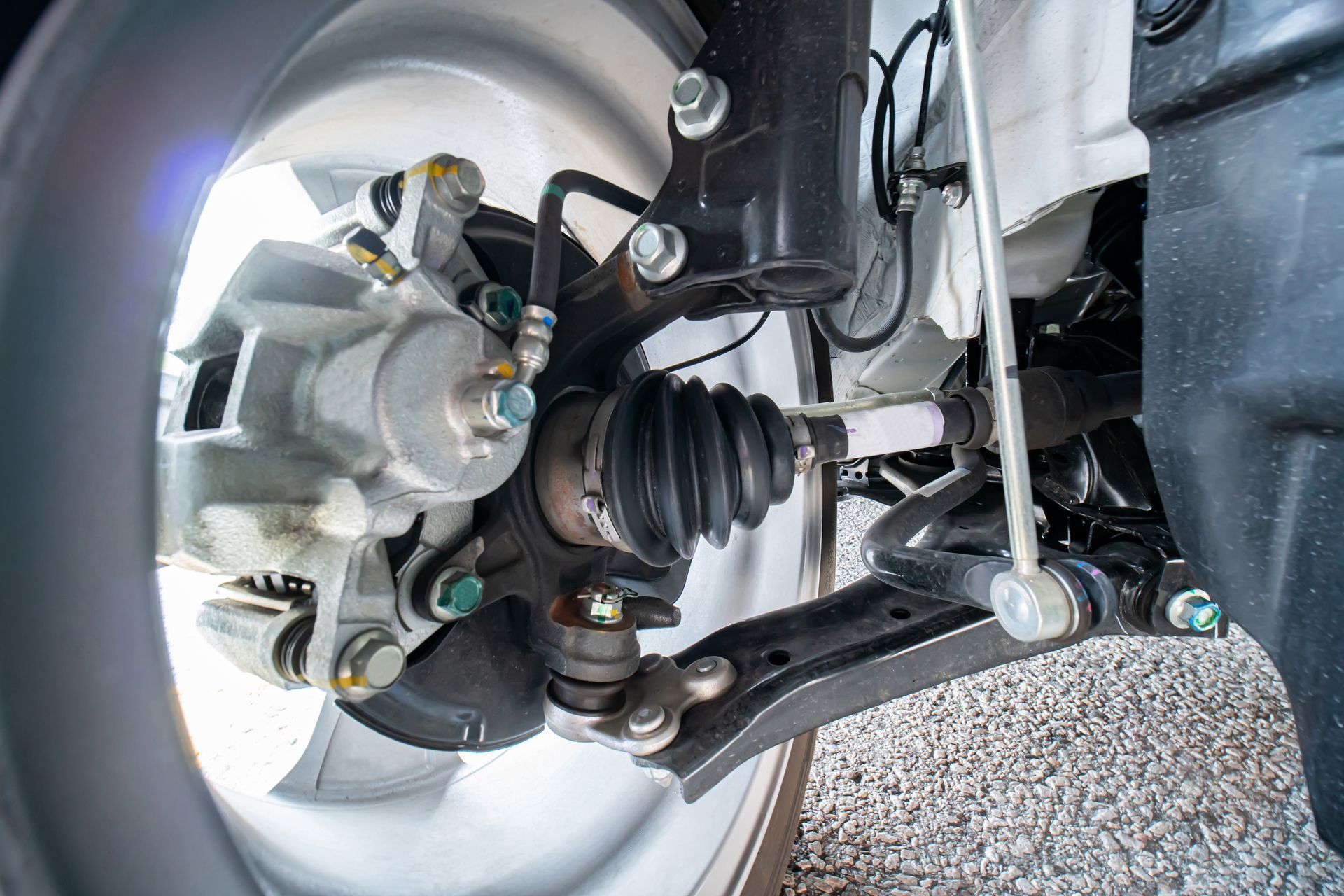
In some situations, worn brake pads can create squeaking sounds that seem to happen during acceleration simply because the vehicle is moving faster. Similarly, damaged wheel bearings may produce squealing, humming, or grinding noises that change with speed.
You may notice these symptoms alongside the noise:
- Vibrations while driving
- Pulling to one side
- Uneven tire wear
- Noise that changes while turning
- Steering instability
Because wheel and brake problems directly affect safety, they should never be ignored.
Why You Shouldn’t Ignore the Noise
A squealing sound might seem like a minor annoyance, but it can quickly turn into a more serious issue if left untreated. What starts as a slipping belt could eventually lead to complete belt failure, overheating, charging system problems, or steering loss.
Similarly, ignoring exhaust leaks or failing pulleys can increase repair costs and place unnecessary stress on surrounding components.
The sooner the problem is identified, the easier, and often less expensive, the repair usually becomes.
Schedule an Inspection for Squealing or Squeaking Sounds
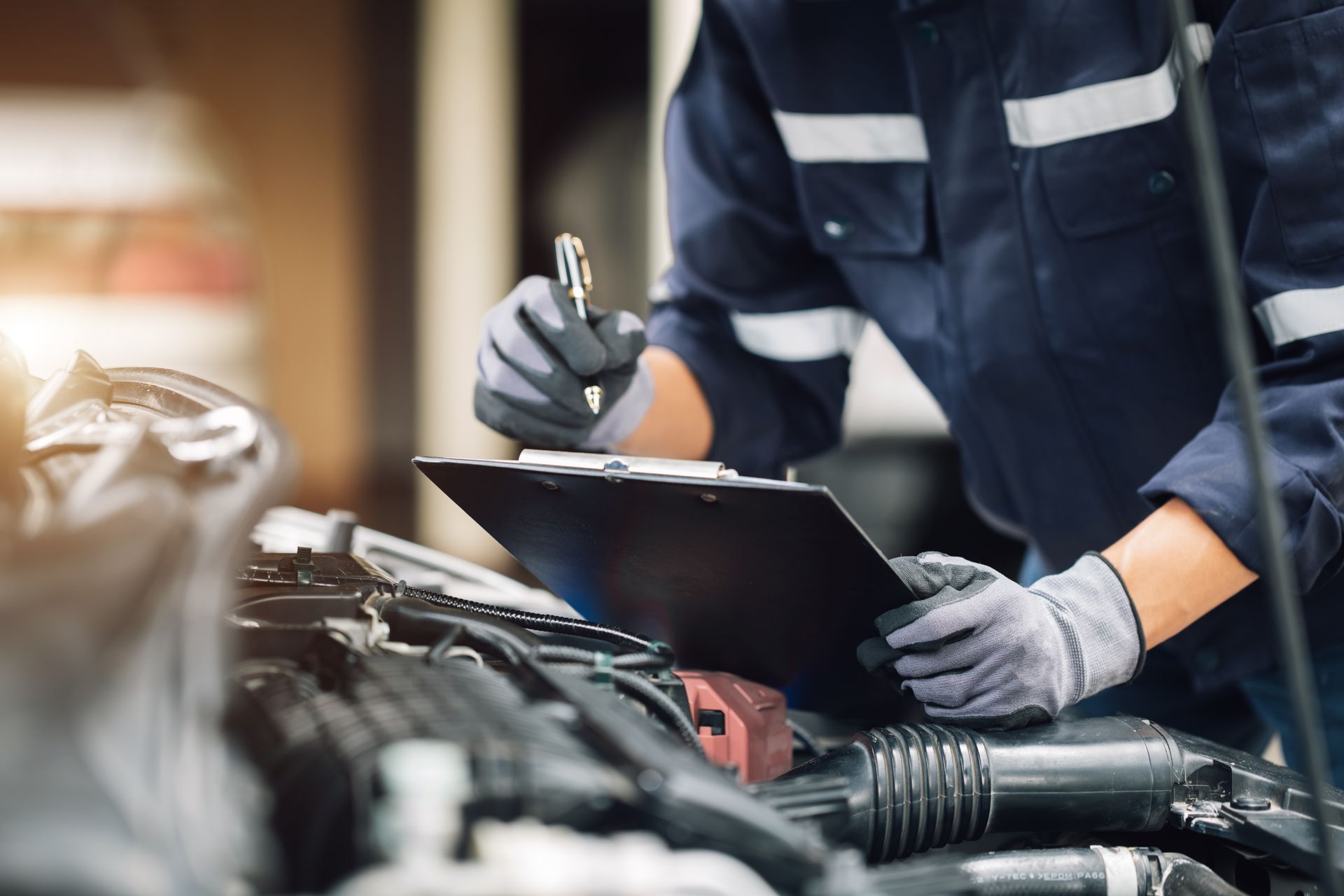
If your car squeaks when accelerating, don’t wait for the noise to become louder or more consistent. Strange sounds are often early warning signs that something under the hood needs attention. Whether the issue involves a worn belt, damaged pulley, exhaust leak, or another component, professional diagnostics can help pinpoint the cause before it leads to bigger repairs.
The team at AMJ Auto Repair can inspect your vehicle, identify the source of the noise, and recommend the right repair to keep your car running reliably.
Call our shop in Stevensville or in
Grasonville, or you can also conveniently
book an appointment online to get your vehicle checked before a small squeak turns into a major repair.