Why Is My Car Making a Rattling Sound When Accelerating?
Hearing a rattling sound when you press the gas pedal can be unsettling. Whether it’s a light metallic tapping or a louder clanking noise, unusual sounds during acceleration often indicate that something under the hood, or underneath your vehicle, isn’t functioning properly. While some causes are minor and easy to fix, others may signal more serious mechanical issues that require immediate attention.
If your car is making a rattling noise when accelerating, it’s important to identify the source early. Ignoring unusual sounds can lead to larger repairs, reduced performance, and potential safety concerns. Below, we break down the most common causes and what you should do next.
Common Causes of a Rattling Noise When Accelerating
Several components can produce a rattling sound when your engine is under load. The key is determining whether the noise is coming from the engine bay, exhaust system, suspension, or drivetrain.
1. Loose or Damaged Heat Shields
One of the most common and less severe causes of rattling is a loose heat shield. Heat shields are thin metal covers that protect other components from exhaust heat. Over time, bolts can loosen or corrosion can cause the shield to vibrate, especially during acceleration when engine vibration increases.
The sound often resembles a metallic buzzing or light rattling from underneath the vehicle.
2. Exhaust System Issues
A damaged or loose exhaust component can create noticeable rattling when you accelerate. Broken hangers, loose clamps, or internal muffler damage can cause parts of the exhaust system to vibrate.
If the rattling becomes louder over bumps or during acceleration, it may be exhaust-related. Exhaust issues should be addressed promptly to prevent further damage and potential safety hazards.
3. Engine Knock (Detonation)
Engine knock occurs when the air-fuel mixture inside the cylinders ignites unevenly. This creates a pinging or rattling sound during acceleration, particularly when the engine is under load.
Common causes of engine knock include:
- Low-quality fuel
- Carbon buildup inside the engine
- Faulty spark plugs
- Incorrect ignition timing
Persistent engine knock can cause internal engine damage if not resolved.
4. Loose Engine Components or Mounts
Motor mounts secure the engine to the vehicle’s frame and absorb vibration. If a mount becomes worn or broken, you may hear rattling or feel excessive vibration when accelerating.
Loose brackets, covers, or accessory components in the engine bay can also create noise under acceleration.
5. Transmission Problems
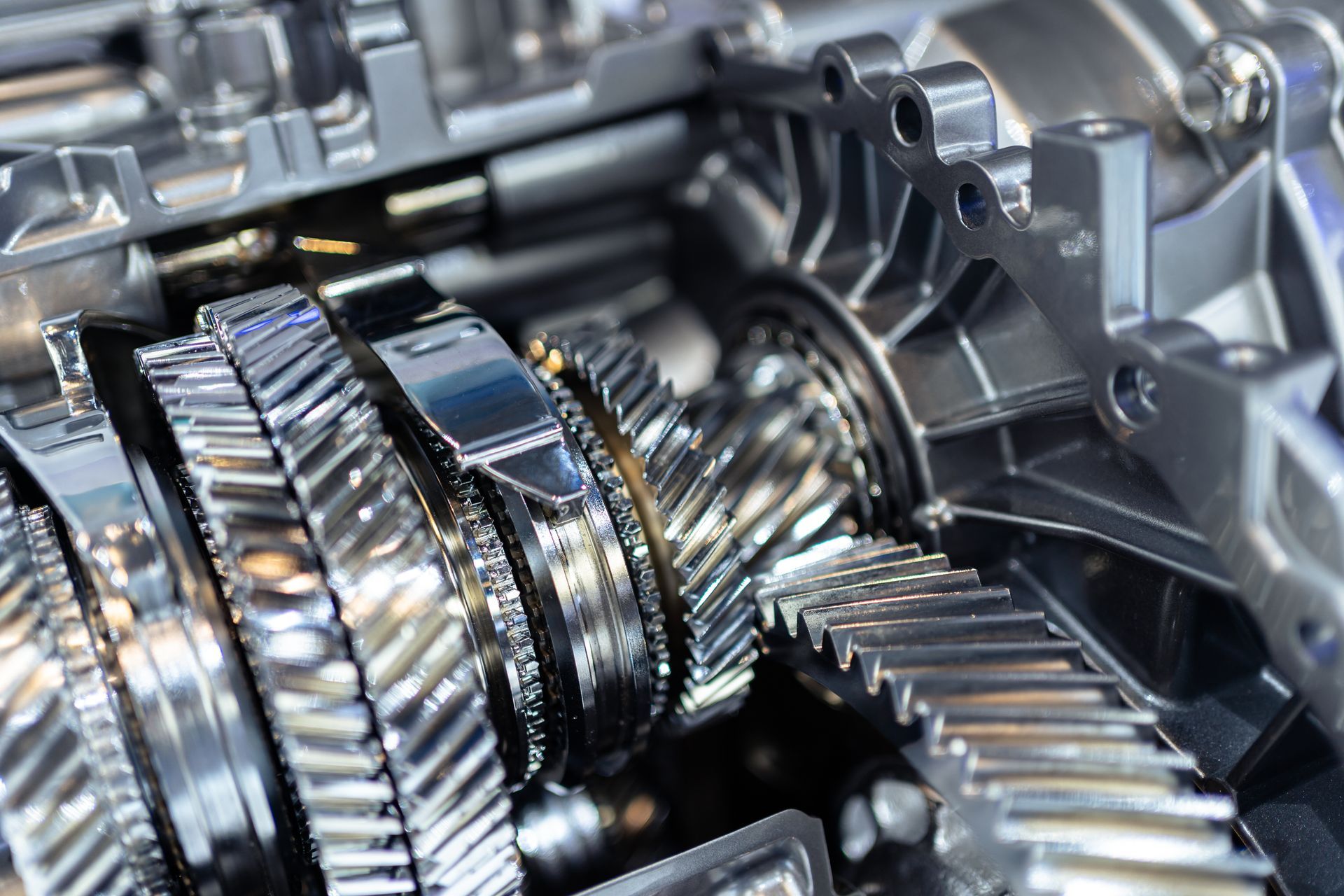
If the rattling noise occurs when shifting gears or accelerating from a stop, the transmission could be involved. Low transmission fluid, worn internal components, or torque converter issues may produce vibration or rattling sounds.
Transmission-related noises should always be inspected quickly to avoid costly damage.
6. Timing Chain or Timing Belt Issues
A worn or loose timing chain can create a rattling sound, particularly during startup or acceleration. If ignored, timing issues can lead to severe engine damage.
This is not a repair that should be delayed.
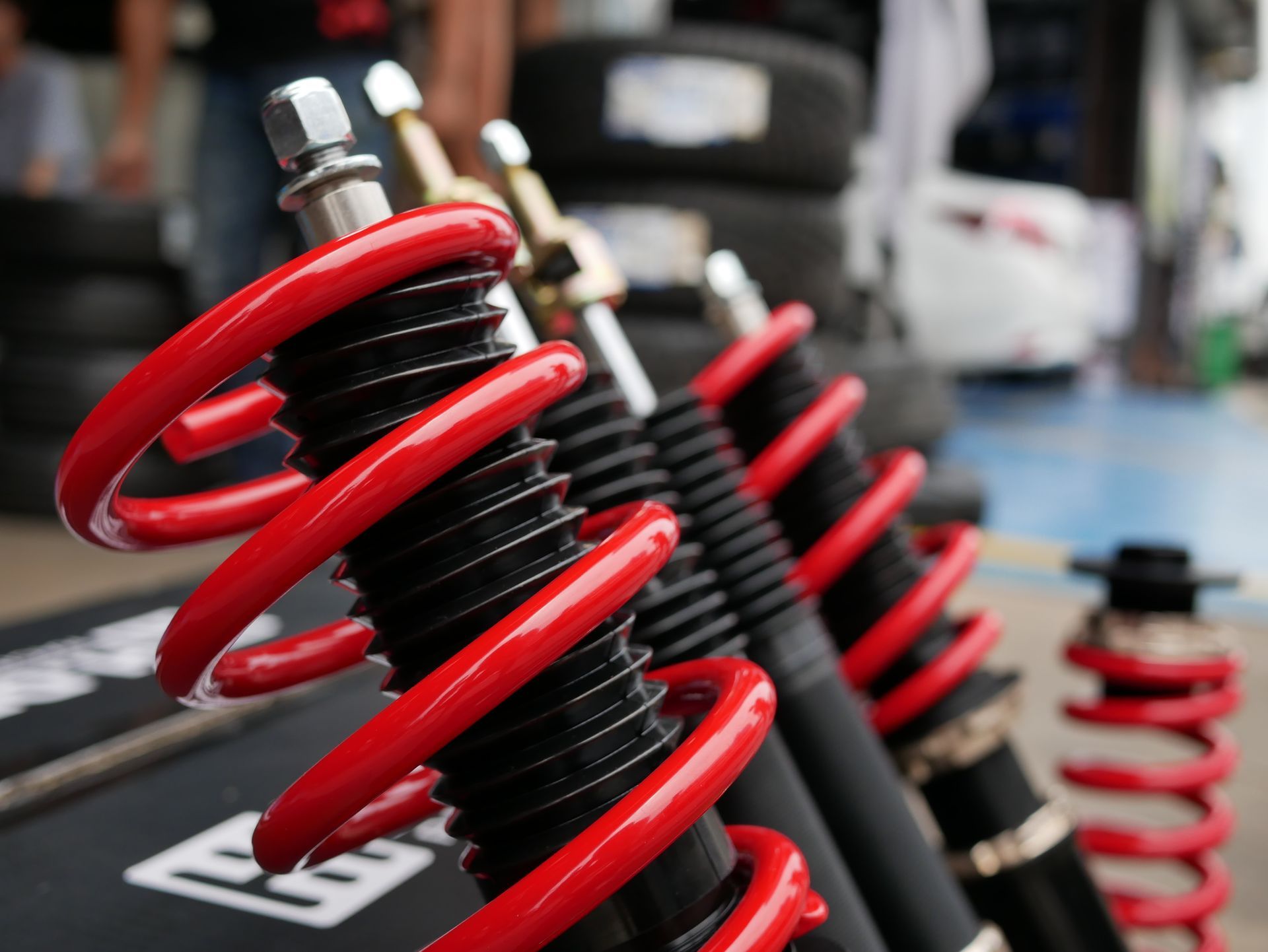
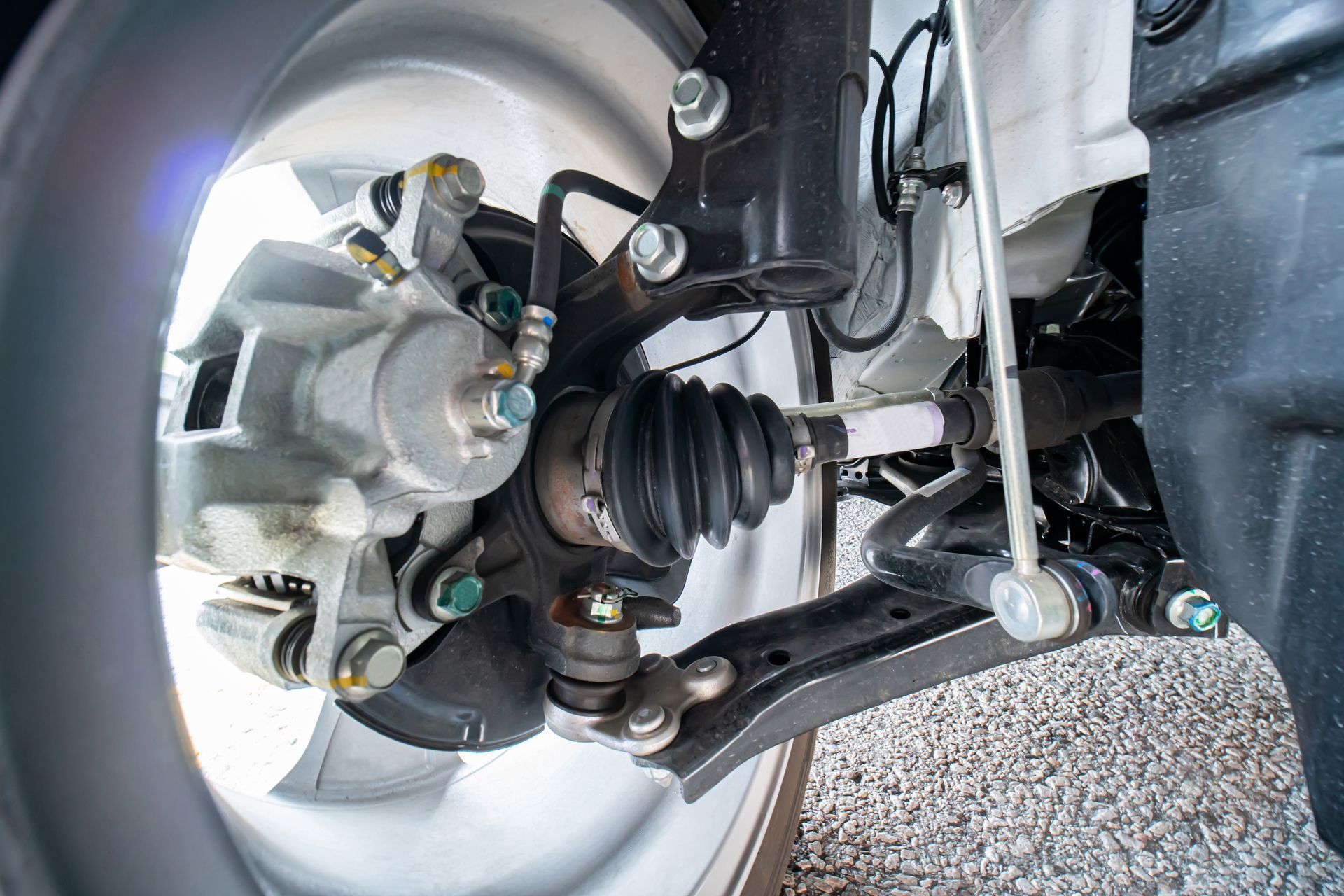
7. Loose Suspension or Steering Components
Though more noticeable over bumps, worn suspension parts such as sway bar links, ball joints, or control arm bushings can rattle when weight shifts during acceleration.
If the rattling feels connected to movement in the steering wheel or front end, suspension components may be the source.
8. Catalytic Converter Problems
A failing catalytic converter may produce a rattling noise due to internal material breaking apart. This often creates a metallic sound that worsens during acceleration.
Catalytic converter issues can also affect engine performance and fuel efficiency.
Is it Safe to Drive a Car That’s Rattling?
The safety of driving a rattling vehicle depends entirely on the cause. Minor issues like a loose heat shield may not pose immediate danger. However, problems involving the engine, transmission, suspension, or exhaust system can worsen quickly.
Driving with unresolved rattling noises can lead to:
- Reduced engine performance
- Increased fuel consumption
- Premature wear on internal components
- More expensive repairs over time
- Potential breakdowns
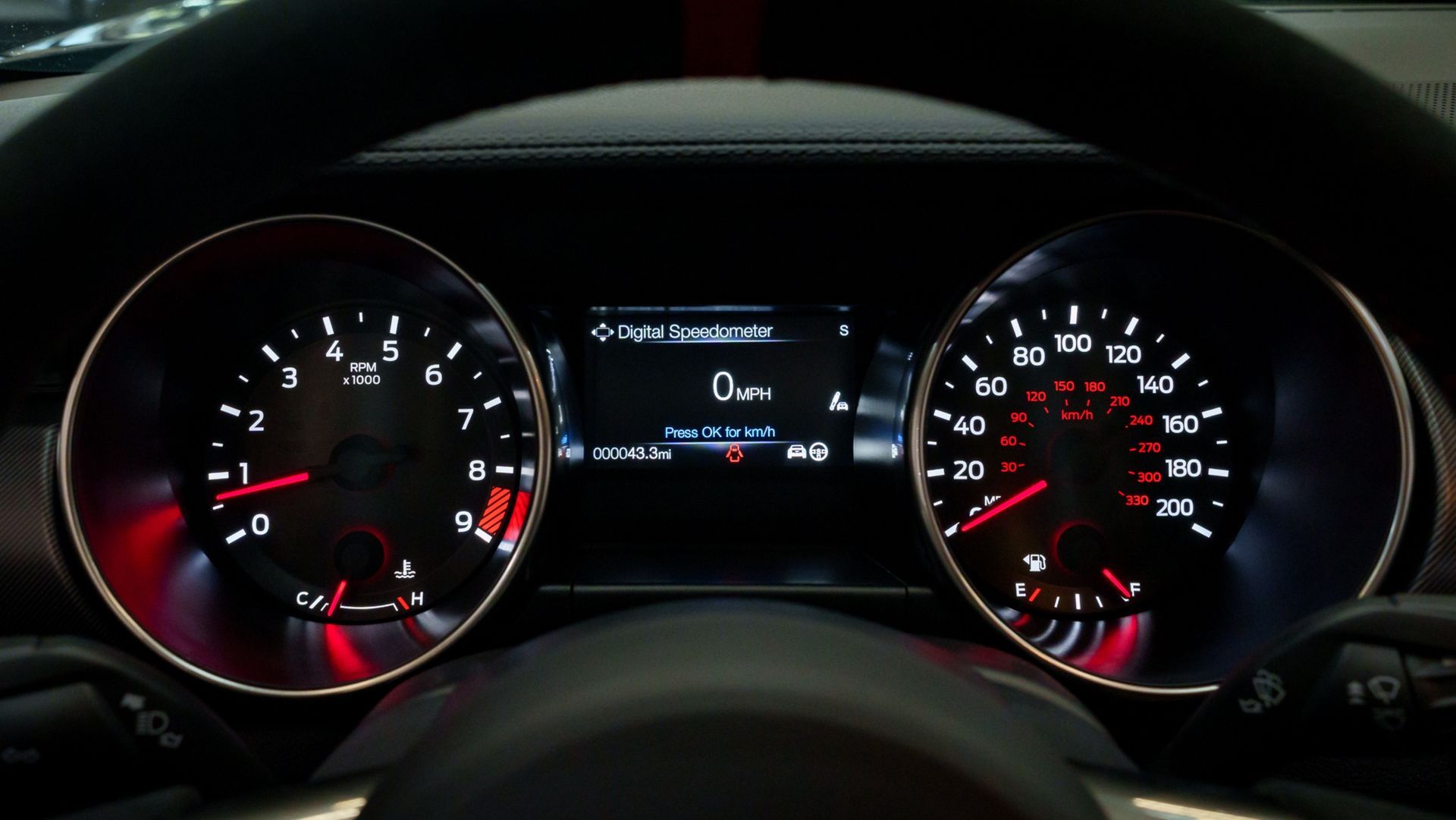
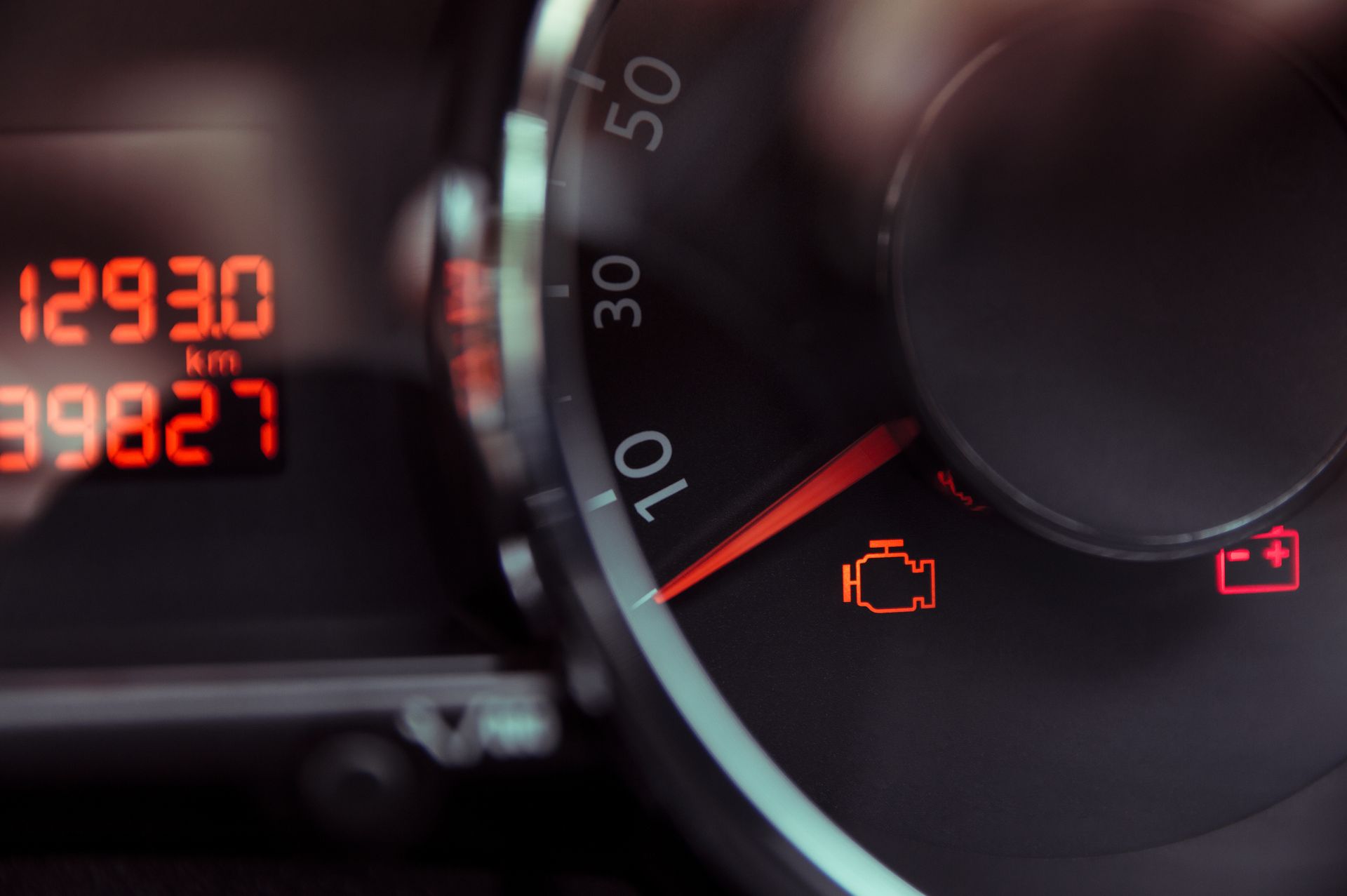
If the rattling is accompanied by warning lights, power loss, difficulty shifting, or overheating, the vehicle should be inspected immediately.
Even if the noise seems minor, diagnosing it early can prevent unnecessary strain on critical components.
When Should I Seek Professional Help for Rattling Noises?
You should schedule a professional inspection if:
- The rattling persists or worsens
- The sound occurs consistently during acceleration
- You notice changes in performance
- Warning lights appear on the dashboard
- The vehicle vibrates excessively
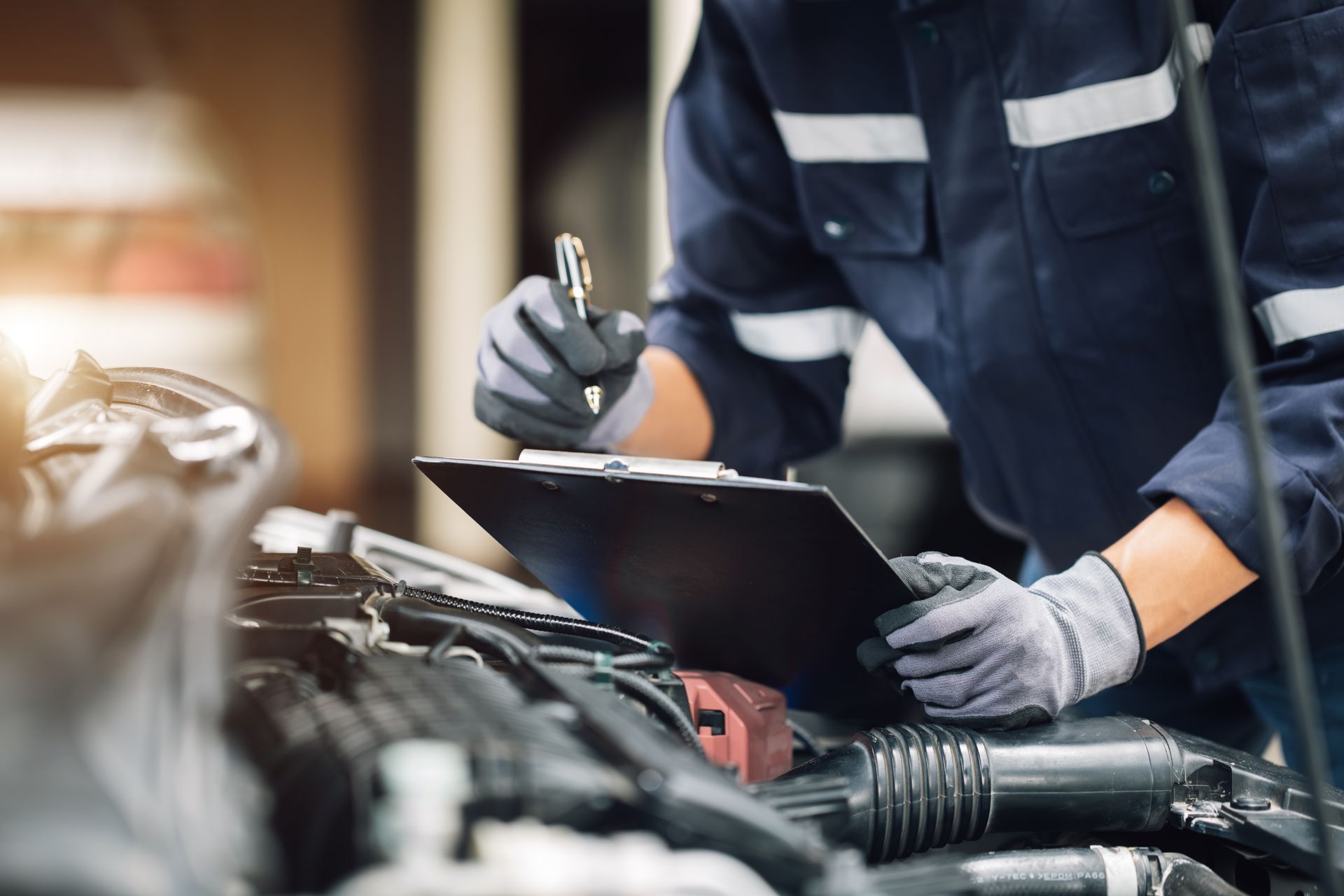
Modern vehicles rely on complex systems working in precise coordination. While it can be tempting to ignore unusual sounds, identifying the root cause requires professional diagnostic equipment and experience.
A certified technician can inspect the engine, exhaust system, suspension, and drivetrain to pinpoint the exact source of the noise and recommend the appropriate repair.
Schedule an Appointment or Visit AMJ Auto Repair
If your car is making a rattling sound when accelerating, don’t ignore it. What may start as a minor vibration can quickly develop into a costly repair if left unchecked.
At AMJ Auto Repair, our experienced technicians use advanced diagnostic tools to accurately identify the cause of rattling noises and provide honest, reliable repair solutions. Whether it’s a loose heat shield, exhaust issue, engine knock, or transmission concern, we’ll make sure your vehicle is restored to safe and smooth operation.
Protect your engine and your peace of mind. Schedule an appointment or visit AMJ Auto Repair today for a thorough inspection and expert service you can trust.