What to Do if Your Car Battery Dies
Few things are more frustrating than turning the key (or pressing the start button) and hearing nothing but a click. A dead car battery can happen without warning, whether you left your lights on, your battery is aging, or extreme temperatures took a toll. The good news is that in many cases, you can safely get your vehicle running again and prevent future breakdowns with the right steps.
Here’s what to do if your car battery dies and how to handle the situation safely and efficiently.
Steps to Take if Your Car Battery Dies
1. Stay Calm and Assess the Situation
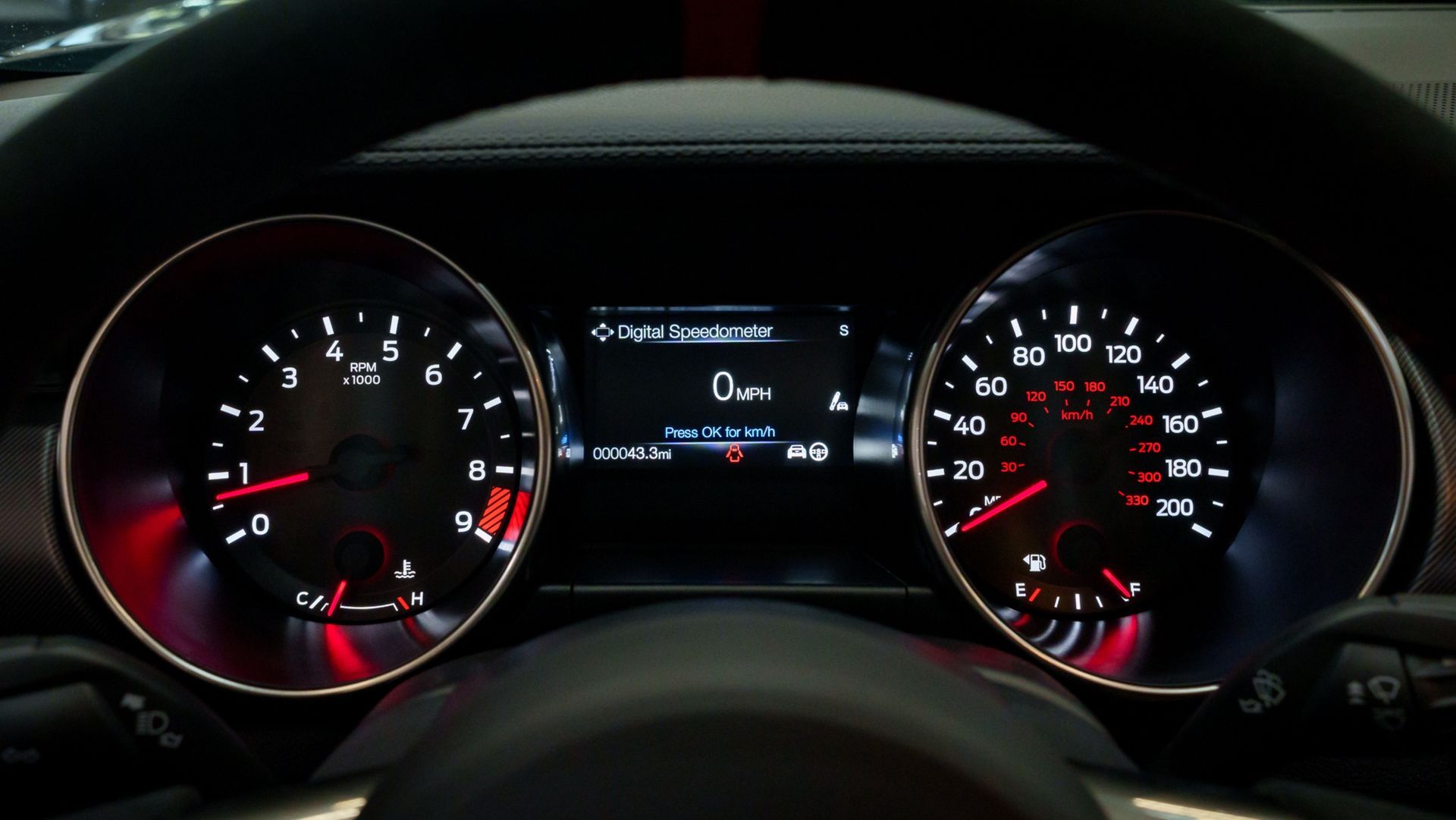
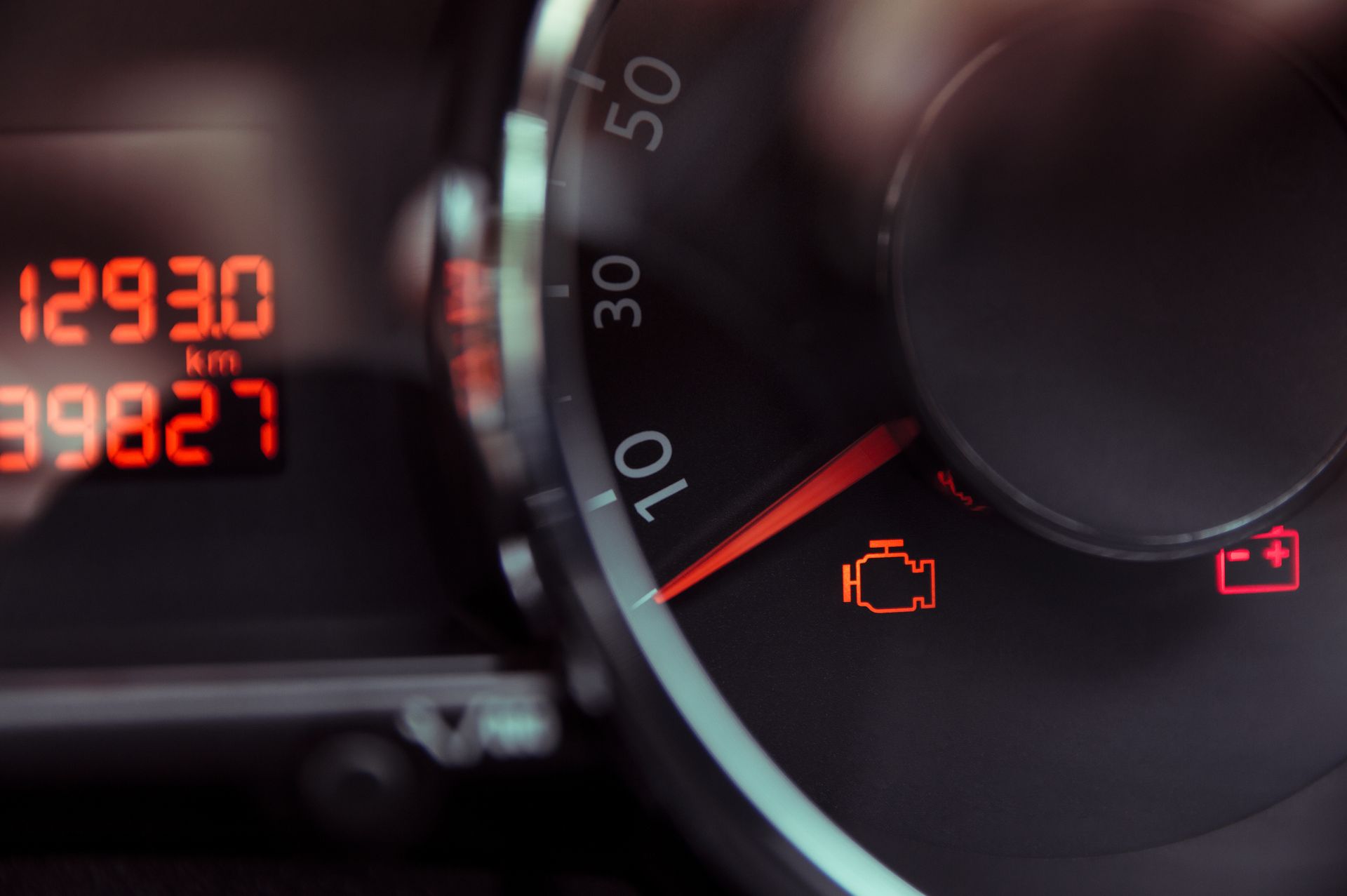
If your vehicle won’t start, first confirm that the battery is likely the issue. Common signs include dim dashboard lights, a clicking noise when turning the key, or no response at all. Make sure the vehicle is in park (or neutral for manual transmissions) and that the parking brake is engaged.
2. Turn Off All Electrical Components
Before attempting a jump-start, switch off headlights, interior lights, the radio, and climate controls. This reduces electrical load and protects the vehicle’s system during the jump.
3. Check the Battery Connections
Open the hood and inspect the battery terminals. Look for loose cables or visible corrosion (white or bluish buildup). If the terminals are loose, tightening them may restore power. If corrosion is present, avoid handling it without proper protection.
4. Call for Assistance or Prepare to Jump-Start
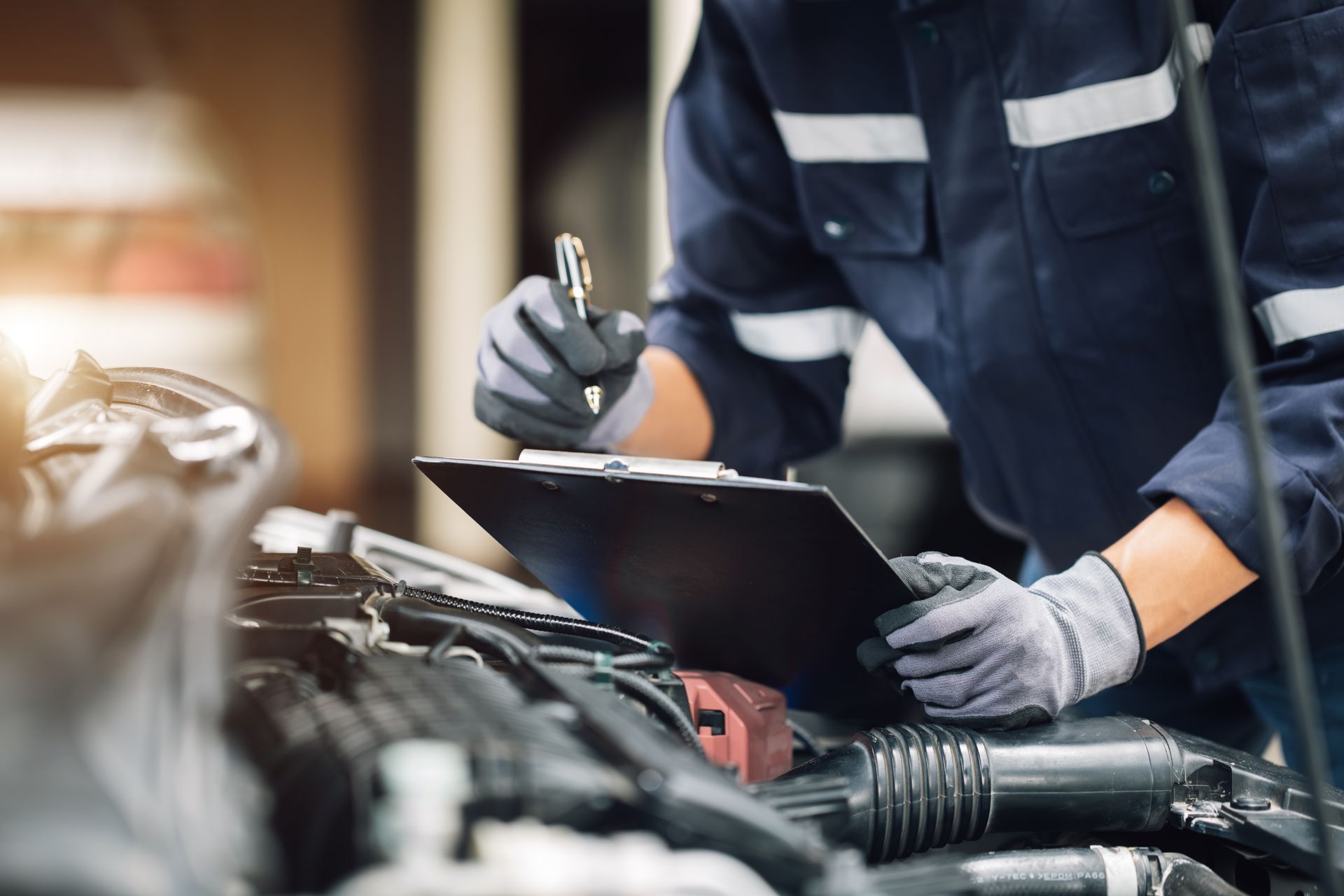
If you have jumper cables and access to another vehicle, you can attempt a jump-start. If you’re unsure or uncomfortable performing the process yourself, roadside assistance or a car mechanic in Stevensville is the safest option.
5. After Starting, Keep the Engine Running
Once the vehicle starts, allow it to run for several minutes before driving. Then drive for at least 15–20 minutes to help recharge the battery. Keep in mind, however, that a jump-start is often a temporary solution if the battery is failing.
How to Safely Jump-Start a Vehicle
Jump-starting a vehicle must be done carefully to avoid electrical damage or personal injury. Follow these steps in the correct order:
Step 1: Position the Vehicles
Park the working vehicle close to the dead vehicle, but do not allow them to touch. Turn off both vehicles and engage the parking brakes.
Step 2: Identify Battery Terminals
Locate the positive (+) and negative (–) terminals on both batteries.
Step 3: Connect the Red Cable
Attach one end of the red (positive) cable to the positive terminal of the dead battery.
Attach the other end of the red cable to the positive terminal of the good battery.
Step 4: Connect the Black Cable
Attach one end of the black (negative) cable to the negative terminal of the good battery.
Attach the other end of the black cable to an unpainted metal surface on the engine block or frame of the dead vehicle (not directly to the battery). Look for a bolt or bracket, though on most models, you'll find a grounding bolt specifically marked with a (–) for this purpose.
Step 5: Start the Working Vehicle
Start the vehicle with the good battery and let it idle for a few minutes.
Step 6: Start the Dead Vehicle
Attempt to start the vehicle with the dead battery. If it doesn’t start immediately, wait a few minutes and try again.
Step 7: Disconnect in Reverse Order
Once the vehicle starts, remove the cables in reverse order:
- Black cable from the grounded metal surface
- Black cable from the good battery
- Red cable from the good battery
- Red cable from the revived battery
Step 8: Drive and Monitor
Drive the vehicle for at least 15–20 minutes. If the car struggles to start again later, the battery may need replacement.
Identify the Signs of a Failing Battery
A dead battery often provides warning signs before complete failure. Recognizing these symptoms early can prevent inconvenient breakdowns.
Slow Engine Crank
If the engine turns over sluggishly when starting, your battery may be losing strength.
Dim or Flickering Lights
Headlights and dashboard lights that appear dim, especially when idling, may indicate low voltage.
Clicking Sound When Starting
A rapid clicking noise when turning the key often signals insufficient battery power.
Electrical Malfunctions
Power windows moving slowly, radio issues, or dashboard warning lights can all stem from a weak battery.
Swollen Battery Case
Extreme temperatures can cause the battery casing to expand, signaling internal damage.
Frequent Jump-Starts
If you’ve needed multiple jump-starts recently, the battery is likely no longer holding a charge effectively.
Battery Age
Most car batteries last between 3 to 5 years. If yours is within this range, it may be nearing the end of its lifespan, even if it hasn’t completely failed yet.
Should I Replace My Battery?
If your battery has died once, it doesn’t always mean it needs immediate replacement. However, repeated failures, visible damage, or a battery that tests weak during inspection are strong indicators that replacement is the safest choice.
Driving with a failing battery can strain your starter and alternator, leading to more expensive repairs. A professional battery test measures voltage output and overall performance to determine whether replacement is necessary.
At AMJ Auto Repair, we provide comprehensive battery testing and charging system inspections to ensure your vehicle starts reliably every time. If your battery needs replacement, we’ll install a high-quality battery designed for your vehicle’s specifications.
Don’t wait until you’re stranded in a parking lot or driveway. If your battery has died, or you suspect it’s weakening, visit AMJ Auto Repair at our Stevensville or Grasonville location, or schedule an appointment today for expert testing and dependable service.