Why Car Batteries Die in Cold Weather
There are few things more frustrating than turning the key on a frigid winter morning and hearing nothing but a slow, struggling click. If you've ever wondered why your car battery seems perfectly fine in October but completely dead by January, you're not alone. Car battery cold weather failure is one of the most common reasons drivers in the Stevensville and Grasonville area call for a jump-start between November and March. The good news is that once you understand what's actually happening inside your battery when temperatures fall, preventing it becomes a whole lot easier.
The Chemistry Behind the Cold
Your car battery is a lead-acid battery, which means it generates electricity through a chemical reaction between lead plates and a sulfuric acid solution. Like most chemical processes, this reaction slows down significantly when temperatures drop. At 32°F, a standard battery can lose roughly 20% of its capacity. By the time temperatures hit 0°F, that number can climb to 50% or more. So even a battery that's been holding a charge all summer may simply not have enough power left to crank your engine on a bitter cold morning.
What makes this especially tricky is that cold weather doesn't just weaken the battery, it also increases the power demand on it. Your engine's internal components contract slightly in the cold, and the engine oil thickens, creating more resistance inside the engine. This means the starter motor has to work harder and longer to get the engine turning over, drawing a heavier load from an already-diminished battery. It's a double hit that catches many drivers off guard.
Reduced Cranking Power
Cold Cranking Amps, or CCA, is the rating used to describe a battery's ability to start an engine in cold temperatures. It measures how much current a battery can deliver at 0°F for 30 seconds while maintaining a voltage above a set threshold. A battery that's aging or partially discharged will have a lower effective CCA than its original rating, meaning it may struggle to provide enough power during a cold start even if it was still working well in warmer months.
This is why batteries that are two or three years old tend to give out in winter rather than summer. The battery was likely running at reduced capacity well before the cold hit, the drop in temperature simply exposed the weakness that had been building up over time.
Thickened Engine Oil Makes Things Worse
Motor oil is designed to lubricate engine components and reduce friction during startup. In cold weather, conventional oil becomes noticeably thicker and more viscous, which means it doesn't flow as freely through the engine during those critical first seconds after ignition. The starter motor must work against that added resistance, which pulls more amperage from your battery and extends the duration of the crank. Using the correct oil viscosity rating for winter driving, typically a lower number like 5W-30, can help reduce this strain and take some of the burden off your battery during cold starts.
Low Charge Retention and Parasitic Drain
Batteries don't just lose capacity in the cold, they also have a harder time accepting and retaining a charge. During winter, many drivers take shorter trips, and a short drive doesn't give the alternator enough time to fully recharge the battery after startup. Over days and weeks, this gradual drain compounds, leaving your battery in a perpetual state of partial charge. Add in parasitic draws from heated seats, defrosters, headlights running longer in shorter daylight hours, and even your radio, and the battery is under constant pressure with little opportunity to fully recover.
How to Protect Your Battery Before Winter Hits
The most effective thing you can do is have your battery tested before cold weather arrives. A load test will reveal the true capacity of your battery and let you know whether it has enough life left to handle winter demands. Most batteries last three to five years, so if yours is approaching that range, replacing it proactively is far less expensive than a tow and an emergency service call. Beyond testing, keeping your battery terminals clean and free of corrosion ensures a solid connection that won't add extra resistance to an already-strained system. If your vehicle will sit unused for extended periods, a battery maintainer or trickle charger can keep the charge topped off without overcharging. Parking in a garage whenever possible also helps, since even a few degrees of temperature difference can make a meaningful impact on your battery's performance.
Don't Wait Until You're Stranded
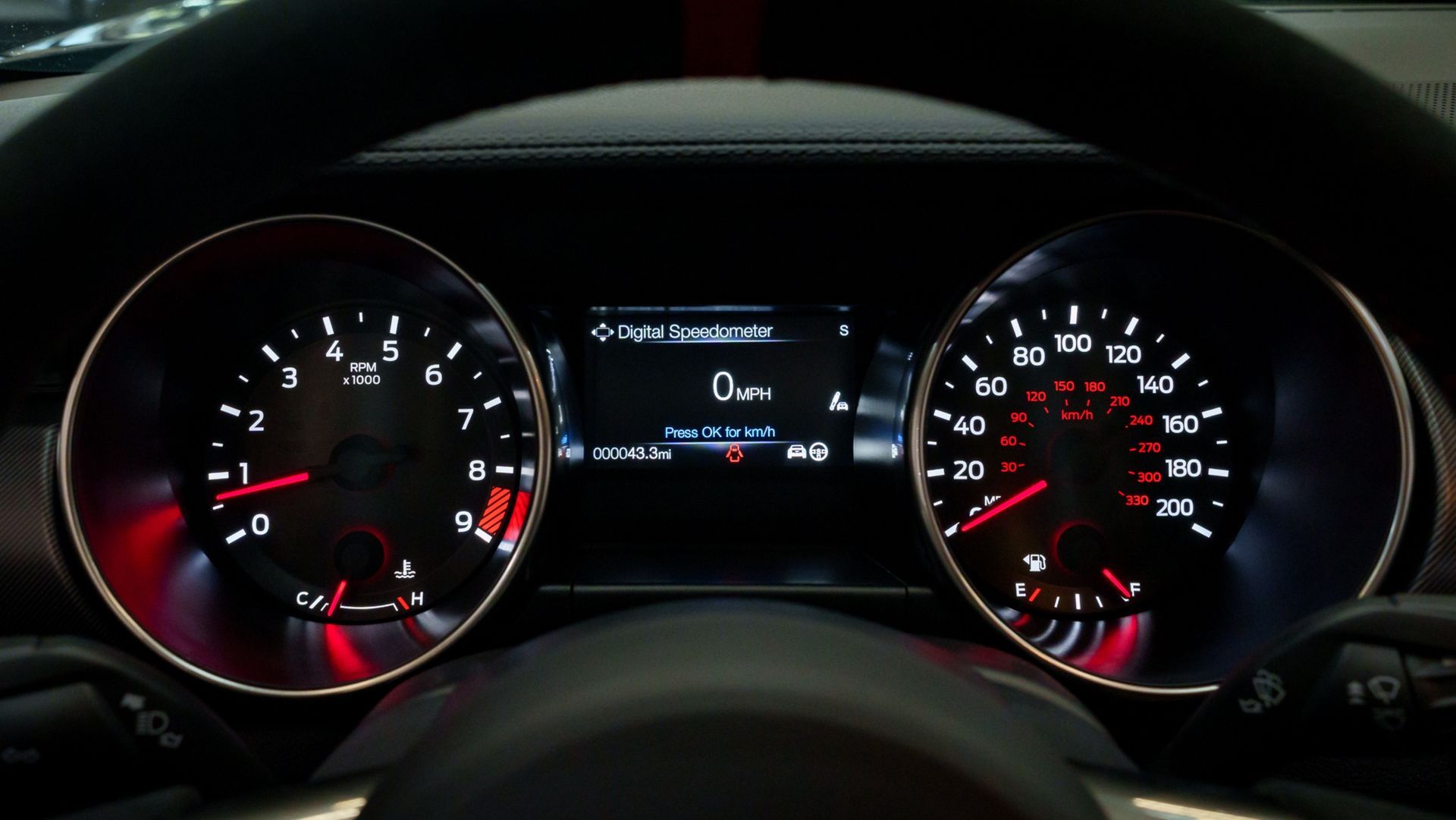
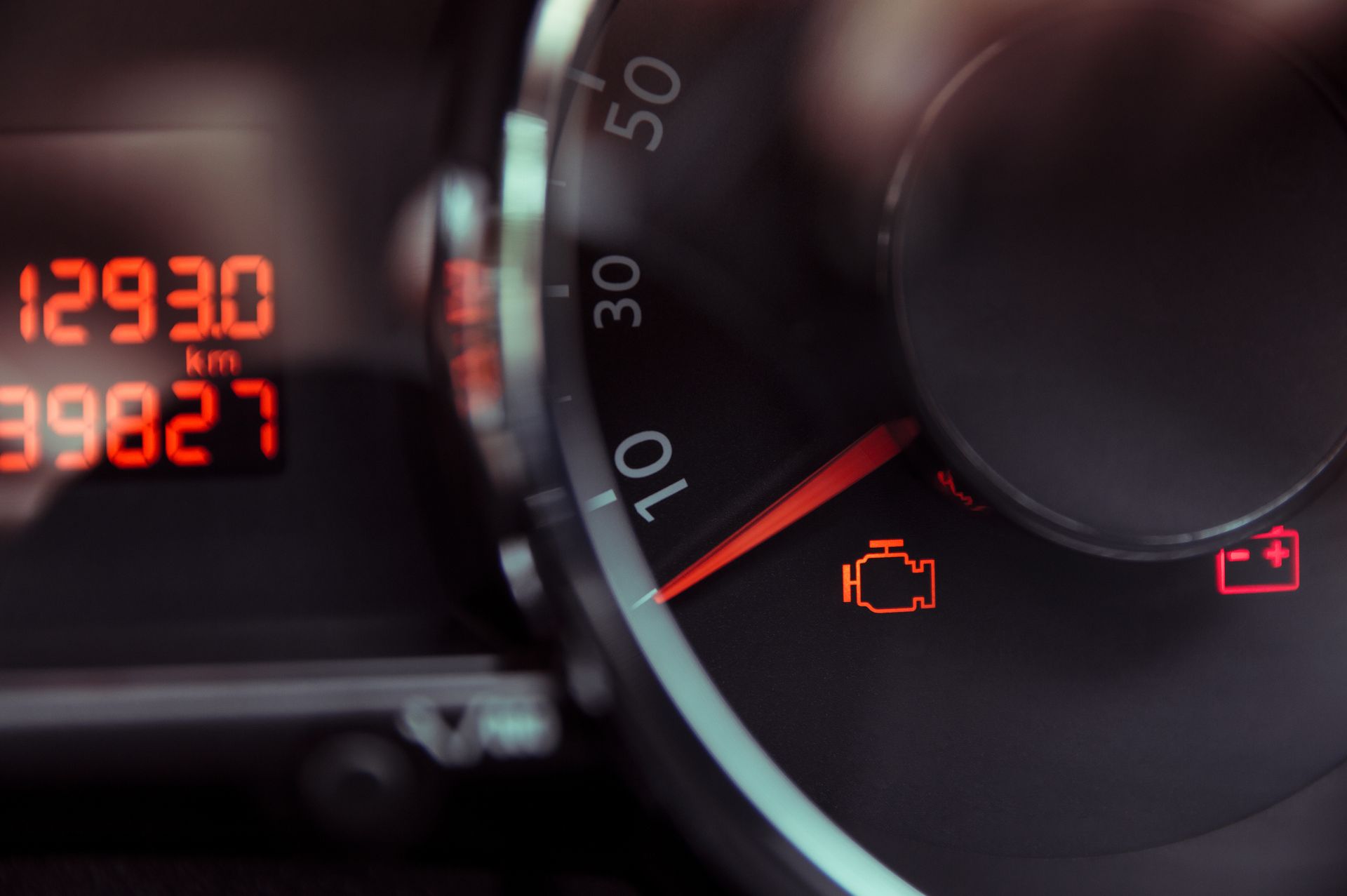
Winter battery problems rarely happen without warning signs. A slow crank at startup, dimming headlights, or a battery warning light on your dashboard are all indicators that something is wrong. Ignoring these signs can turn a minor inconvenience into a major disruption, especially when temperatures are at their worst. The team at AMJ Auto Repair
in Stevensville and Grasonville, MD, can perform a quick battery test and give you an honest assessment of whether your battery is ready for winter. Don't wait until you're stuck in a cold parking lot, call us today or
book your appointment online. We're here Monday through Friday to keep you safe and moving all season long.