Why is My Car Making a Rattling Noise
Few things are more unsettling than hearing an unexpected rattle coming from your vehicle. Whether it starts as a faint tick at idle or a loud clunking over bumps, a rattling noise is your car's way of telling you something needs attention. The tricky part is that rattles can originate from dozens of different places, making them notoriously difficult to diagnose without a trained eye, and ear. Understanding the most common sources of these noises can help you better describe the problem to your mechanic and know when it's time to stop driving and get it checked out.
Loose or Damaged Heat Shields
One of the most frequent culprits behind a car rattling noise is a loose heat shield. Heat shields are thin metal panels positioned around the exhaust system and catalytic converter to protect surrounding components from extreme temperatures. Over time, the bolts and brackets that hold them in place can corrode or loosen, especially here in Maryland, where road salt takes a toll on the undercarriage. When a heat shield comes loose, it vibrates against the exhaust pipe and produces a tinny, metallic rattle that often gets louder during acceleration or when the engine is cold. While a loose heat shield isn't an immediate safety emergency, it can eventually fall off entirely and create a hazard, so it's worth having it re-secured promptly.
Exhaust System Issues
Beyond heat shields, other parts of the exhaust system are common sources of rattling. A cracked exhaust manifold, loose exhaust pipe hangers, or a failing muffler can all produce noises ranging from a low rumble to a sharp clank. Exhaust rattles tend to be most noticeable at lower engine speeds and may be accompanied by a slight smell of exhaust inside the cabin, a sign that should never be ignored. Loose exhaust components can also affect fuel efficiency and emissions performance over time.
Worn Suspension and Steering Components
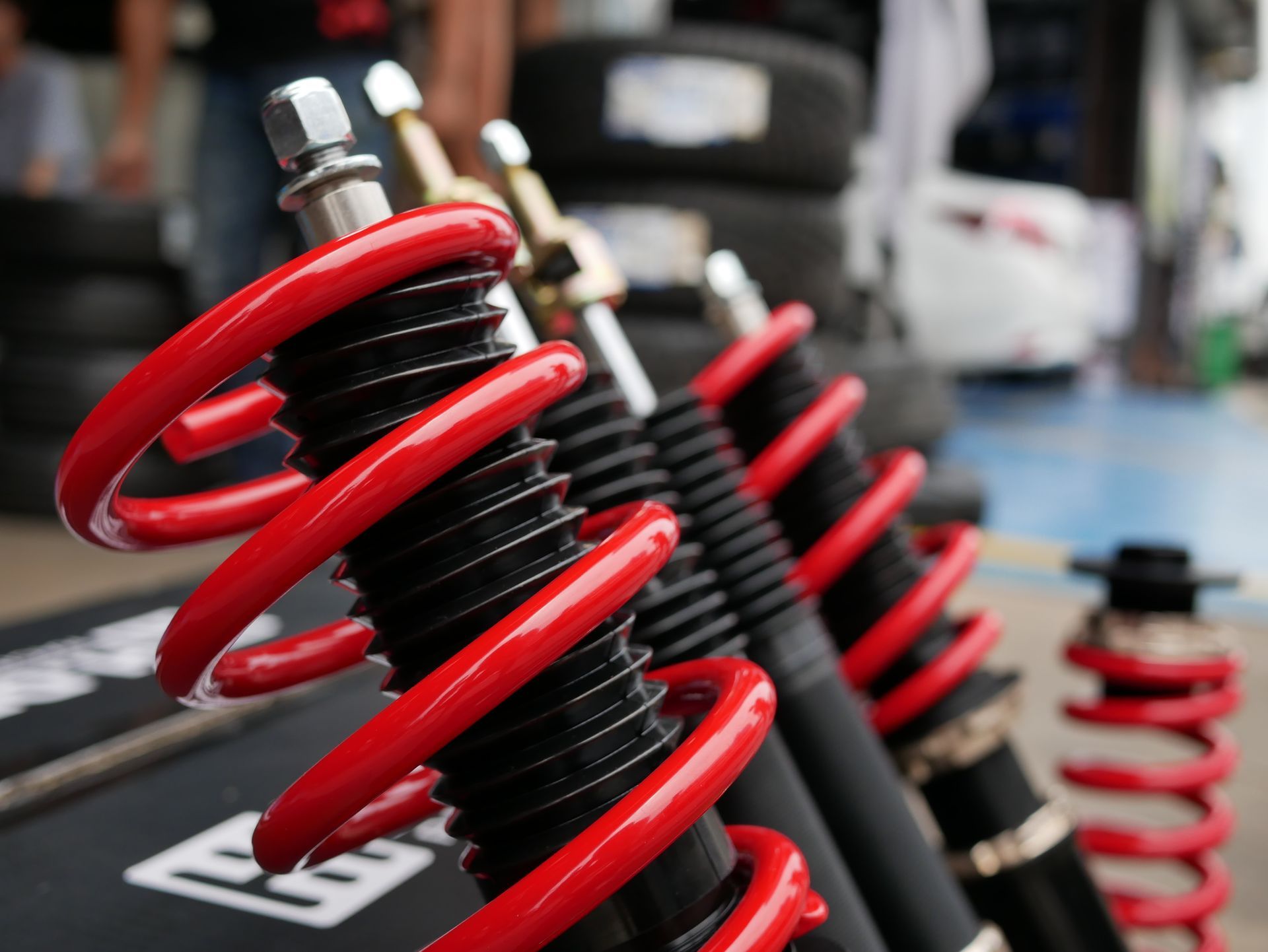
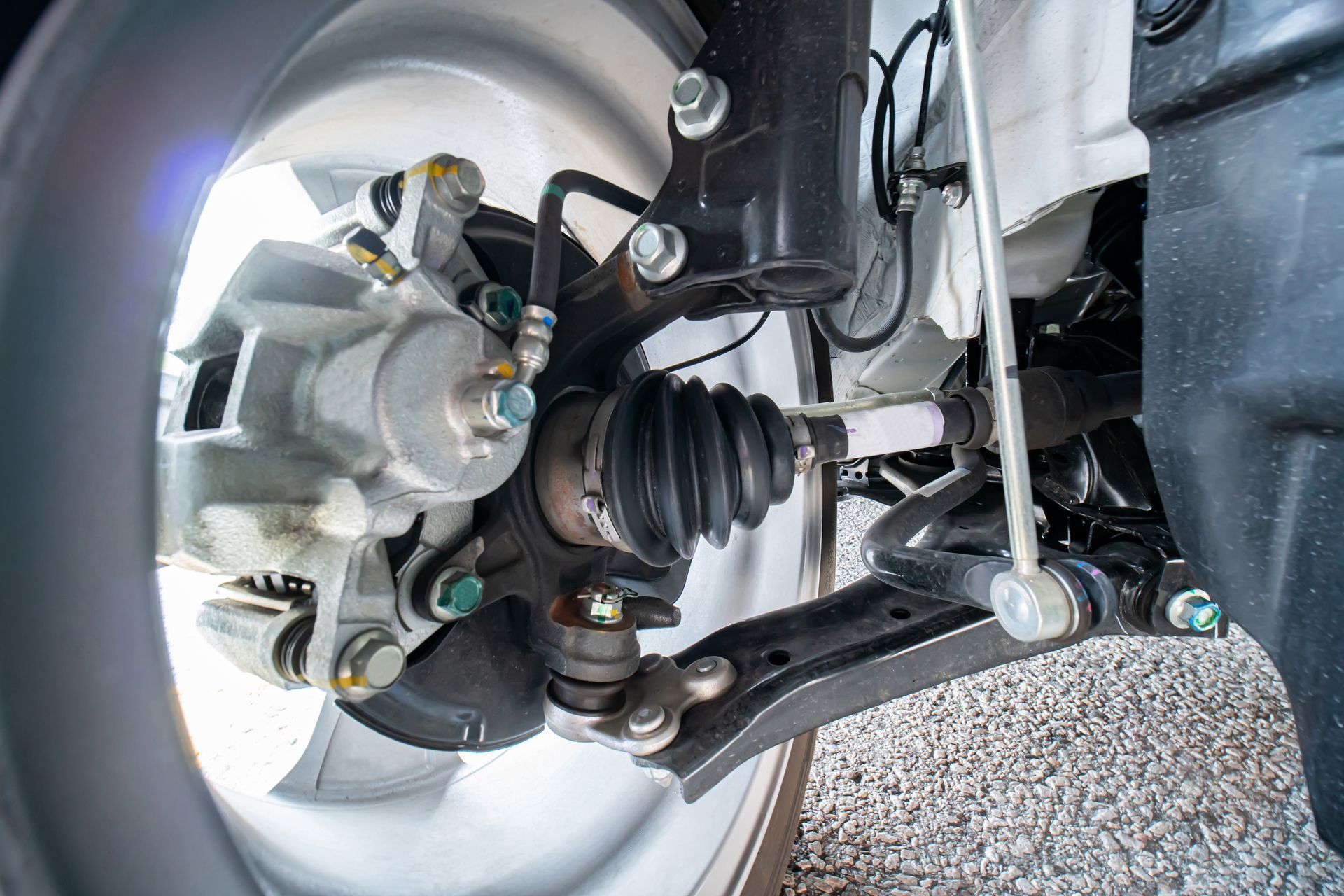
If the rattle seems to come from underneath the car and gets worse on rough roads, uneven pavement, or when going over speed bumps, the suspension system is a likely suspect. Worn ball joints, loose sway bar end links, deteriorated bushings, or failing struts can all create clunking and rattling sensations that transfer directly through the chassis. Sway bar links in particular are a very common and relatively inexpensive fix, but if left unaddressed, worn suspension parts can affect your vehicle's handling and put additional stress on other components. Steering components like tie rod ends can also rattle when they develop excessive play, often producing a knock when turning or hitting bumps.
Brake Components
Brake-related rattles often present as a metallic noise that occurs when you first start driving but fades after pressing the brake pedal. This is commonly caused by worn brake pad shims or anti-rattle clips that have degraded over time. In some cases, a brake caliper mounting bolt may have loosened, allowing the caliper to shift slightly under braking. Any noise associated with your brakes deserves prompt brake inspection, as brake system integrity is directly tied to your safety on the road.
Engine and Drivetrain Noise
Rattling from the engine bay can stem from several sources. A low oil level can cause a valve train rattle at startup that disappears once oil pressure builds, a signal to check your oil immediately. Worn timing chain tensioners produce a characteristic rattle on cold starts that typically quiets down once the engine warms up. Heat shields around the catalytic converter can also rattle at specific RPM ranges, sometimes causing confusion about whether the noise is engine-related or exhaust-related. In the drivetrain, worn CV axle joints or a failing driveshaft can produce clicking and rattling noises, particularly during acceleration or turns.
Loose Interior and Cargo
Not every rattle signals a serious mechanical problem. Sometimes the source is as simple as a loose item in the trunk, a worn door panel clip, or a rattling center console. Before assuming the worst, do a quick check of the interior, remove loose cargo, check that floor mats are secured, and listen carefully to identify whether the sound is coming from inside or underneath the vehicle. Interior rattles are annoying but harmless; under-vehicle rattles generally are not.
How to Help Diagnose the Sound
When trying to pinpoint a rattle, pay attention to a few key details:
- Does it happen at a specific speed?
- Only when going over bumps?
- When cold or after the car warms up?
- During acceleration or braking?
The more precisely you can describe the conditions, the faster a technician can narrow down the source. Video or audio recordings of the rattling sound can also be extremely helpful when bringing the car in for service. Especially if you notice that it’s a sound that comes and goes.
When to Visit a Repair Shop
Some rattles, like a loose interior trim piece, can wait. Others demand immediate attention. If the noise is coming from under the vehicle, worsens quickly, is accompanied by vibration through the steering wheel, or coincides with changes in handling or braking performance, don't delay. Driving on failing suspension or exhaust components can lead to more extensive and costly damage, and in some cases, a genuine safety risk.
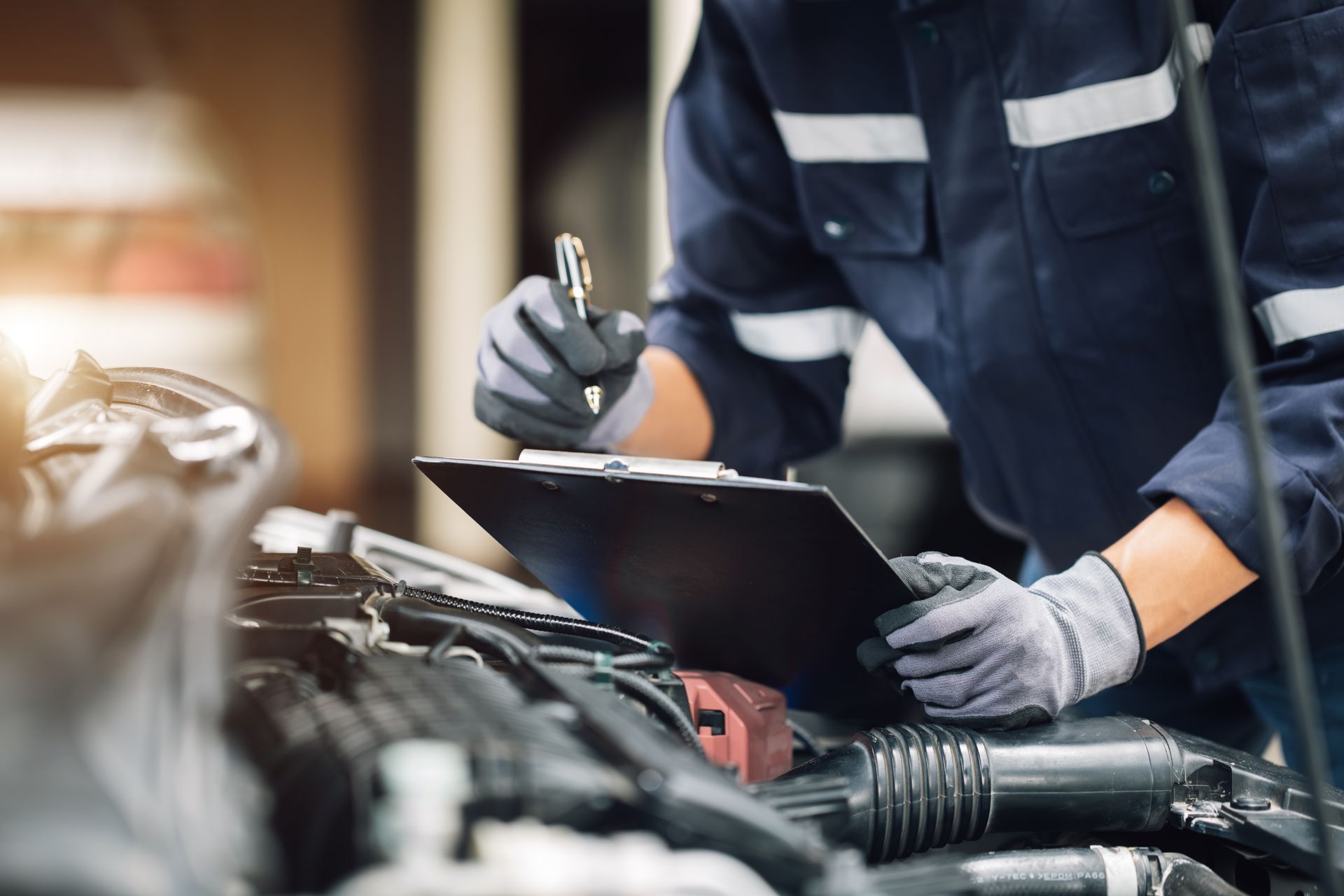
If you're asking yourself why your car is making a rattling noise and aren't sure where to start, the team at AMJ Auto Repair
is here to help. Our ASE-certified technicians at our Stevensville and Grasonville locations use advanced diagnostic tools to quickly identify the source of your vehicle's noise and get it resolved right the first time. Give us a call, or
book your appointment online today, and get back to driving with confidence.