Why is My Car Making a Clicking Noise
Few things are more unsettling than hopping in your car and hearing an unexpected clicking noise. Whether it's a faint tick at idle or a loud clunk when you turn the wheel, a car making clicking noise is your vehicle's way of telling you something needs attention. The good news is that clicking sounds are often diagnosable, and catching the problem early can save you from a much larger repair down the road. In this guide, we'll walk through the most common causes of clicking noises in your car, organized by when you hear them, so you can better understand what might be going on under the hood.
Clicking When You Try to Start the Car
If you turn the key or press the start button and hear a rapid clicking noise, but the engine won't turn over, the culprit is almost always electrical. A single loud click followed by nothing often points to a faulty starter motor. Rapid-fire clicking, on the other hand, is a classic symptom of a weak or dead battery that doesn't have enough charge to engage the starter properly. Corroded battery terminals can also cause this symptom, as a poor connection prevents adequate current from reaching the starter solenoid. Before assuming the worst, have your battery and charging system tested. A simple battery replacement or terminal cleaning could be all it takes to get you back on the road.
Clicking or Ticking While the Engine Is Running
A ticking or clicking noise that appears after the engine starts and continues at idle is one of the more common complaints in the shop. In many cases, this points directly to low engine oil. When oil levels drop, the engine's valvetrain components, including the lifters and rocker arms, don't receive adequate lubrication, causing them to tap and click against each other. If you hear this type of noise, check your oil level right away. Running an engine that's low on oil can lead to serious internal damage very quickly. Beyond oil level, the issue could also be dirty or degraded oil that's lost its ability to properly coat metal surfaces. Sticking to your vehicle's recommended oil change schedule is one of the simplest ways to prevent this problem entirely. In some cases, a ticking noise at higher RPMs can indicate worn or sticking hydraulic lifters, which will require professional diagnosis.
Clicking When Turning
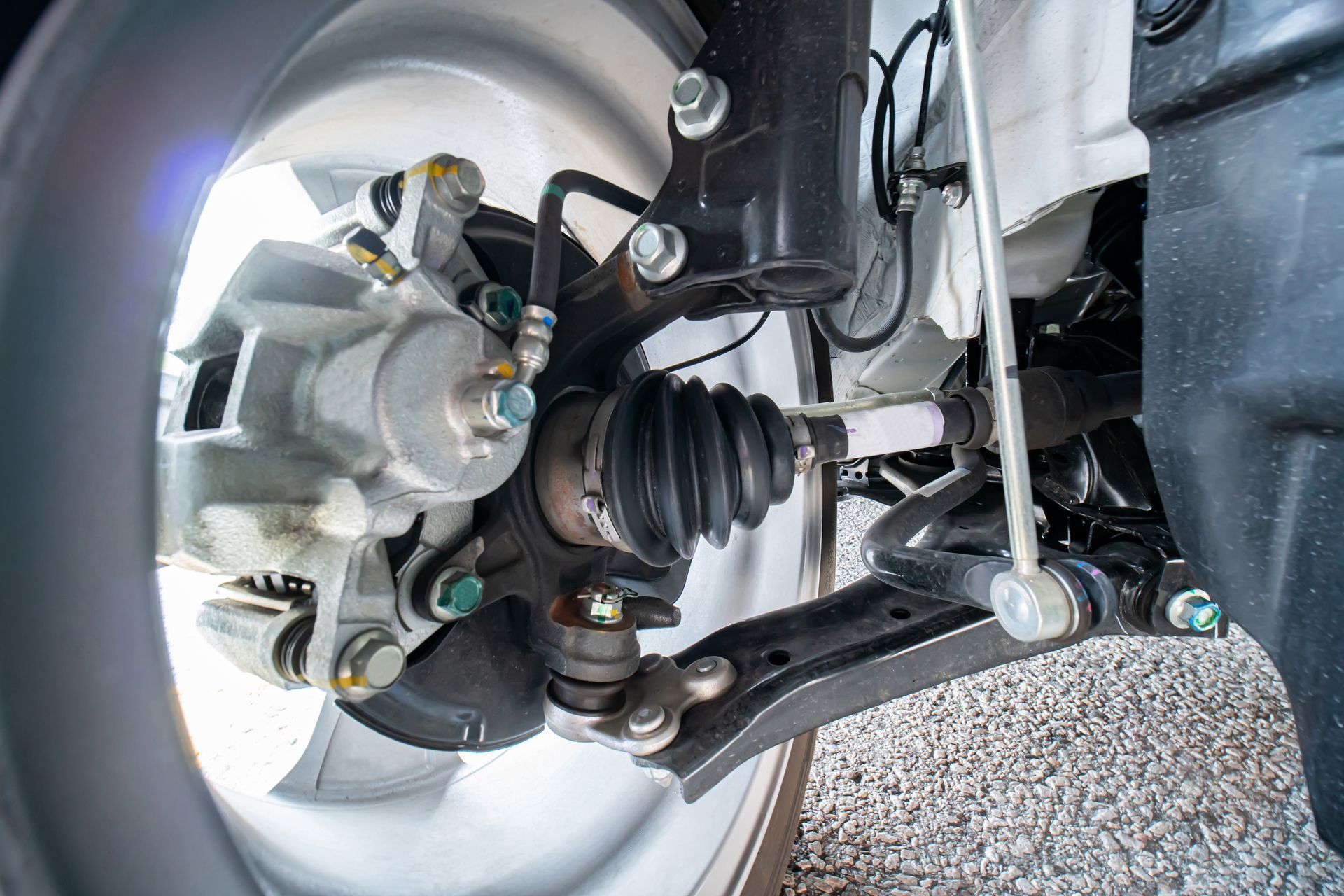
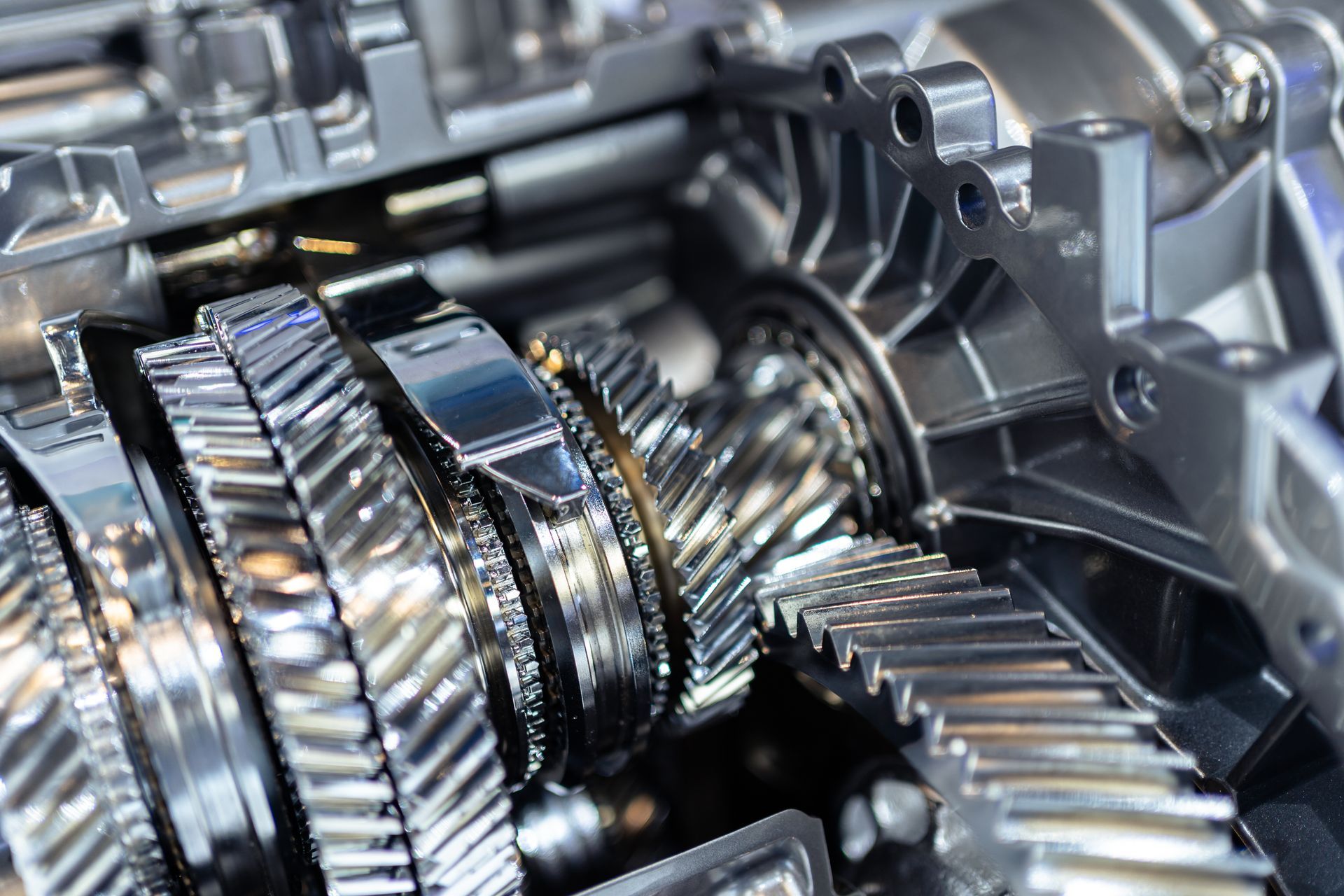
A clicking or popping noise that only appears when you turn the steering wheel, especially during low-speed maneuvers like pulling out of a parking lot, is a textbook sign of worn CV (constant velocity) joints. CV joints are part of the drivetrain on front-wheel-drive and all-wheel-drive vehicles. They transfer power to the wheels while allowing the suspension to move, but the rubber boots protecting them can crack and dry out over time. Once the protective grease escapes and dirt gets in, the joint wears rapidly. The clicking typically starts subtle and gets louder as the joint deteriorates further. Ignoring a worn CV joint long enough can result in complete joint failure, which can leave you stranded. If you're noticing clicking sounds when turning at slow speeds, it's worth having your CV axles inspected sooner rather than later.
Clicking During Acceleration
A clicking or knocking sound that shows up specifically when you accelerate can have a few different origins. Exhaust system issues, such as a cracked manifold or a loose heat shield, can produce a ticking or clicking noise that changes with engine load and RPM. These sounds often become more noticeable during hard acceleration or when the engine is cold. A loose or worn engine mount can also cause clunking or clicking as the engine shifts under load. In some vehicles, particularly those with direct injection engines, a certain amount of injector "tick" is normal, but louder or irregular clicking could point to a failing fuel injector. Detonation, sometimes called engine knock, is another possibility, this occurs when the air-fuel mixture ignites too early in the combustion chamber and can cause a sharp knocking or pinging sound under acceleration.
Electrical Clicking Noises
Not all clicks come from the mechanical or drivetrain side of things. Electrical components like relays and solenoids can produce clicking sounds when they're cycling on and off rapidly, which may indicate a short circuit, a failing relay, or a problem with a specific system like the ABS module or HVAC controls. If you hear clicking that seems to come from behind the dashboard and isn't related to engine performance or vehicle movement, it's likely an electrical issue that should be diagnosed with a proper scan tool.
Don't Ignore What Your Car Is Telling You
A clicking noise in your car is rarely just background noise, it's a symptom of something that deserves a closer look. Whether the sound happens at startup, while driving, or only when you turn, the underlying cause can usually be identified quickly by an experienced technician. What starts as a minor issue, like a low oil level or a worn CV boot, can escalate into a far more expensive repair if left unaddressed. If your car is making a clicking noise and you're not sure where it's coming from, the team at AMJ Auto Repair is here to help. With locations in Stevensville and Grasonville, MD, our ASE-certified technicians use advanced diagnostic tools to pinpoint the problem and get you back on the road with confidence. Call us today or
book your appointment online. We’re open Monday through Friday, 8:00 AM to 5:00 PM. Don't wait until a small click turns into a big repair bill.