Why Does My Steering Wheel Shake When I Brake?
If your steering wheel starts to shake or vibrate when you press the brake pedal, it’s a clear sign that something isn’t working properly. While the vibration might feel minor at first, it can quickly become more noticeable, and potentially dangerous, if left unaddressed. A smooth, steady stop is what your braking system is designed to deliver. When that changes, your vehicle is signaling that it needs attention.
Understanding the cause of steering wheel vibration during braking can help you prevent further damage and restore safe, confident driving.
Common Causes of a Shaky Steering Wheel
Several mechanical issues can cause your steering wheel to shake when braking. Some are more common than others, but all should be inspected by a professional.
Warped Brake Rotors
This is the most common cause. Brake rotors can become uneven or “warped” due to excessive heat, especially from hard or repeated braking. When the brake pads press against an uneven rotor surface, it creates pulsation that travels up through the steering system and into the wheel.
You may also notice:
- Pulsation in the brake pedal
- Increased vibration at higher speeds
- Longer stopping distances
Worn Brake Pads
Brake pads that are unevenly worn or excessively thin can create inconsistent contact with the rotor. This can result in vibration when braking, especially at highway speeds.
Routine brake inspections help catch worn pads before they cause rotor damage.
Sticking Brake Calipers
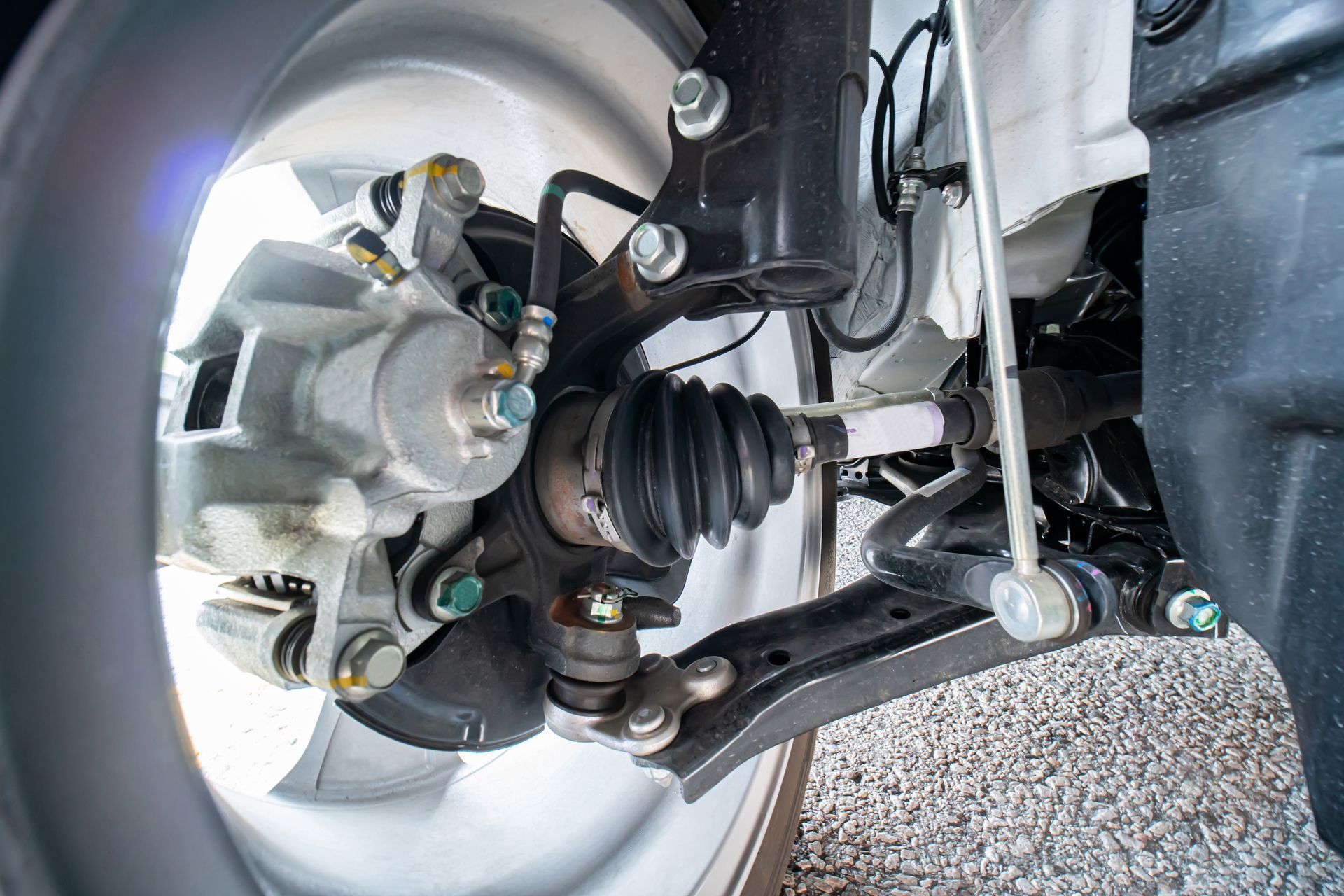
If a brake caliper becomes stuck, it may apply uneven pressure to the rotor. This can cause heat buildup, uneven wear, and noticeable shaking when slowing down.
Caliper issues can also lead to pulling to one side while braking.
Suspension or Steering Component Wear
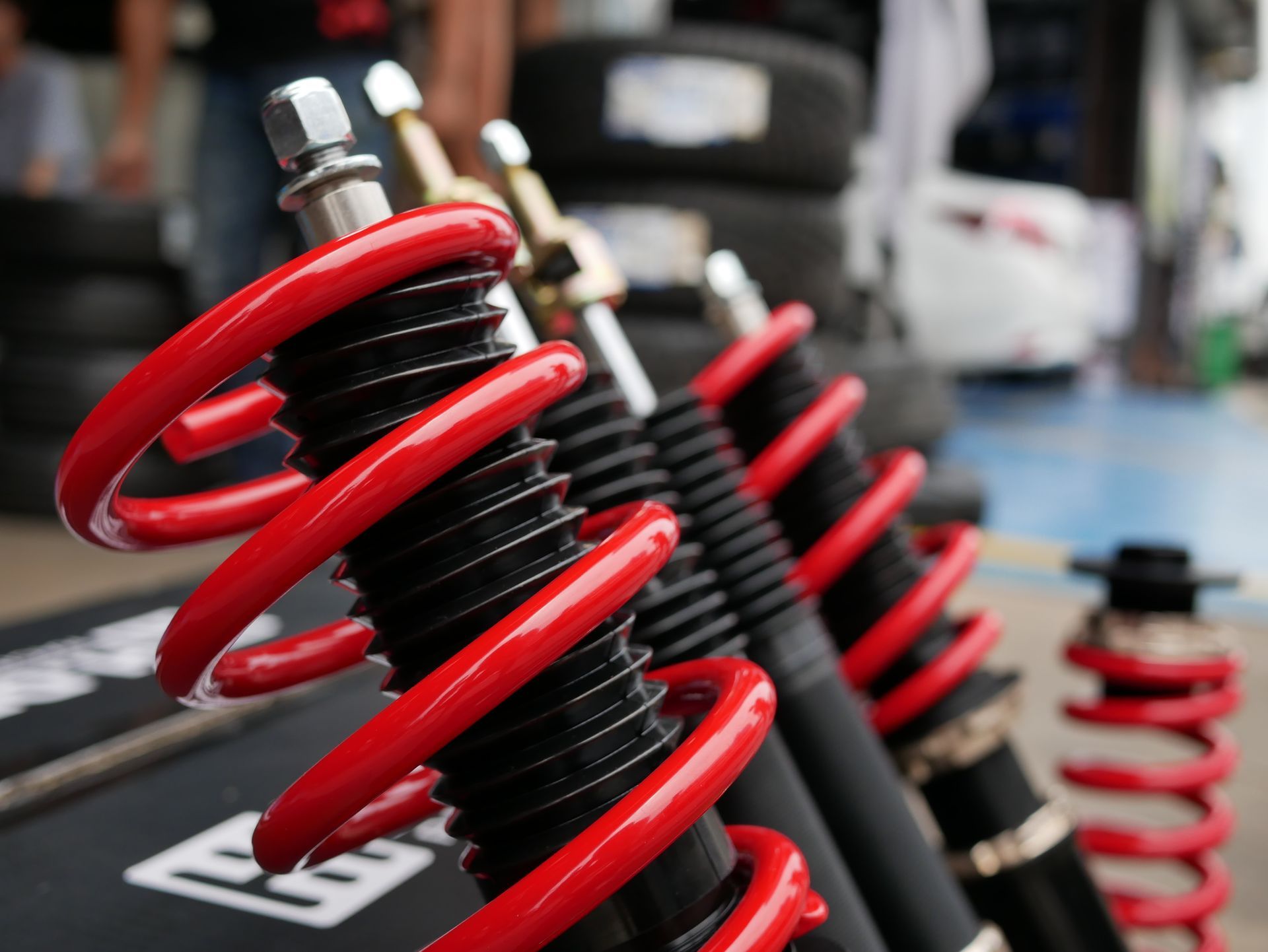
Sometimes the shaking isn’t entirely a brake issue. Suspension issues like worn tie rods, ball joints, or control arm bushings can amplify vibration when braking. Since braking shifts weight forward, any weakness in the front suspension becomes more noticeable.
Wheel Alignment Issues
Improper wheel alignment can contribute to uneven tire wear and instability during braking. If combined with rotor problems, the vibration may feel more severe.
Tire Problems
Uneven tire wear, flat spots, or internal tire damage can also cause vibration. While tire issues usually cause shaking while driving, they can become more noticeable during braking.
How Serious is a Shaking Steering Wheel?
A shaking steering wheel while braking should never be ignored. While warped rotors are often the primary cause, the underlying issue can worsen over time.
If left unresolved, you may experience:
- Reduced braking efficiency
- Increased stopping distances
- Premature wear on brake components
- Damage to suspension or steering parts
- Compromised vehicle control in emergency stops
In severe cases, continued driving with brake issues can create unsafe conditions, especially at highway speeds or in wet weather. Because your braking system is one of your vehicle’s most critical safety components, even minor vibrations should be inspected promptly.
The earlier the problem is diagnosed, the more affordable and straightforward the repair typically is.
What to Do Next?
If your steering wheel shakes when you brake, don’t wait for the vibration to get worse. The safest course of action is to have your braking and suspension systems professionally inspected.
At AMJ Auto Repair, our experienced technicians perform thorough brake inspections to identify the exact cause of the vibration, whether it’s warped rotors, worn brake pads, suspension wear, or alignment issues. We provide honest recommendations and high-quality repairs to restore smooth, reliable stopping power.
Schedule your appointment with AMJ Auto Repair today and drive with confidence knowing your vehicle’s braking system is in expert hands.