Why is My Car Leaking Oil When Parked
Walking up to your car and spotting a dark, greasy stain on the pavement beneath it is never a welcome sight. If your car is leaking oil when parked, it's a clear signal that something under the hood needs attention. While it might be tempting to wipe up the puddle and carry on with your day, ignoring an oil leak can lead to significant, and expensive, engine damage over time. The good news is that most oil leaks have identifiable causes, and catching them early gives you the best chance of addressing them before they escalate into a much bigger problem.
What Does an Oil Leak Look Like?
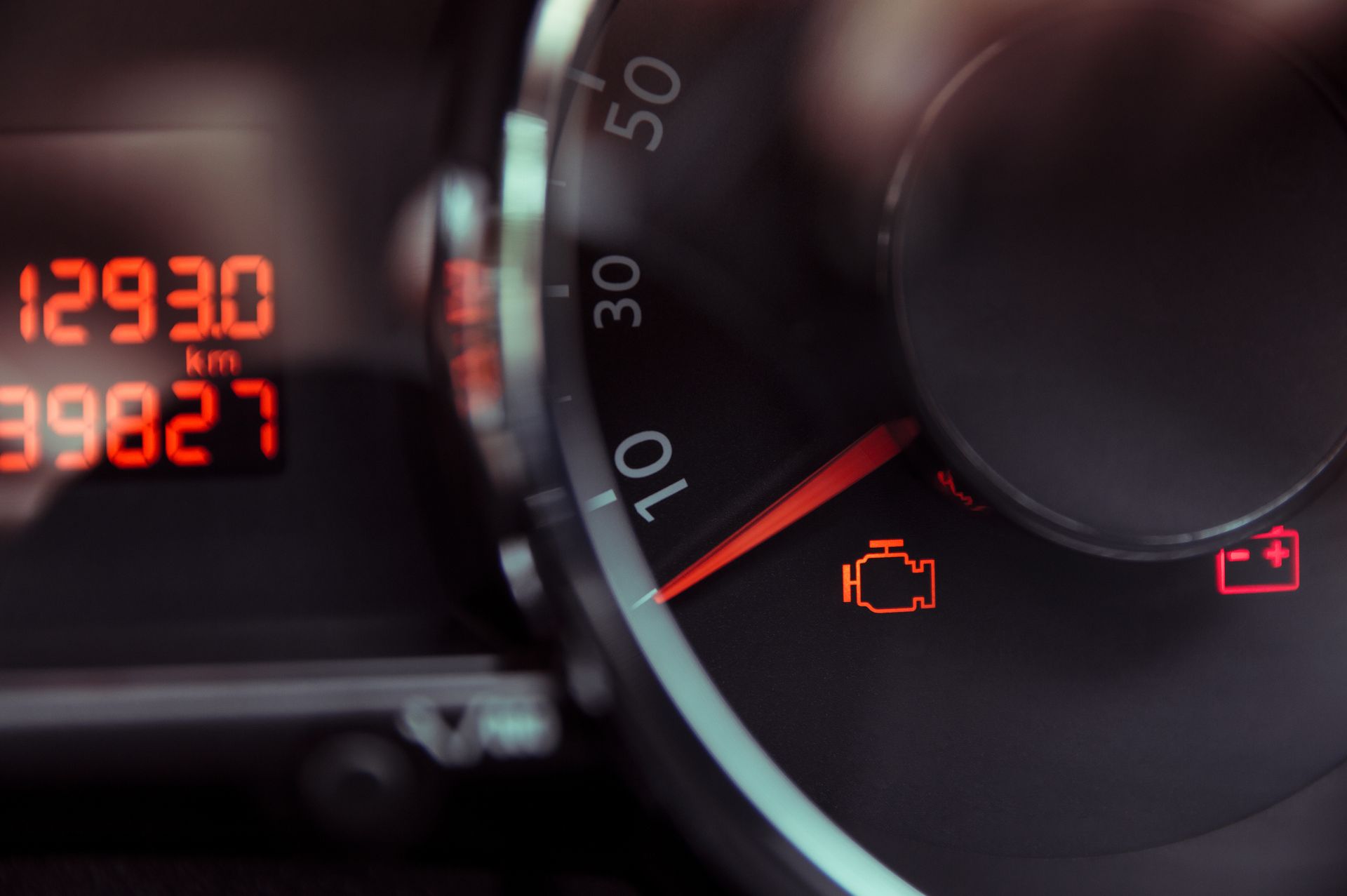
Before diving into causes, it helps to know what you're looking for. Engine oil typically appears as a dark brown or black puddle, though fresh oil can range from amber to golden. You'll usually find it pooled directly beneath the center or front of your vehicle. If the spot is clear and watery, it could be condensation from the air conditioner, not a cause for concern. A slick, oily residue with a distinct burnt smell, however, is worth investigating. You may also notice your oil warning light flickering on the dashboard, or see smoke rising from under the hood if oil is dripping onto a hot engine component.
Issues With the Oil Pan and Oil Pan Gasket
One of the most common culprits behind a car leaking oil when parked is a damaged oil pan or a deteriorated oil pan gasket. The oil pan sits at the bottom of your engine and holds the engine oil when your vehicle is not running. Because of its low position, it's particularly vulnerable to road debris, rocks, and rough terrain that can dent or crack the pan itself. Even without physical damage, the gasket that seals the oil pan to the engine block is made of rubber or cork, and it naturally degrades over time due to heat cycles and age. When that seal weakens, oil slowly seeps out, often pooling directly beneath your parked car overnight. A small crack or compromised gasket might only produce a minor drip at first, but left unaddressed, the leak will worsen and your oil level will drop to dangerous levels.
The Valve Cover Gasket
Situated at the top of the engine, the valve cover protects the camshaft and other valve train components. The valve cover gasket creates a tight seal between the cover and the engine head, keeping oil contained while the engine runs. Over time, heat and pressure cause this gasket to harden, crack, and shrink, all of which allow oil to escape. When the valve cover gasket fails, you may notice oil collecting around the top of the engine, running down the side of the block, and eventually dripping to the ground. A telltale sign of a valve cover gasket leak is a burning smell caused by oil dripping onto the hot exhaust manifold below. This is one leak you don't want to put off, because the burning oil can become a fire hazard in addition to depleting your engine's lubrication.
Rear Main Seal and Other Engine Seals
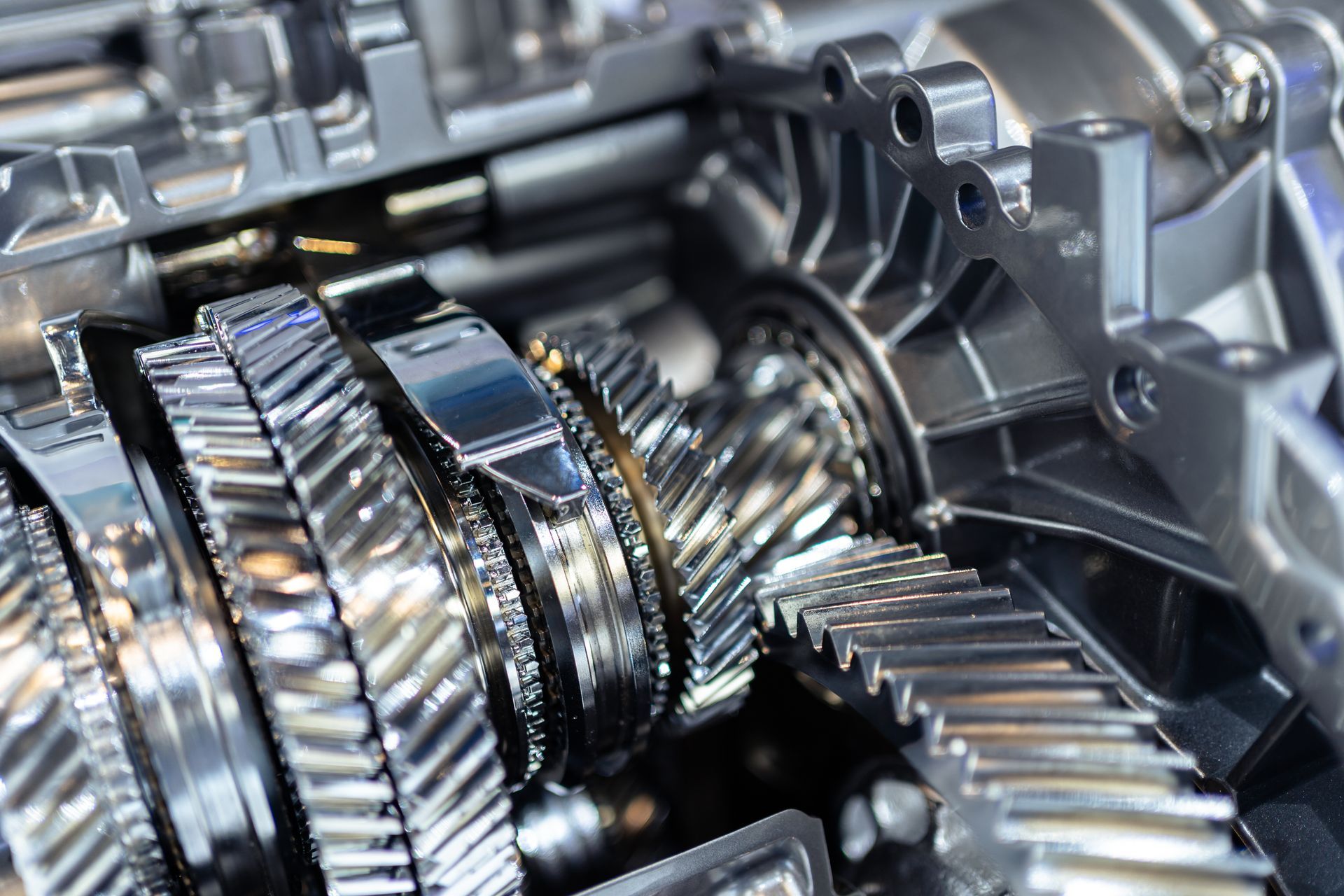
Your engine relies on a series of seals to keep oil contained at multiple points throughout the system. The rear main seal, located where the crankshaft exits the engine block, is one of the most critical, and unfortunately, one of the more expensive seals to replace when it fails. A leaking rear main seal often causes oil to drip from beneath the center or rear of the engine. Other seals, such as the front crankshaft seal or camshaft seals, can also wear out and allow oil to escape. These seals are made of rubber and are subjected to constant heat, pressure, and rotational forces, so deterioration over time is inevitable, particularly in higher-mileage vehicles. The tricky part with seal leaks is that they can be difficult to pinpoint without a thorough inspection, as the oil tends to migrate along engine surfaces before dripping to the ground.
The Oil Filter and Drain Plug
Sometimes the source of an oil leak is surprisingly simple. A loose or improperly installed oil filter is a frequent post-oil-change culprit. If the filter isn't tightened correctly or its gasket wasn't seated properly, oil will seep around the connection and drip steadily. Similarly, a stripped or loose drain plug, located at the bottom of the oil pan, can allow oil to escape even after a recent oil change. Always make sure oil changes are performed by a qualified technician who double-checks these components before completing the service.
Why Oil Leaks Should Never Be Ignored
Engine oil is what keeps your engine's metal components from grinding against each other. When oil levels drop due to a leak, friction increases dramatically inside the engine. Over time, this leads to accelerated wear on bearings, pistons, and other critical parts. In a worst-case scenario, severely low oil pressure can cause catastrophic engine failure, turning what started as a minor drip into a multi-thousand-dollar repair or complete engine replacement. Beyond engine damage, leaking oil that contacts hot exhaust components creates a real fire risk, and oil dripping onto brake components can compromise your stopping power and your safety.
How to Prevent Oil Leaks
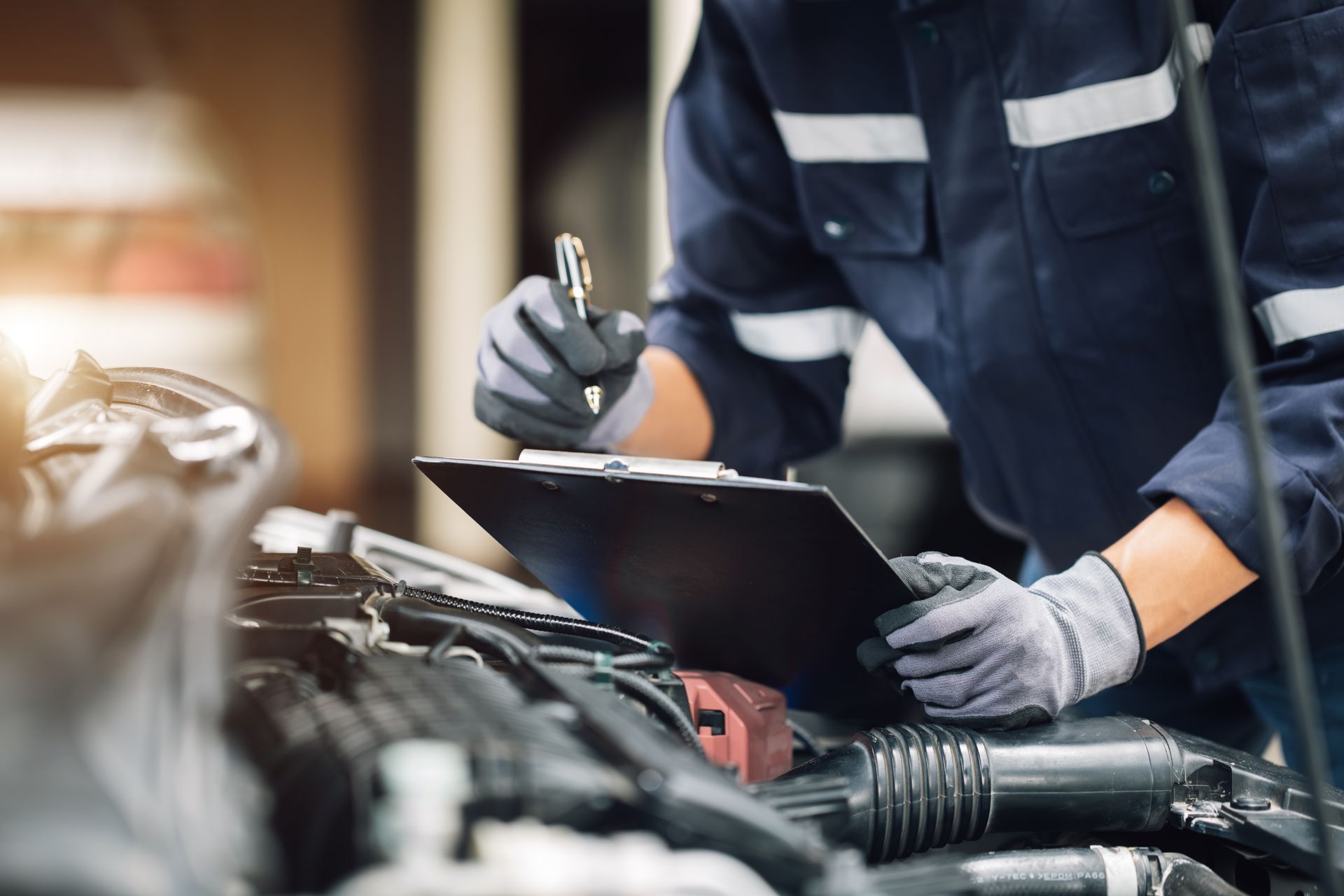
The best defense against oil leaks is consistent preventive maintenance. Keeping up with regular oil changes ensures your oil and filter are fresh and that any developing issues, like a deteriorating gasket or a loose drain plug, are caught early. Having your vehicle inspected by a professional at least once a year gives a technician the opportunity to spot worn seals and gaskets before they fail completely. Using the correct oil type and viscosity for your vehicle also matters, since the wrong oil can put additional strain on seals and gaskets over time.
If you've spotted an oil stain beneath your parked car, don't wait to get it checked out. The team at AMJ Auto Repair
in Stevensville and Grasonville, MD, has been diagnosing and repairing oil leaks since 1999. Our ASE-certified technicians use advanced diagnostic tools to pinpoint the exact source of your leak and get it fixed right the first time, backed by our 3-year/36,000-mile warranty. Call our Stevensville location at (410) 639-3541
or our Grasonville location at (410) 639-3536, or
book your appointment online. Don't let a small leak become a big problem, let us take care of your engine so you can get back on the road with confidence.