Signs of a Bad Car Battery vs Alternator
Your car won't start, the lights look dim, or something just feels off, but you're not sure whether to blame the battery or the alternator. You're not alone. These two components work so closely together that their symptoms often overlap, leaving drivers confused about what actually needs to be fixed. Understanding the signs of a bad car battery vs alternator can save you time, money, and the frustration of replacing the wrong part. Here's how to tell them apart.
How the Battery and Alternator Work Together
Before diving into the symptoms, it helps to understand the roles each component plays. The battery is responsible for delivering the burst of power needed to start your engine. Once the engine is running, the alternator takes over, generating electricity to power your vehicle's electrical systems and recharge the battery as you drive. When either one fails, the effects ripple across your entire vehicle, which is why the symptoms can look so similar at first glance.
Signs You Have a Weak or Failing Battery
A battery that's on its way out tends to show the most obvious symptoms when you're trying to start the car. The most common sign is a slow, labored crank when you turn the key or push the start button. If the engine groans and struggles before finally turning over, or doesn't start at all, a dying battery is usually the first suspect.
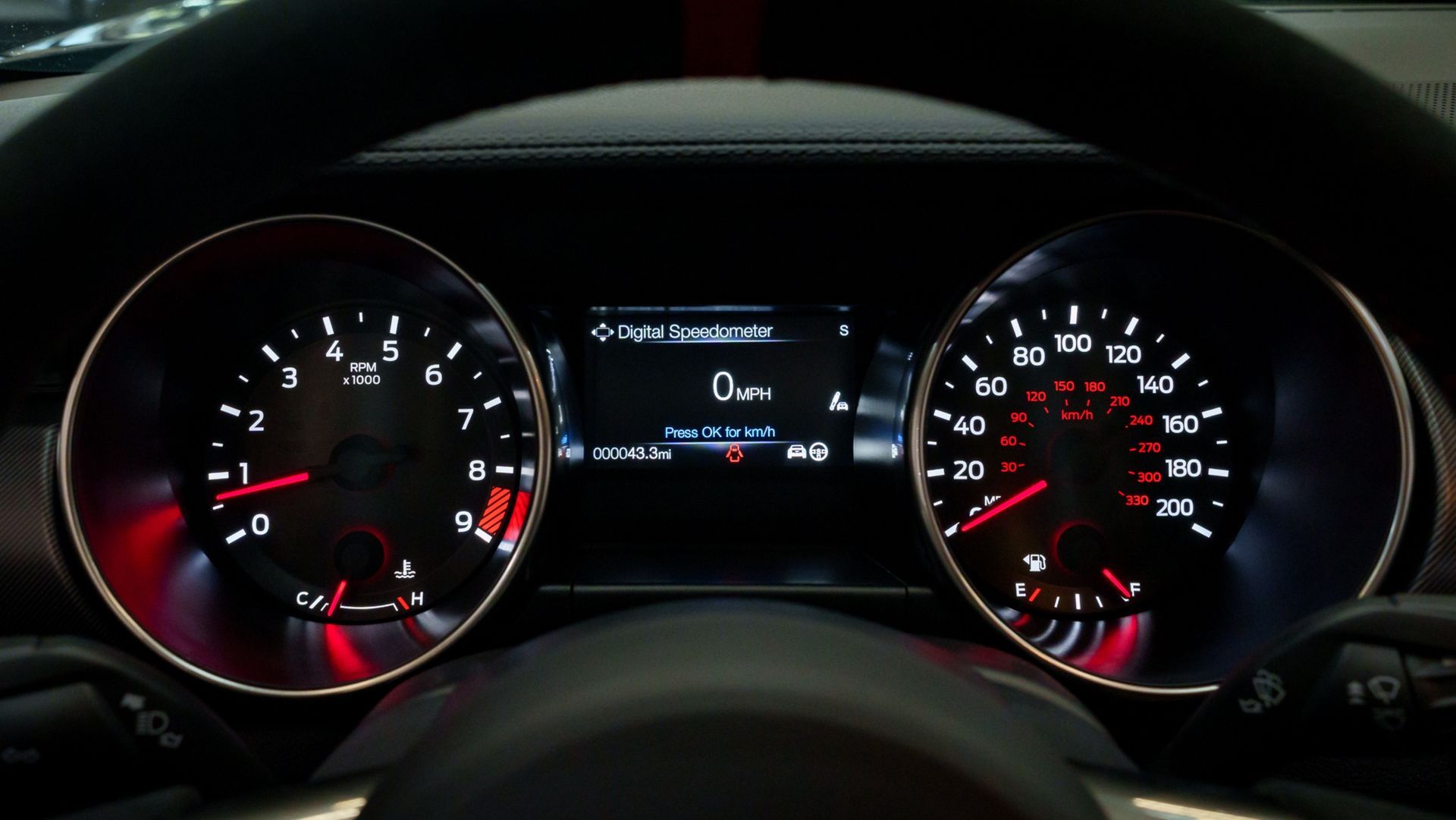
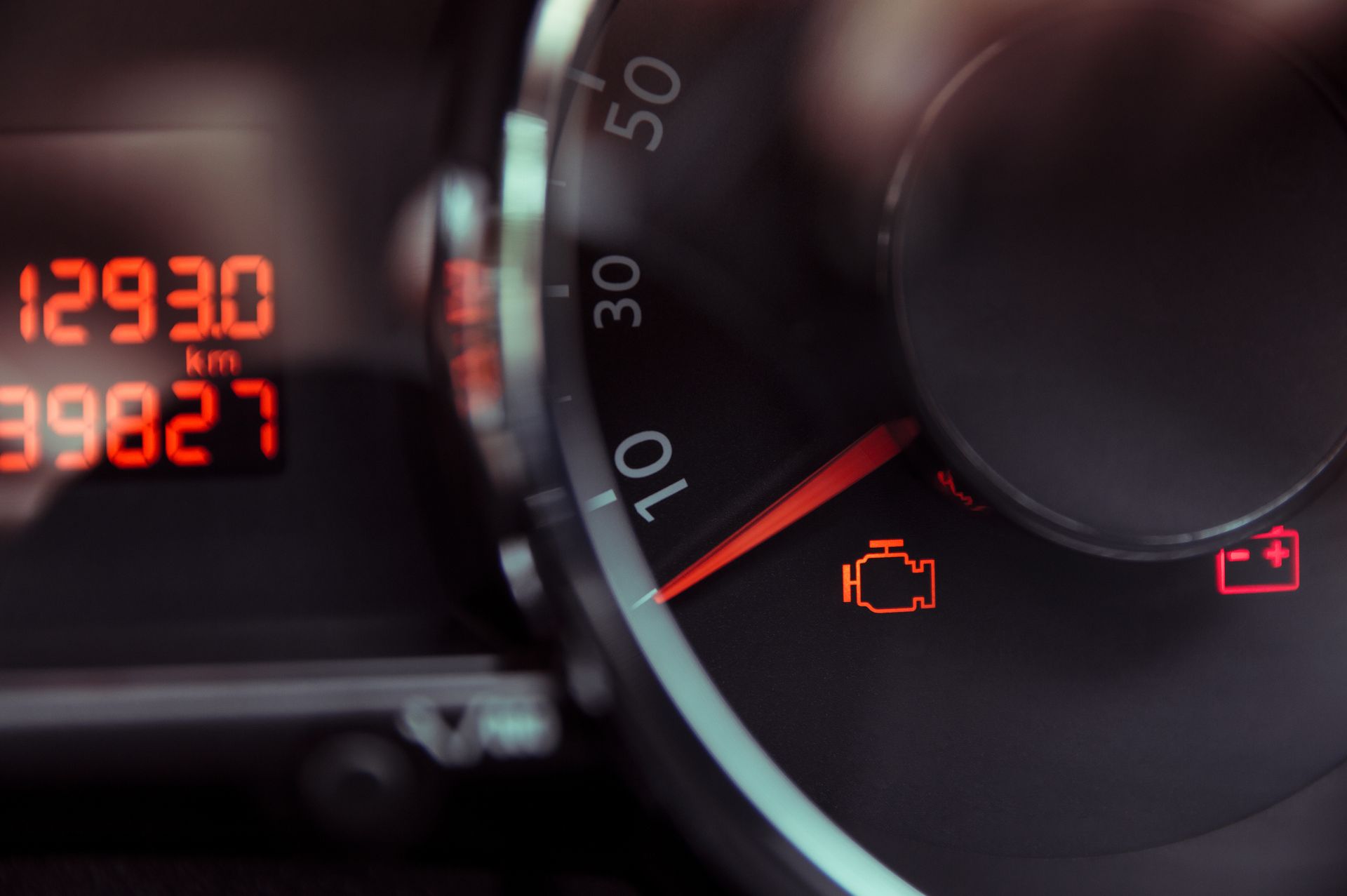
Another telltale sign is needing a jump-start repeatedly. If your car starts fine after a jump but dies again the next morning, the battery likely isn't holding a charge the way it should. Batteries typically last three to five years, so age is also worth factoring in. You may also notice the battery warning light illuminated on your dashboard, though this light can appear for alternator-related reasons too.
Corrosion on the battery terminals, that white or bluish powdery buildup around the cable connections, can also cause poor electrical contact and mimic a dead battery even when the battery itself still has some life left. Cleaning the terminals is a quick first step, but if the problem persists, the battery likely needs to be tested or replaced.
One useful way to narrow it down: if your car starts and runs normally with no electrical issues while driving, but struggles specifically when starting from a cold or fully rested state, the battery is more likely the culprit.
Signs You Have a Failing Alternator
A failing alternator tends to show up differently. Because the alternator keeps everything powered while the engine is running, its failure often causes problems that occur while you're driving, not just at startup.
Dimming or flickering headlights and interior lights are one of the clearest signs. When the alternator can't maintain a steady flow of power, your lights may brighten and dim in a noticeable rhythm, especially when the engine load changes. You might also notice accessories like the radio, power windows, or heated seats behaving erratically or becoming sluggish.
A growling or whining noise coming from under the hood can also point to alternator trouble. This sound is typically caused by worn bearings inside the alternator or a misaligned belt that drives it.
Perhaps the most telling sign is when your car starts fine but then dies while you're driving. Because the alternator is responsible for sustaining the battery charge during operation, a failing unit will slowly drain the battery even as the engine runs. Eventually, the battery runs out of reserve power and the car stalls. If this happens to you, it's worth noting whether warning lights appeared just before the shutdown, a lit battery light or a "charge system" warning are strong indicators of alternator failure.
How to Tell Them Apart: A Practical Approach
Here's a straightforward way to think about it: if your car won't start but runs fine once jumped and keeps running, battery. If your car starts, but electrical systems begin acting up while you drive and eventually the car dies, alternator.
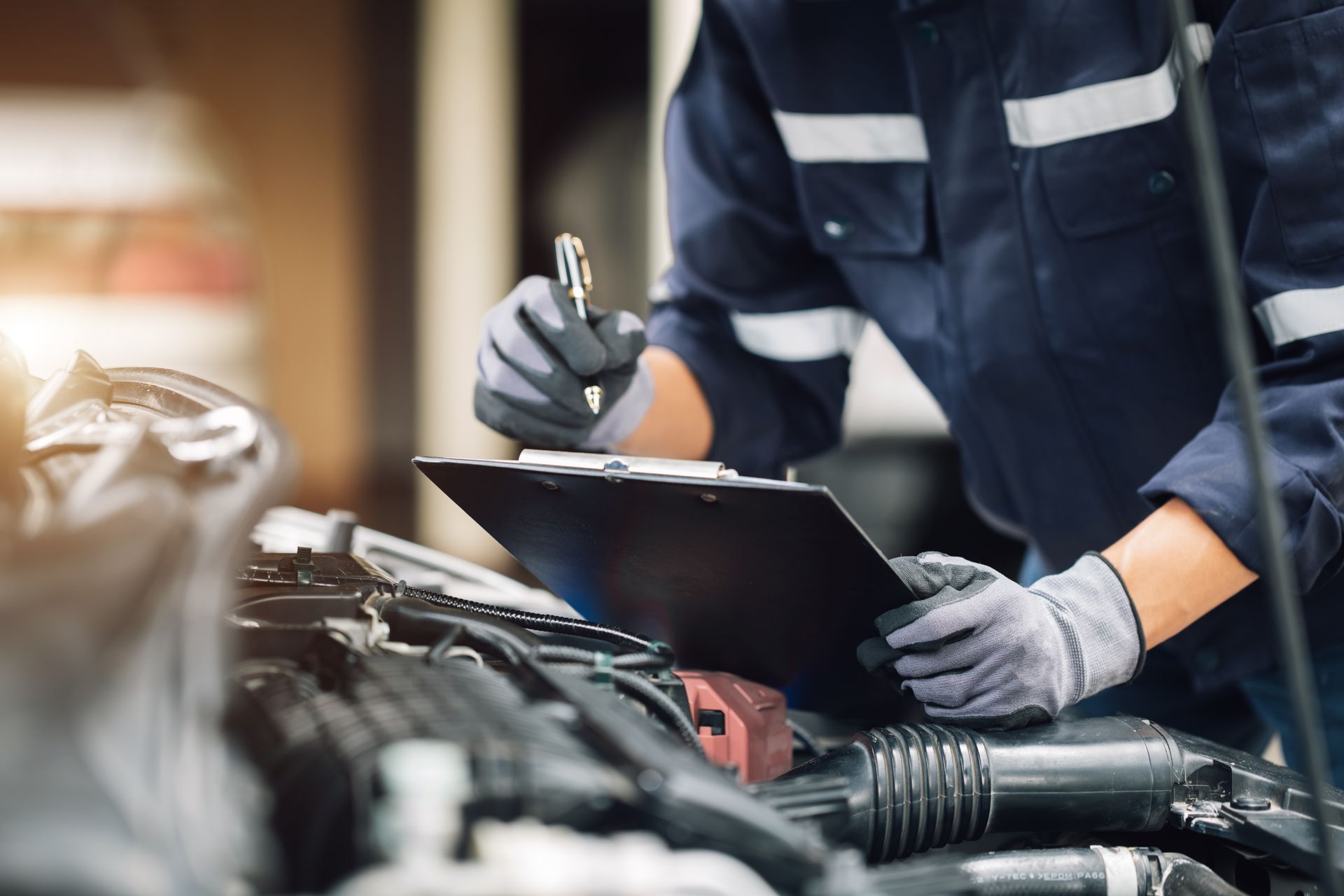
That said, these two components can and do fail together, especially when a bad alternator has been slowly draining the battery over time. Getting both tested at the same time is the smartest move, and it's something any qualified mechanic can do quickly with the right equipment.
Some drivers try the "jump and disconnect" test, jumping the car and then disconnecting the battery to see if it keeps running, but this method can actually damage modern vehicles' sensitive electronics and is best avoided. A proper electrical system test at a shop will give you accurate, safe results.
Don't Ignore the Warning Signs
Whether it's a weak battery or a struggling alternator, these are not problems that resolve themselves. A failing battery leaves you stranded. A bad alternator will eventually take the battery down with it, turning a simple repair into a more expensive double replacement. Catching the issue early is always the more cost-effective path.
If you're noticing any of these warning signs, slow starts, dim lights, flickering electronics, or unexpected stalls, it's time to have your charging system professionally inspected. The team
at AMJ Auto Repair
in Stevensville and Grasonville, MD, has the diagnostic tools and expertise to pinpoint the problem fast. Give us a call at our Stevensville location at (410) 639-3541
or our Grasonville location at(410) 639-3536, or book your appointment online today. We'll get you back on the road with confidence.