Top 8 Reasons Why Your Car Shakes When Driving
If your car starts shaking while driving, especially at higher speeds, it’s not something to ignore. Vibrations can range from mild steering wheel tremors to aggressive shaking felt throughout the vehicle. While some causes are minor, others can point to serious safety concerns.
Understanding why your vehicle shakes while driving can help you address the issue early, prevent further damage, and ensure your safety on the road. Below are the top eight reasons your car may shake when driving.
1. Unbalanced Tires
One of the most common causes of shaking at highway speeds is unbalanced tires. When tire weight is unevenly distributed, it causes vibration that typically increases as speed rises.
You may notice:
- Steering wheel shaking at 50–70 mph
- Vibration that worsens with speed
- Uneven tire wear
A simple tire balancing service can usually resolve this issue quickly.
2. Wheel Alignment Problems
If your wheels are out of alignment, your tires may pull in different directions, causing instability and vibration. Misalignment can occur from hitting potholes, curbs, or road debris.
Common signs include:
- Vehicle pulling to one side
- Uneven tire wear
- Steering wheel off-center
Proper alignment restores smooth handling and protects your tires from premature wear.
3. Worn or Damaged Tires
Tires with uneven tread wear, flat spots, or internal damage can cause shaking while driving. If the vibration feels rhythmic, your tires may be the source.
Driving on worn tires also reduces traction and braking performance, making this a safety concern.
4. Warped Brake Rotors
If your car shakes primarily when braking, warped brake rotors may be the culprit. Heat and wear can cause rotors to become uneven, resulting in vibration through the steering wheel or brake pedal.
Brake system inspections can confirm whether resurfacing or rotor replacement is necessary.
5. Suspension or Steering Component Wear
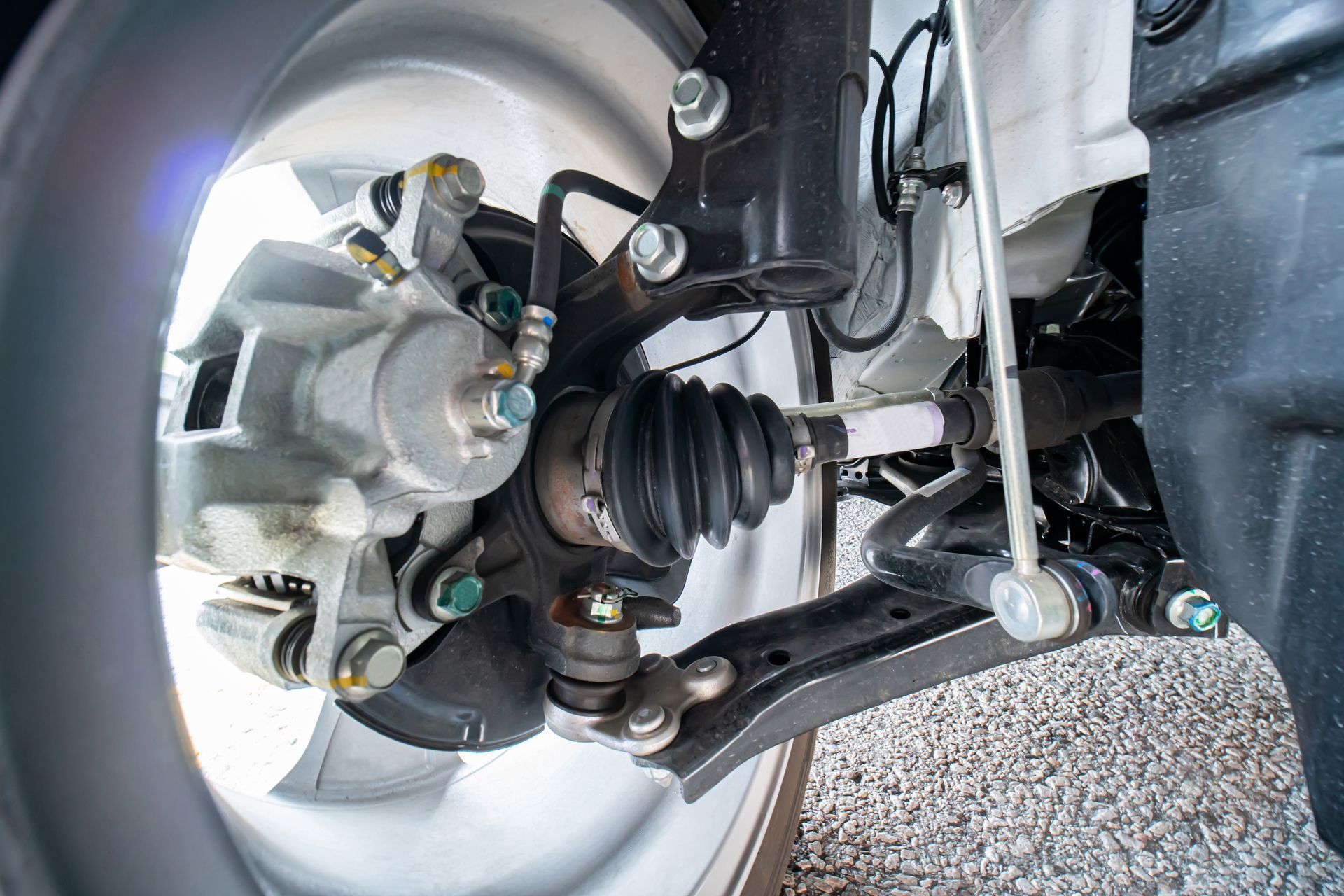
Your suspension system is designed to absorb road imperfections. Worn shocks, struts, ball joints, or tie rods can cause instability and shaking, especially over bumps or rough roads.
Ignoring suspension issues can lead to reduced control and uneven tire wear.
6. Bent Wheel or Rim Damage
Hitting a pothole or curb can bend a wheel rim. Even slight damage can cause noticeable vibration at certain speeds.
If balancing does not resolve shaking, a damaged wheel may need repair or replacement.
7. Axle or Driveshaft Problems
If you experience shaking during acceleration, a bent axle or worn driveshaft component may be to blame. These parts transfer power from the engine to the wheels, and damage can cause vibration that worsens under load.
This issue should be diagnosed promptly to prevent further drivetrain damage.
8. Engine or Transmission Mount Issues
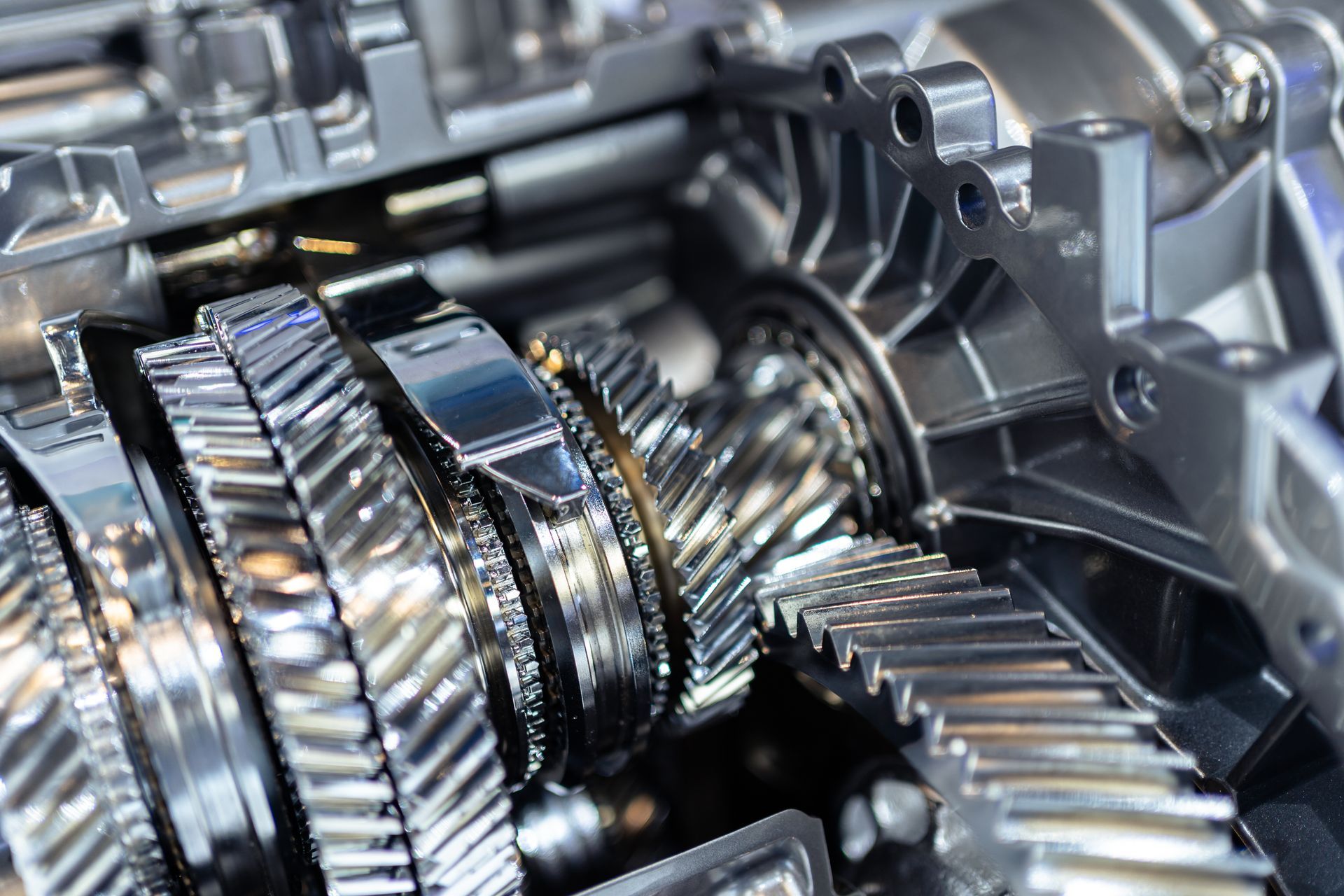
Motor and transmission mounts secure these components in place and reduce vibration. If mounts are worn or broken, you may feel shaking during acceleration or while driving at certain speeds.
Replacing worn mounts restores stability and prevents additional strain on surrounding parts.
Don’t Ignore Vehicle Vibrations
Shaking while driving is more than an inconvenience, it can be a warning sign of worn tires, braking issues, suspension damage, or drivetrain problems. Addressing the issue early helps protect your vehicle and ensures a safer driving experience.
If your car shakes while driving, let the experienced technicians at AMJ Auto Repair perform a thorough inspection. We use advanced diagnostic tools to pinpoint the cause and provide honest, reliable repair solutions.
Don’t wait until the problem gets worse, schedule an appointment with AMJ Auto Repair today and get back to driving with confidence.